All Roads Lead to Total Return
Sometimes when discussing ways an investment strategy might reduce expected returns, the response is something like:
⠀
“I don’t need to die with $2 million.”
⠀
Or, as someone commented on our latest episode of Financial KarMoe:
⠀
“People insist on paying lower fees but they’re still slaves to their 9-to-5 😂.”
⠀
I get the joke, but I think that kind of framing takes the argument to an unnecessary extreme.
⠀
Trying to improve expected returns doesn’t necessarily mean someone is obsessed with maximizing their portfolio balance. It could mean paying lower fees, reducing unnecessary taxes, avoiding uncompensated risks, giving up less upside, or simply choosing what they believe is a more efficient way to accomplish the same goal.
⠀
And this still matters for someone who says:
⠀
“I don’t care about growth. I live off the distributions.”
⠀
The reason all roads eventually lead back to total return is that total return is ultimately what supports those distributions.
⠀
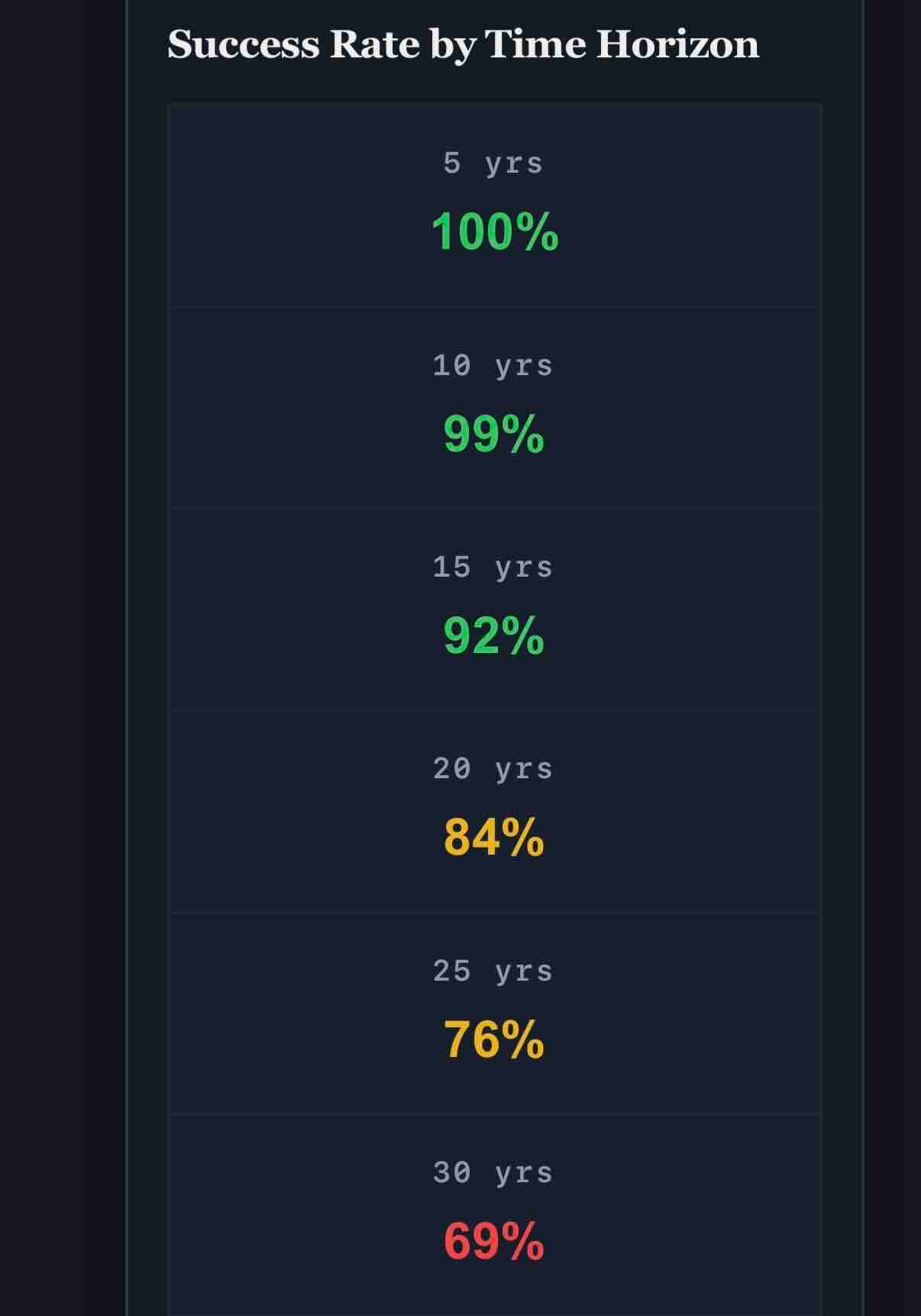
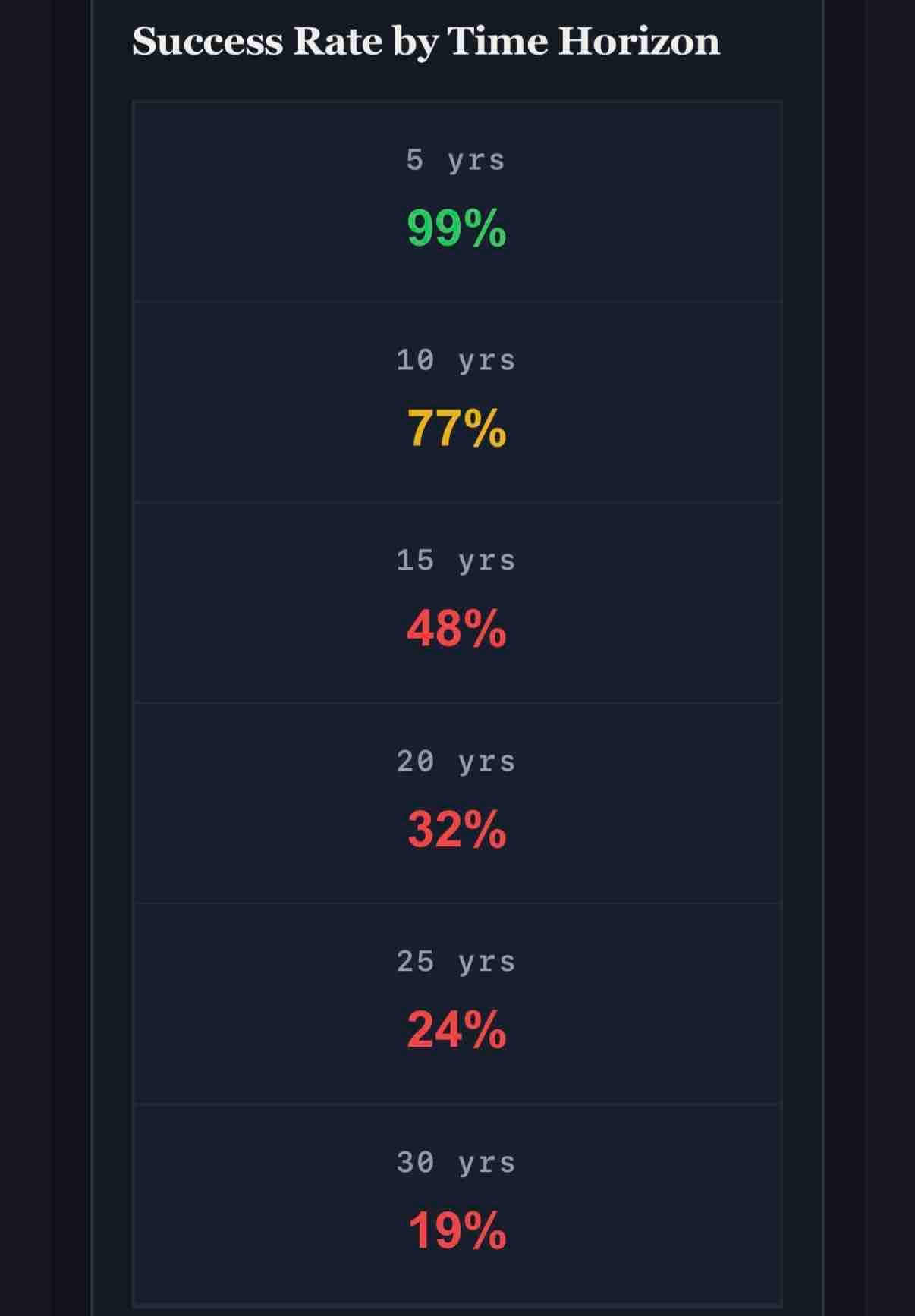
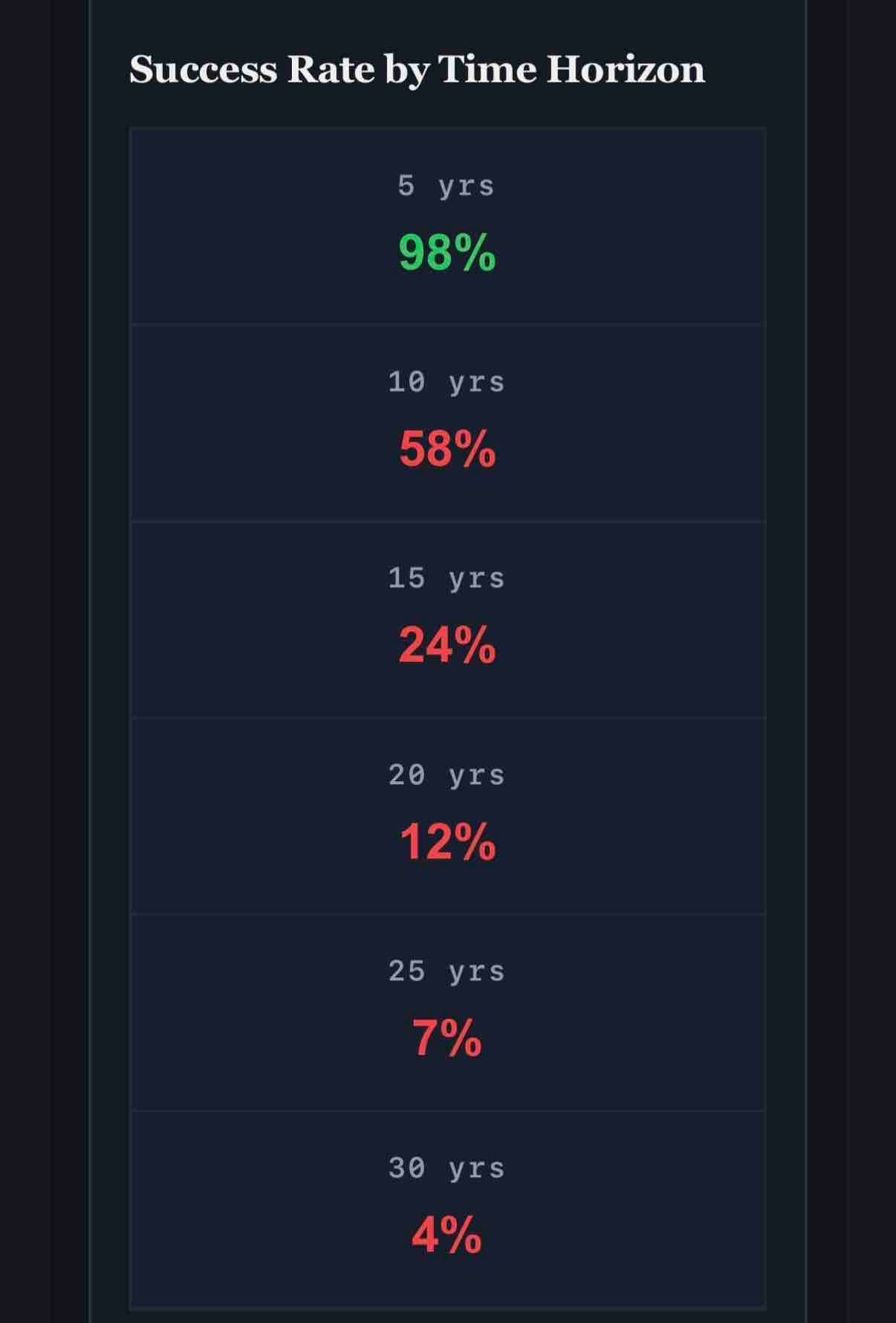
If two portfolios both distribute 10% per year, but one generates a 10% total return over time while the other generates 6%, those distributions are not economically equivalent. The difference eventually has to show up somewhere, usually in the amount of capital remaining.
⠀
That doesn’t mean everyone needs to maximize returns at all costs. Risk matters. Behaviour matters. Convenience matters. People can knowingly accept lower expected returns in exchange for something else they value.
⠀
And some of you will say you don’t believe that trade-off is necessary at all. Maybe you believe you can select stocks, funds, or strategies that produce higher returns and lower volatility. That’s a different discussion about whether those superior outcomes can actually be identified in advance and repeated.
⠀
But it doesn’t change the point here.
⠀
“I don’t need $2 million” or “I live off the distributions” doesn’t make returns irrelevant.
⠀
More return doesn’t only mean a bigger number on your screen.
⠀
It can mean more sustainable spending, a larger margin for error, less capital depletion, an earlier retirement, more money left to family, or simply needing less capital to fund the exact same lifestyle.
⠀
The goal isn’t always to have more.
⠀
Sometimes better returns simply make the goal you already have easier to achieve.