I Thought I Was Too Late to Start Investing
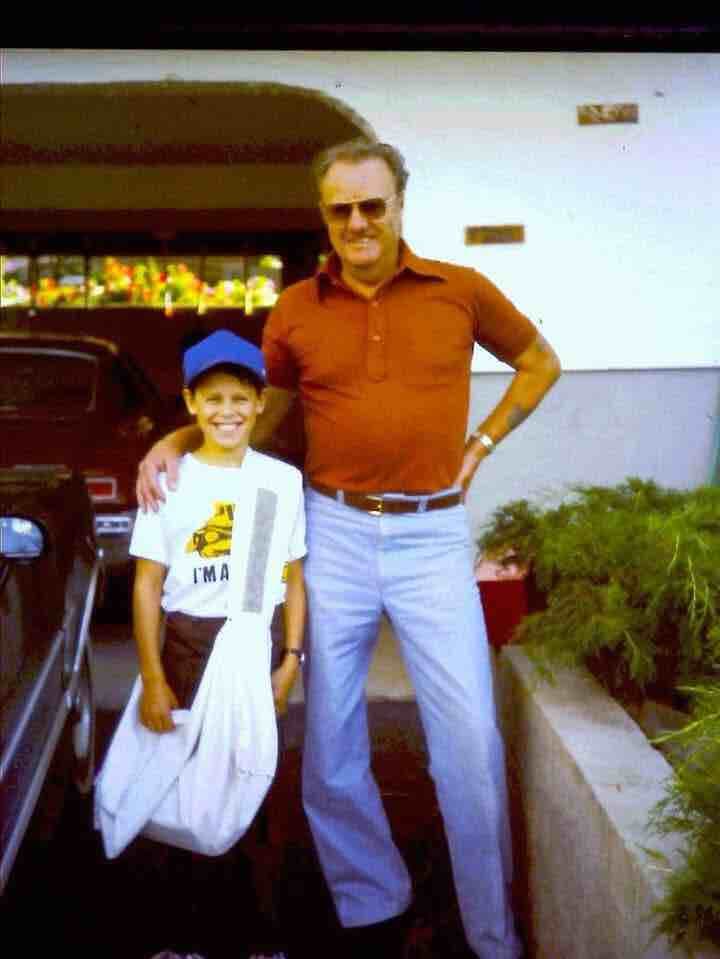
I was born in 1973… and my first experience with money was a bank book.
You didn’t tap a screen. You didn’t check an app.
You physically walked into the bank, handed over your cash, and watched someone update your balance.
And growing up, I was taught something very simple:
👉 Put your money in a savings account… and that’s how you build wealth.
For a long time, I believed that.
I wasn’t the kid who excelled in school. I struggled to find direction early on, but eventually found my path through a diploma program and started my first career.
And like a lot of people in their 20s…
I didn’t understand money at all.
I made decisions based on how things made me feel — not what they meant long term. I bought things I didn’t need. I remember buying something brand new on a whim, when a used option would have made far more sense. But at that age, new felt like success.
Looking back now… I see it differently.
It took years before I had stable, full-time work. No pension. Very little savings. And honestly, no real plan.
Over time, life started to take shape.
I got into real estate. Started with a condo, eventually moved into a townhouse, and later a home with my wife. Real estate became one of the biggest drivers of the equity we built — not because I had a grand plan, but because I followed the traditional path most of us were shown.
I didn’t drive fancy cars. Most of what we owned was used.
We tried to live within our means — something my wife has always been better at than me.
And when I transitioned into a new career later in life, I finally had something I thought would take care of everything:
A pension.
I truly believed that would be enough.
So I didn’t focus on investing.
I had small RRSPs here and there, but I let other people manage them. I didn’t understand what I owned. I didn’t ask questions. I assumed that’s just what you do — give your money to someone else and hope it works out.
At one point, about $50,000 was invested on my behalf.
Much of it disappeared in 2008.
Today, a portion of that still sits in my RRSP… essentially worthless.
And even then… I didn’t change.
We used our TFSA like a savings account.
At one point, we had a large amount of cash sitting for years earning around 1–2%, because I didn’t know any better.
That part still stings a bit.
Everything changed about seven years ago.
My father-in-law, who had been managing my wife’s investments, passed away. And for the first time, I had to really look at everything.
What do we have?
What is it invested in?
What should we do next?
I didn’t have the answers.
And I remember thinking:
👉 “I’m 50… I think I might be too late.”
That moment forced me to start learning.
And over the past few years, I’ve done exactly that.
Books. Podcasts. YouTube. Conversations. Trial and error.
I started to understand how accounts actually work.
What a TFSA is really for.
How RRSPs fit into a plan.
How taxes play a role.
Why consistency matters more than timing.
We started with about $200,000.
Today, we’re sitting around $460,000.
But the bigger shift wasn’t the portfolio.
It was me.
I stopped outsourcing my understanding.
I stopped guessing.
I stopped assuming it was too late.
And somewhere along the way, I decided to share the journey.
Not because I had it all figured out…
…but because I didn’t.
What I’ve realized is there are a lot of Canadians just like me — people in their 40s, 50s, even 60s — who feel behind, unsure, or overwhelmed.
And the truth is…
You’re not alone.
I’m still learning.
I still make mistakes.
I still ask questions.
But I show up. I invest consistently. And I keep moving forward.
If you’re reading this and feel like you’re starting late…
So did I.
And I’m still building.