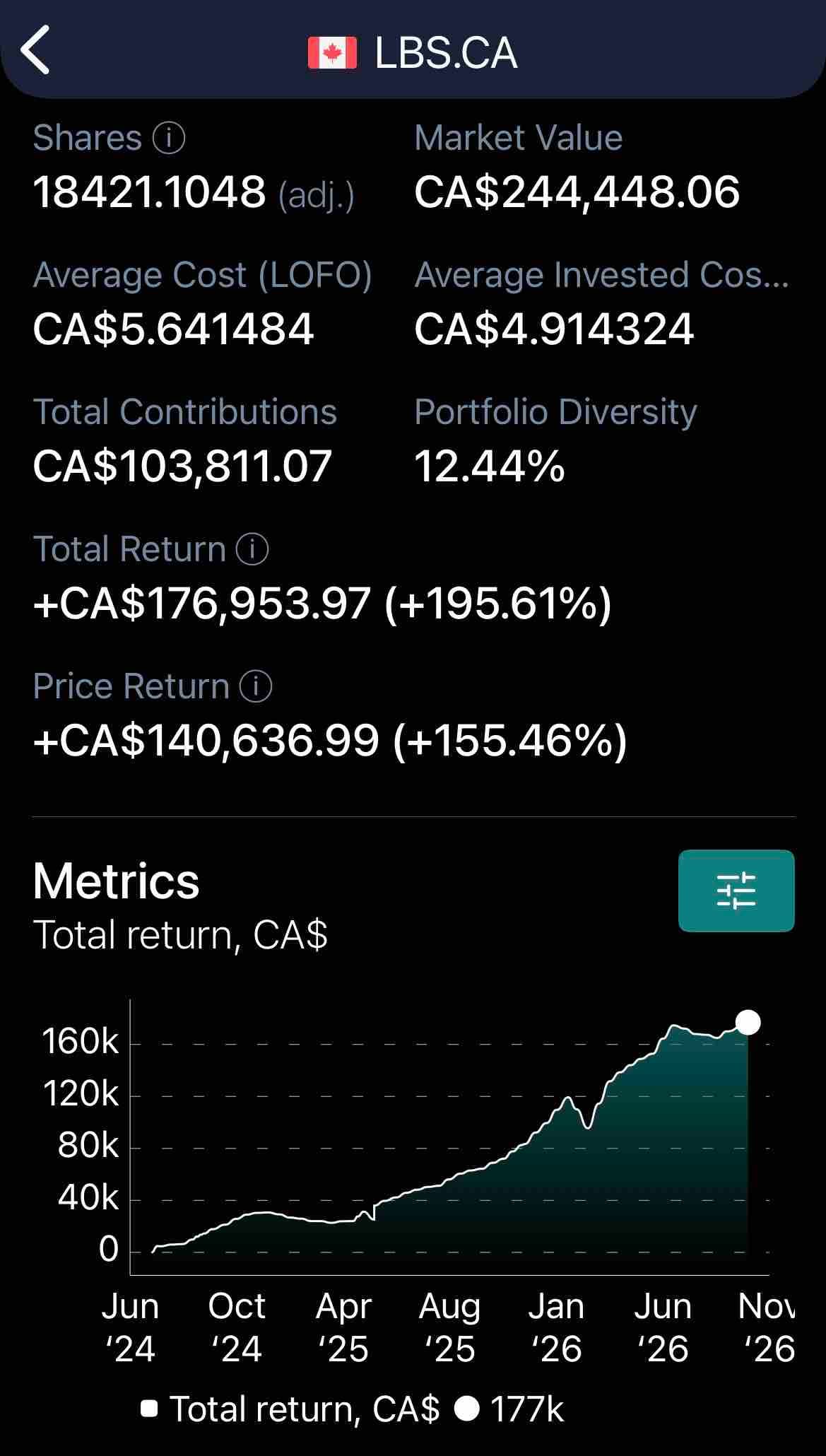
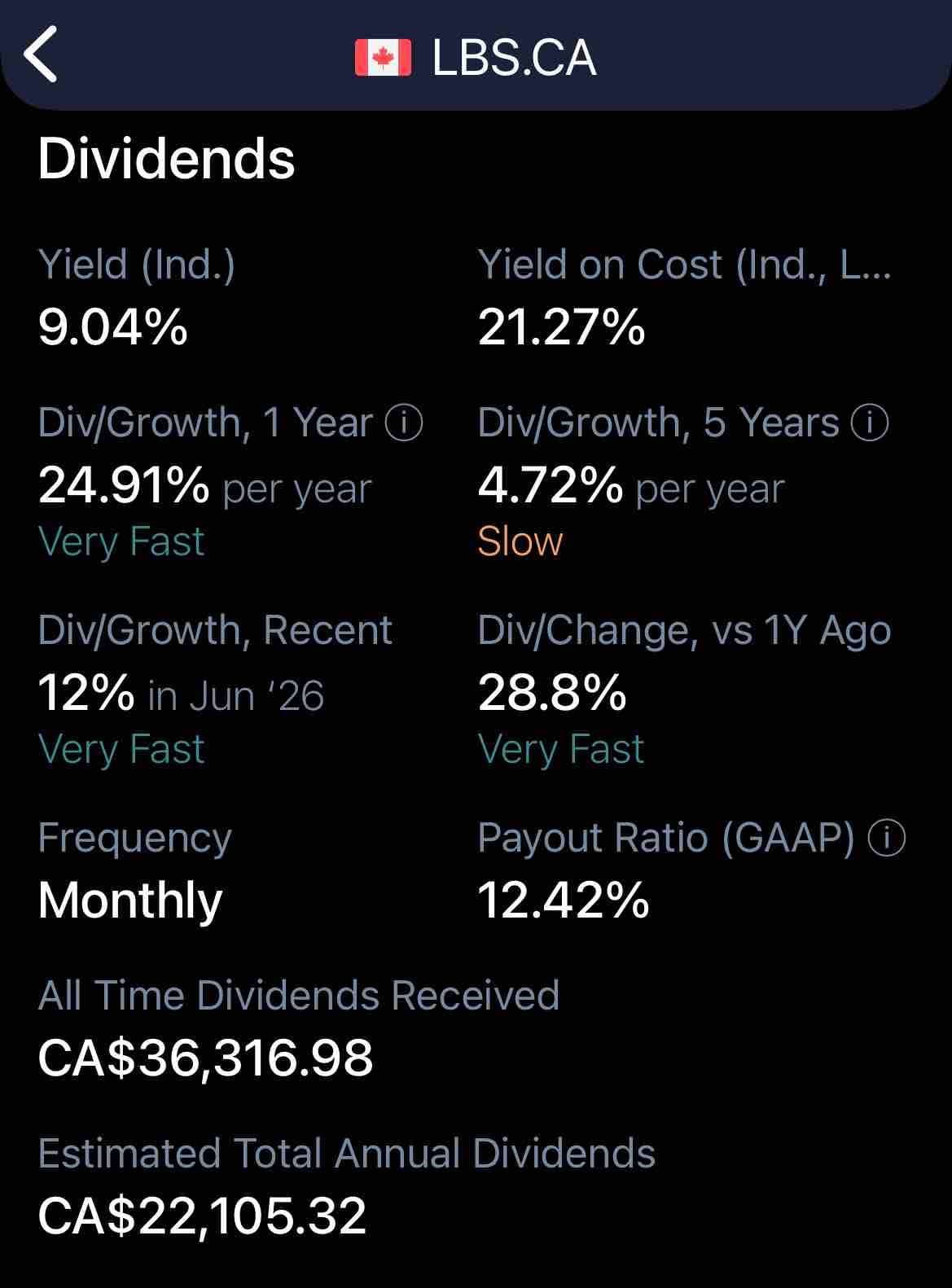
It’s hard to believe that this will be Brompton’s 4th split in a matter of 14 months. My accumulated shares and increase in distributions will be approx 58.7% or a YOC of 21% by just holding the asset. This will be a 12% share increase or 12 shares for every 100 (28/25) owned for Class A share holders. The split will be at the end of regular trading session on Nov 11th 2026. The NAV will be adjusted to the additional shares and trade the following day on Nov 12th 2026. I pinned the announcement to this post as well as my position below! Congratulations to all $LBS holders for a 4th time 👏👏👏🎉🚀 https://ca.finance.yahoo.com/news/life-banc-split-corp-announces-210900131.htmlread more
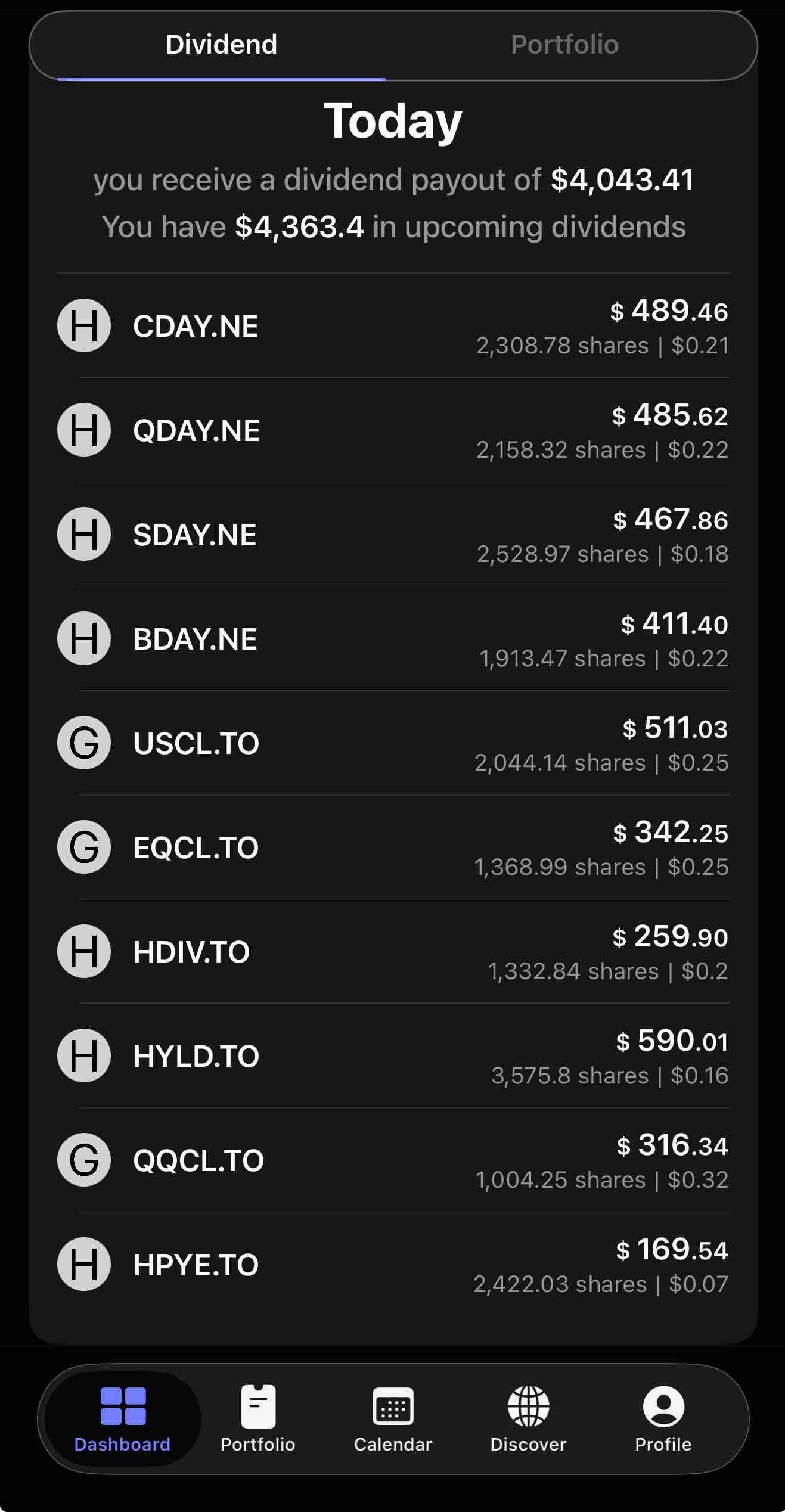
No need to sell shares, no need to time the market — just let your investments generate cash flow. 🔥 The beauty of dividends: * 💵 Passive income that keeps coming. * 📆 Monthly or biweekly paychecks. * ♻️ Reinvest dividends to buy more shares and compound your wealth. * 📈 Build multiple income streams over time. * 🔓 Eventually, create financial freedom with money working for you. The real magic? Your portfolio can keep growing while it pays you along the way. Don’t just work for your money. Build a portfolio that works for you! Who’s building their dividend income? Let’s grow together! 🚀💰 $HDIV$HYLD$HPYE$PAYG$EQCL$USCL$QQCLread more
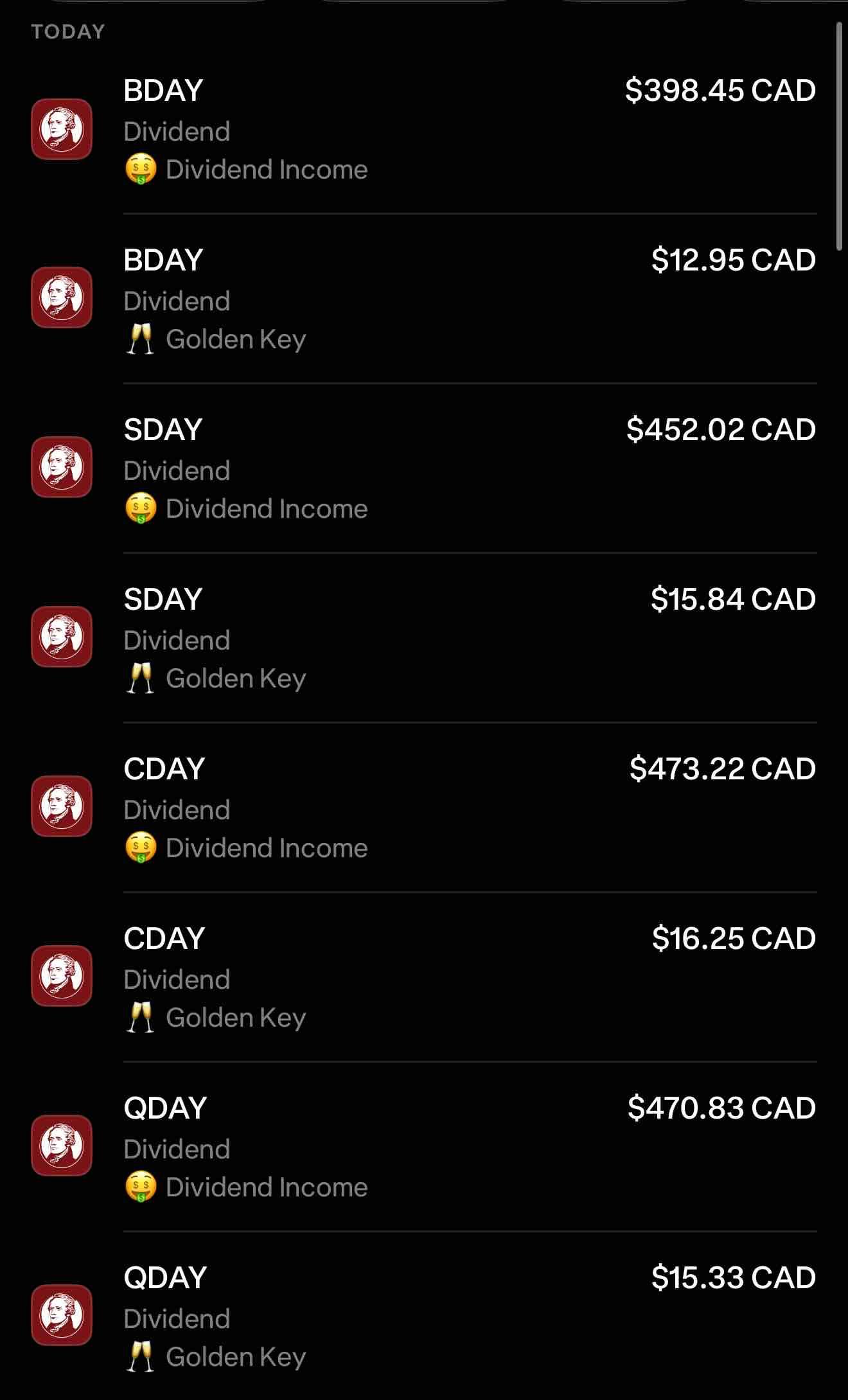
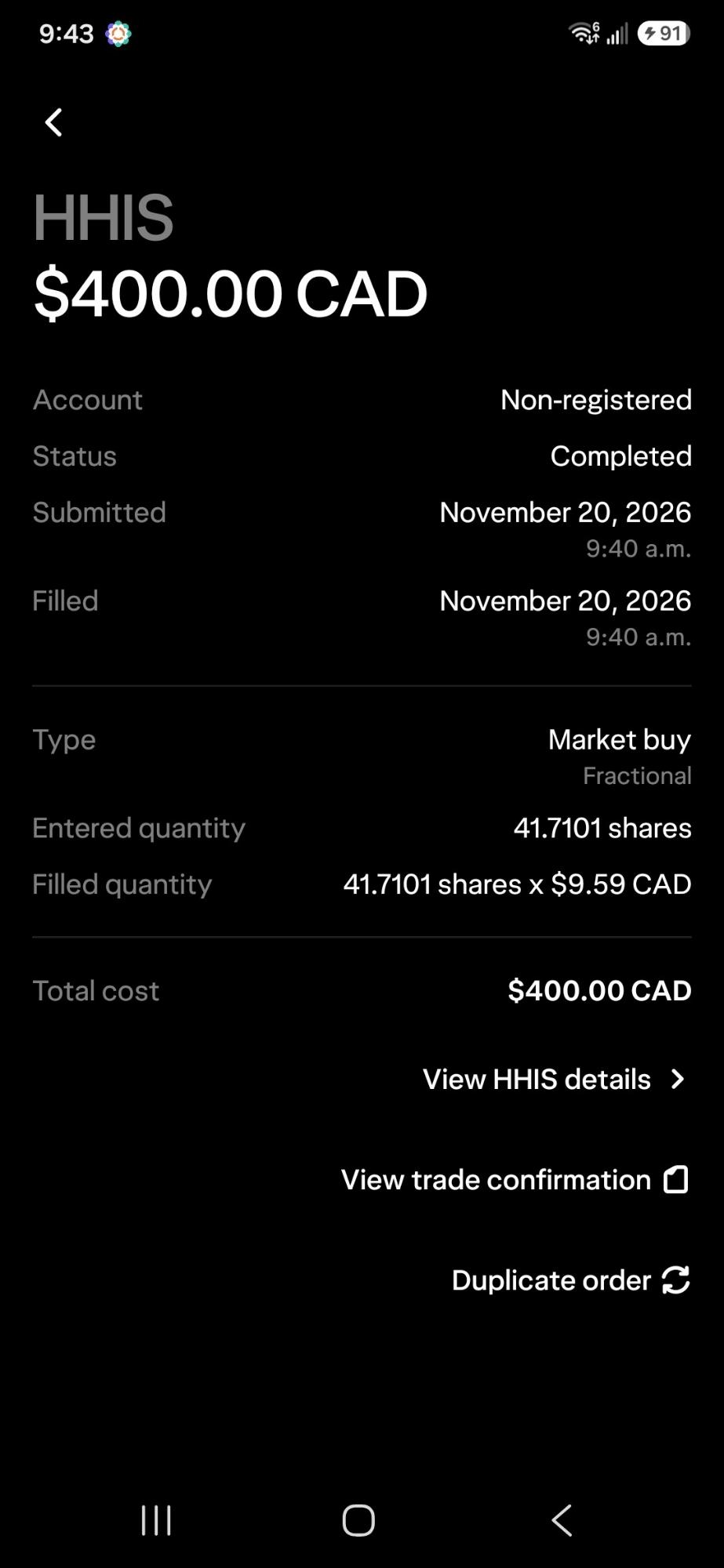
That's $2,000 of fresh capital put back to work without needing to sell anything. And I like the consistency of this approach: - Collect: Let the distributions arrive. - Reinvest: Put the money back to work. - Compound: Generate future distributions on a larger capital base. - Repeat: Stay focused on the long game. Business as usual. While the market creates noise, your income portfolio keeps doing its job. 💰 The goal isn't to predict every market move. It's to keep building the machine.read more
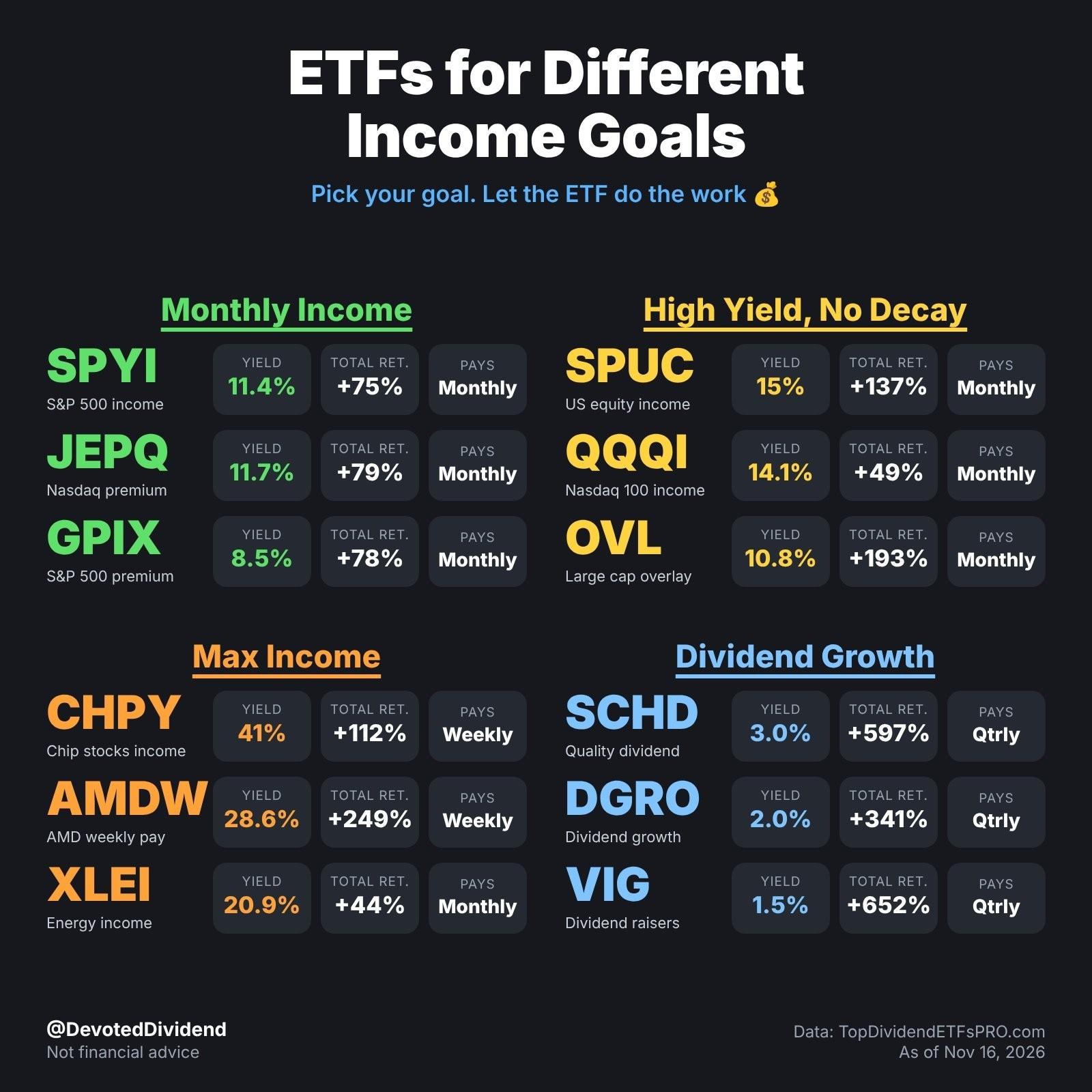
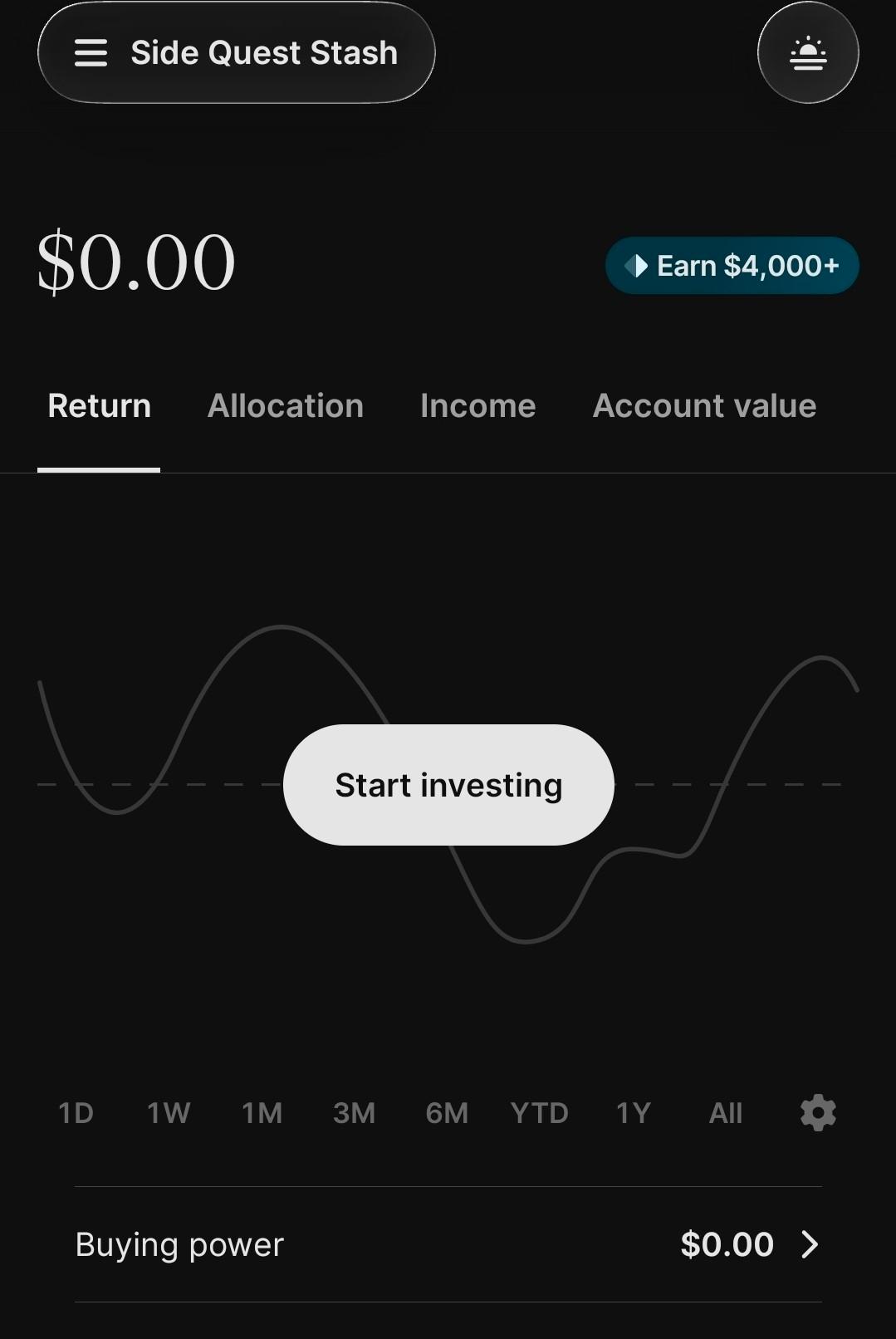
A person I follow on X posted this today and it made me think; how crazy would it be to open a portfolio and just dump $50 a week on all 12 ETFs at a specific proportion and see where we are a year later. Well that's what I'll be doing starting tomorrow. I already opened a second portfolio on my Public brokerage account called "Side Quest Stash" apart from my primary one "The Main Campaign". The exact allocations are as follow: High Yield Cores $QQQI - 20% $SPUC - 15% $SPYI - 10% $JEPQ - 6% $OVL - 2% $GPIX - 2% Weekly Boosters $CHPY - 15% $XLEI - 10% $AMDW - 6% Dividend Growth Anchors $SCHD - 10% $DGRO - 2% $VIG - 2% I'll be updating weekly to see how good (or bad) the account will perform. 🫣 Wish me luck on this crazy experiment. 😂 read more
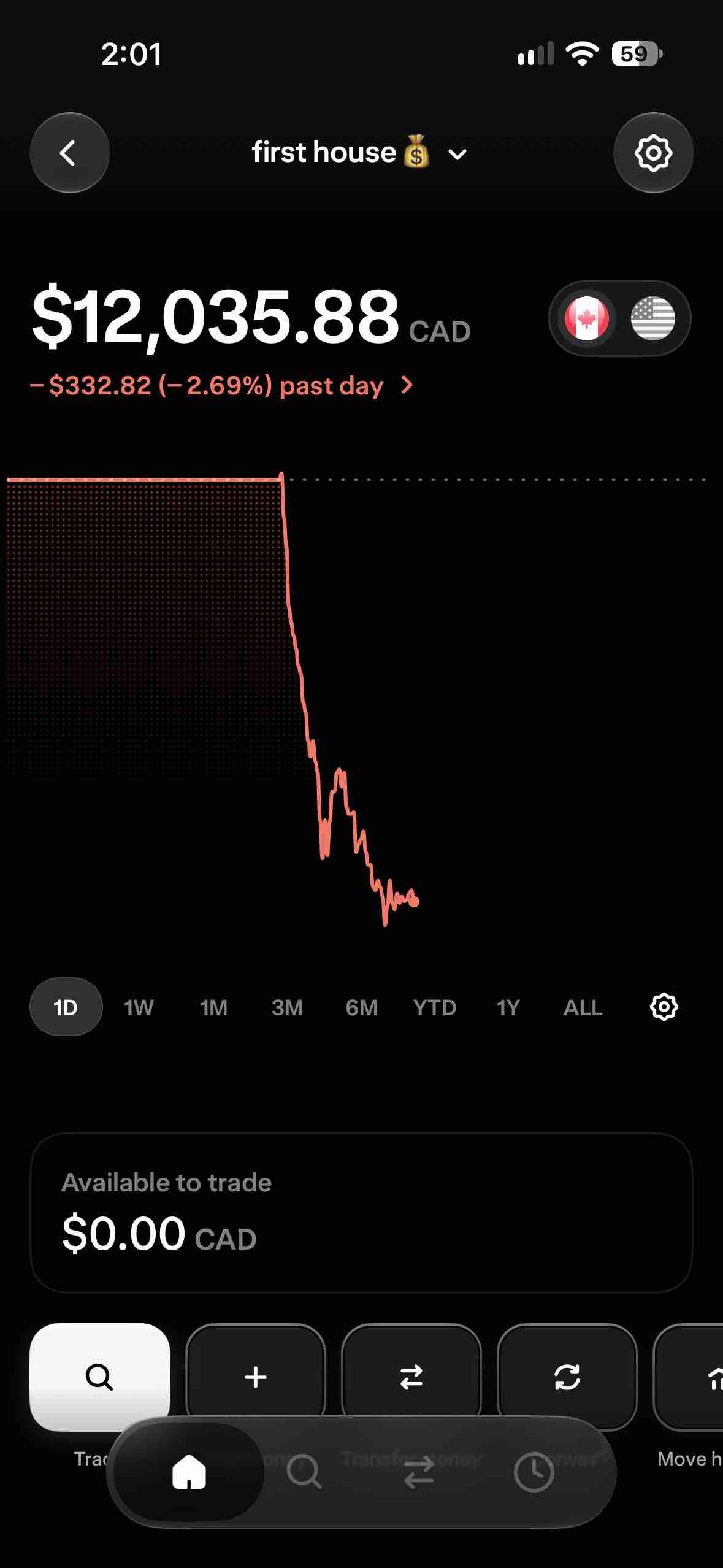
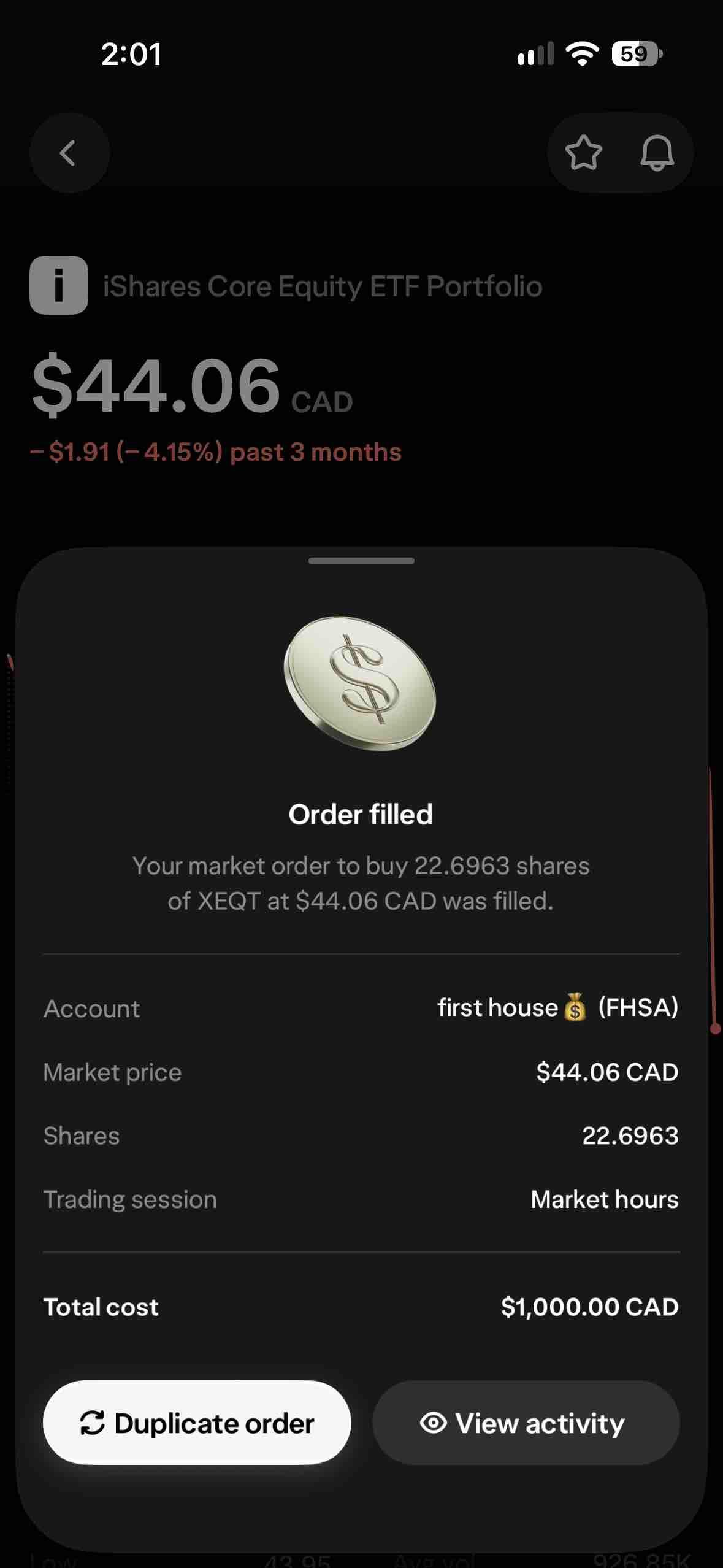
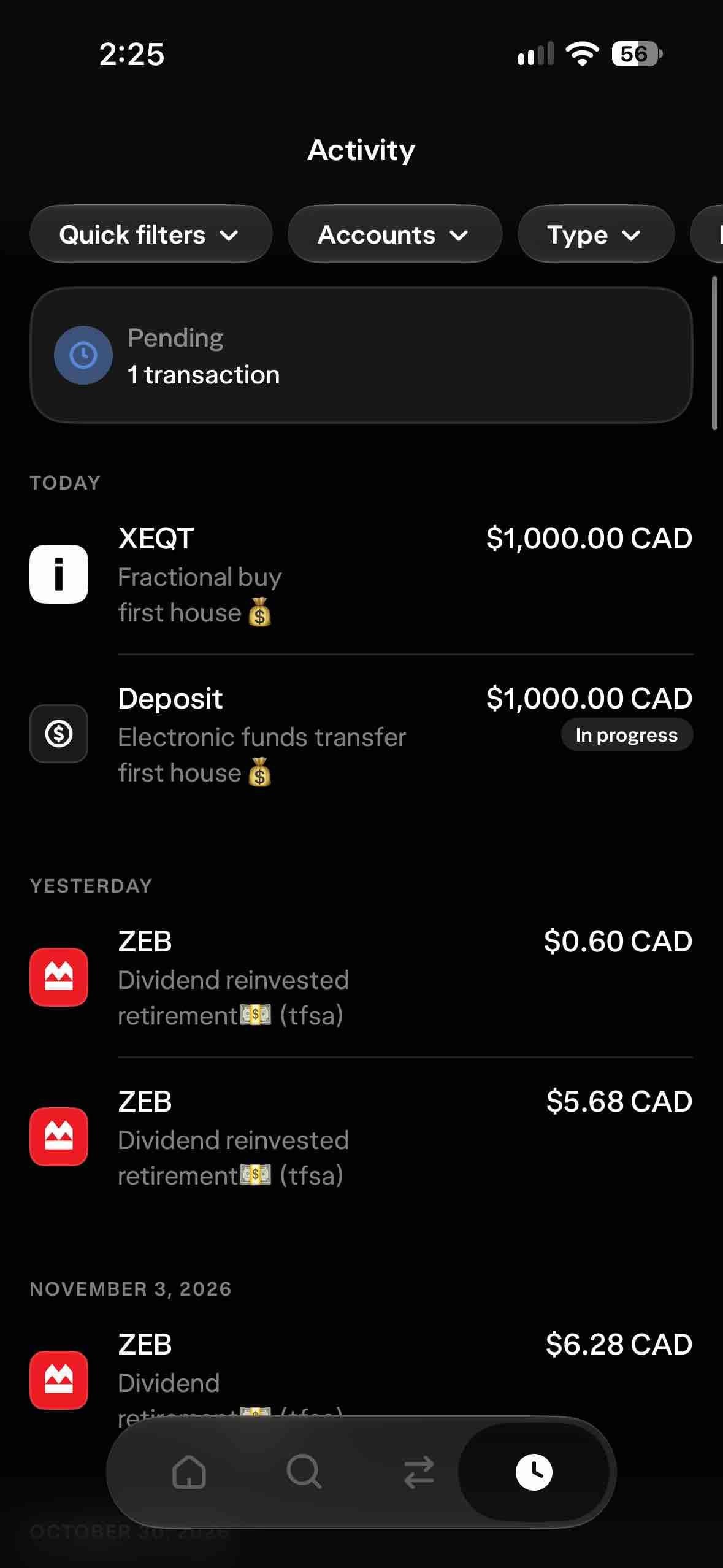
yesterday was a great day to buy… and did i ever buy!!! yesterday we bought $1000 of $XEQT in my FHSA. LETS GO. this is why it’s so important to be good with your money while being full time in university so you can have 1000 dollar investing days! i’m so happy i was able to do this yesterday and it felt so good!!! let’s keep buying !!!!!! cheers everyone!!!
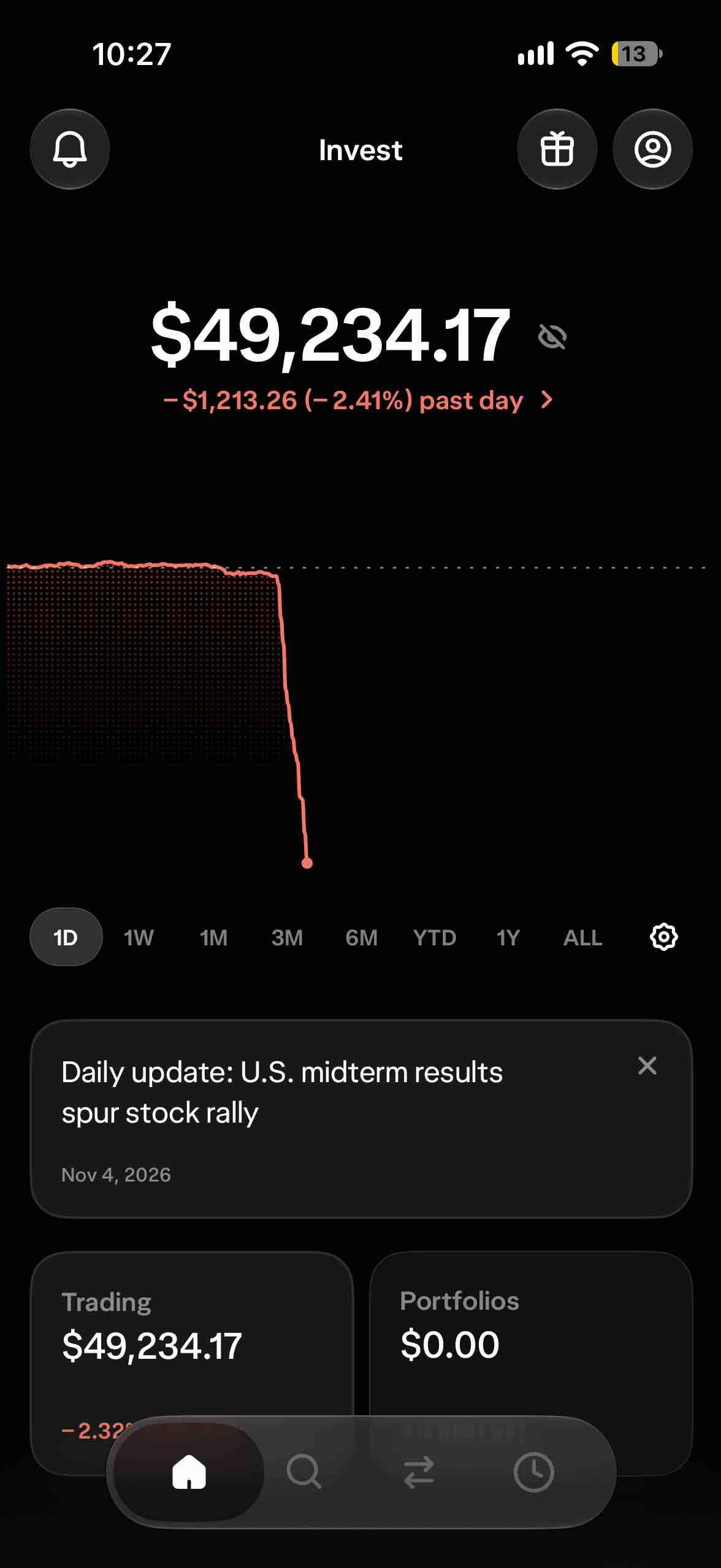
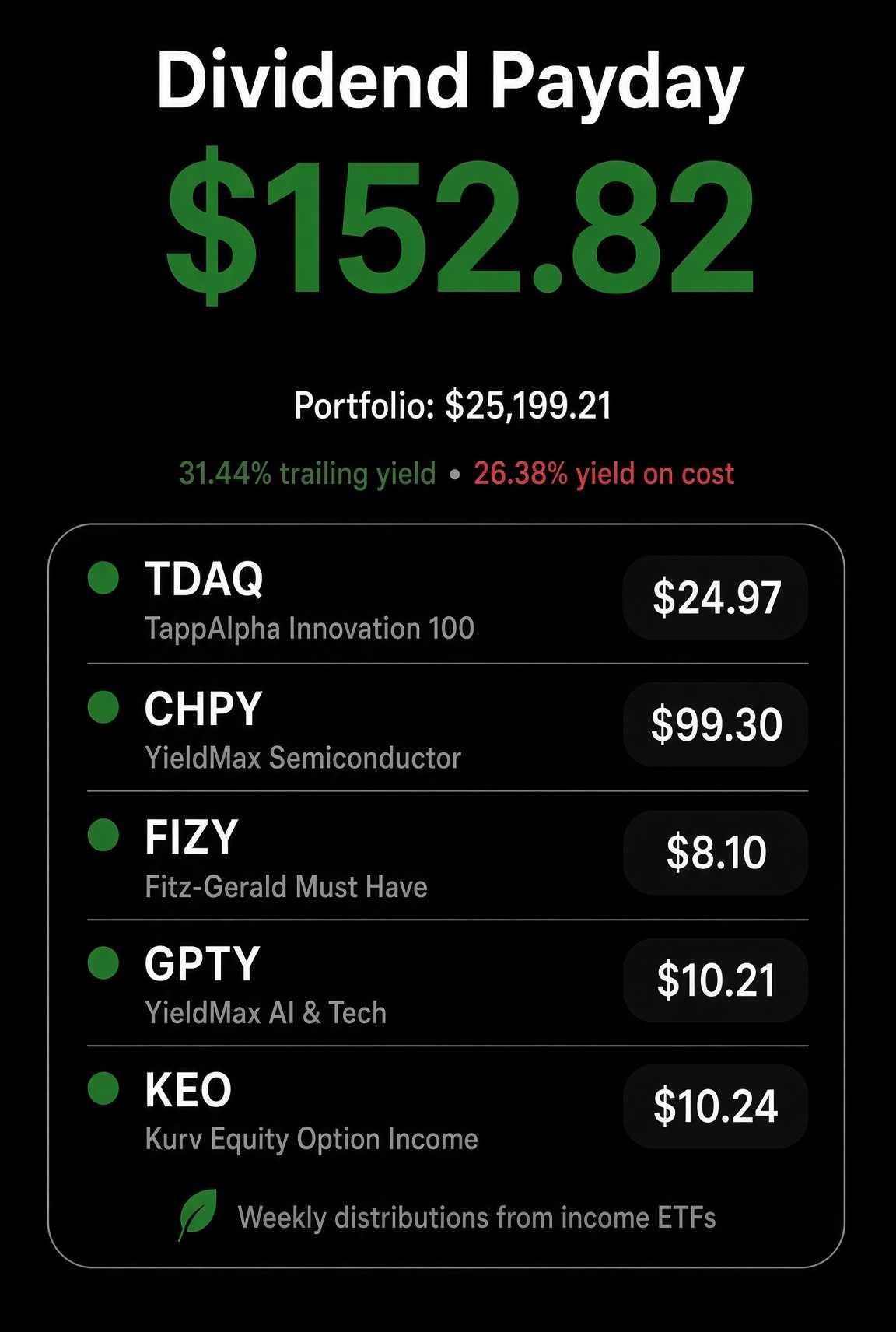
With the down market, the payments keep coming in. My portfolio has fallen significantly over the past several months. Earlier this month, I put in about $16,500 into my portfolio. Yet, the market is still going down. This is the best sell off I've seen since 2022. For four years, people were spoiled with markets that seemed to go up over time no matter what happened. But, as they say, what goes up must come down. I am still buying a little bit of $CHPY and $GPTY, and I'm pretty happy with the cost basis in both. I am also buying $SOXY. $HAKY, $HCOW, $FIZY and $KEO. I feel these funds will capital appreciate quite nicely when the market recovers. And, in the case of CHPY and GPTY, because I have a good cost basis in them, they don't to recover to nearly $90 a share in order for my capital to match my cost basis again. I think I'm well positioned for recovery, whenever that will occur. I'm still very bullish on semiconductors and AI. In fact, I'm quite excited about SOXY. At its peak, its yield on cost was a little above 24%. I expect my yield on cost in SOXY to increase nicely when the market recovers. I'm also bullish on cyber security which is why I am buying HAKY. And, HCOW focuses on companies across multiple sectors with strong cash flow. I am buying FIZY and KEO as well because I like how the funds are managed and they have exposure to some great companies while paying weekly dividends. So, for those who are worried, hang in there, take advantage of the opportunities that are out there and reap the rewards when the market inevitably recovers! read more
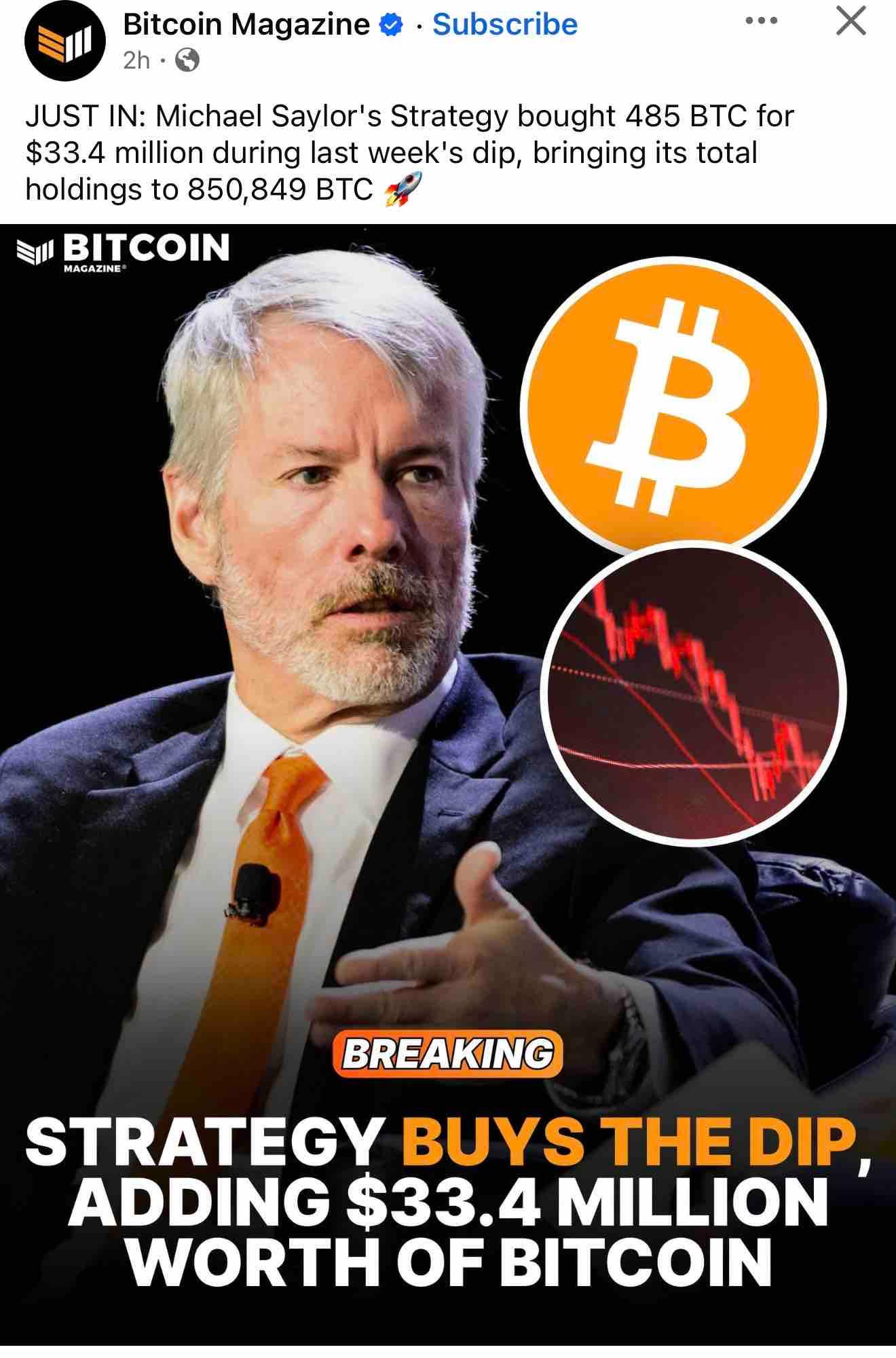
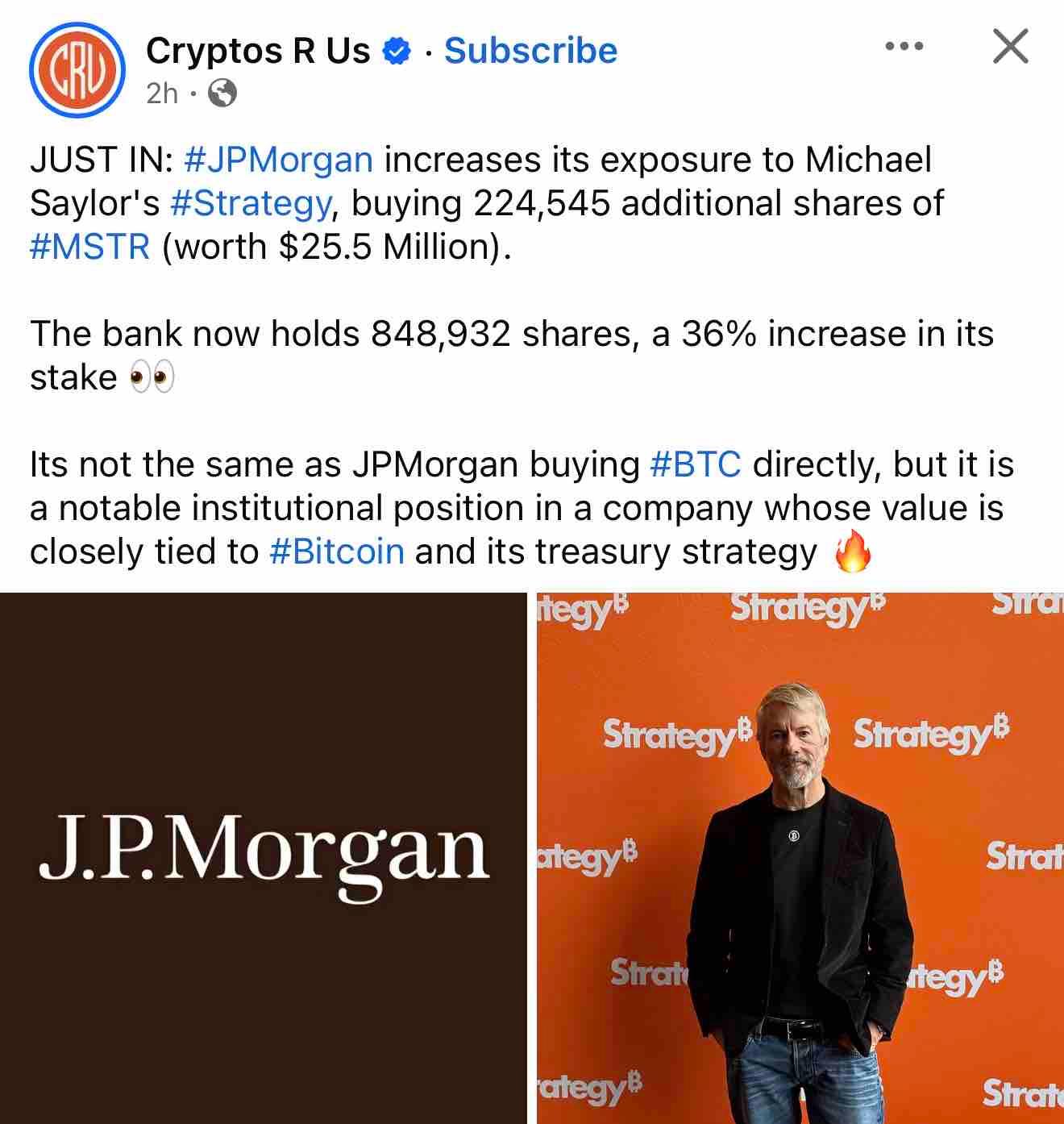
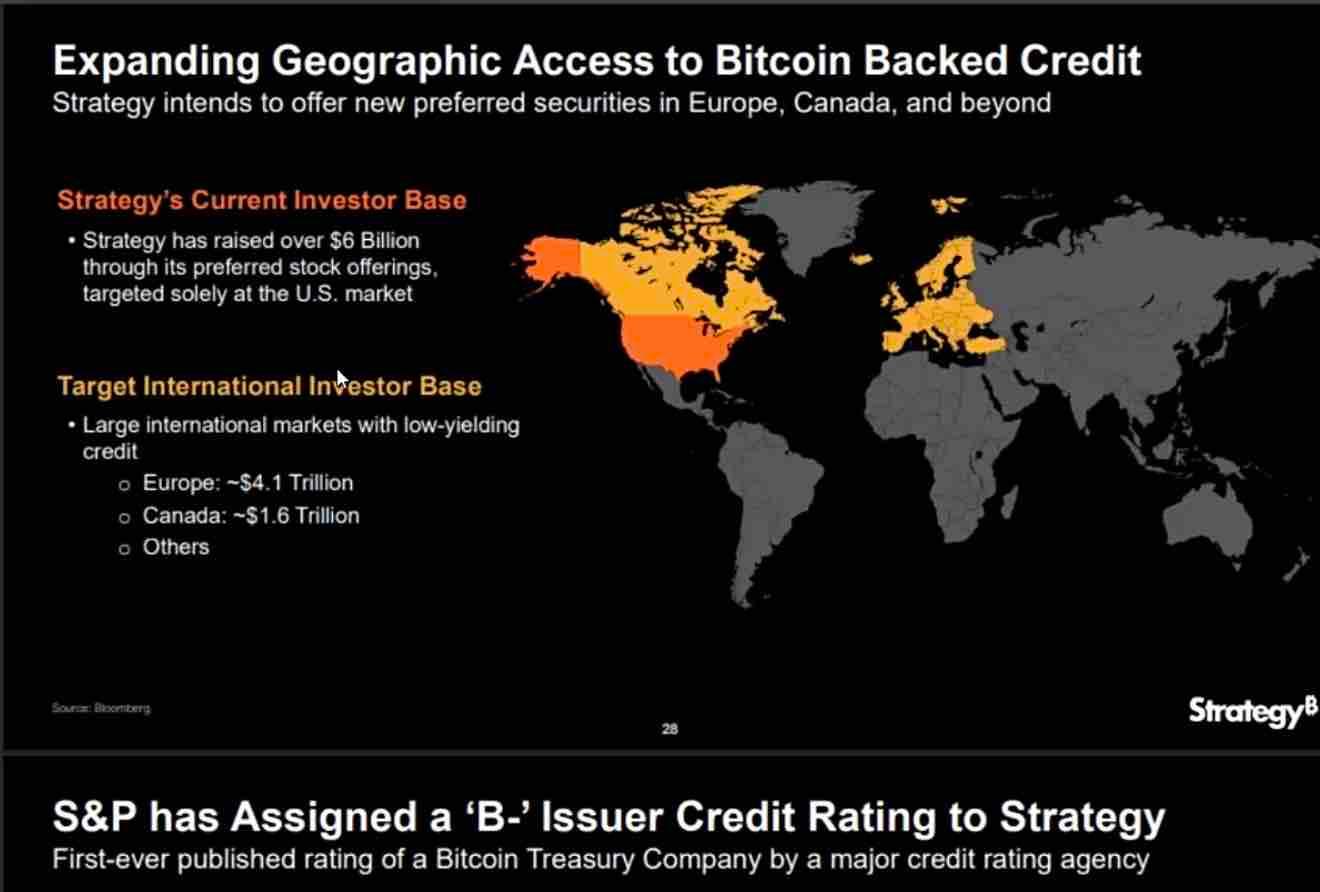
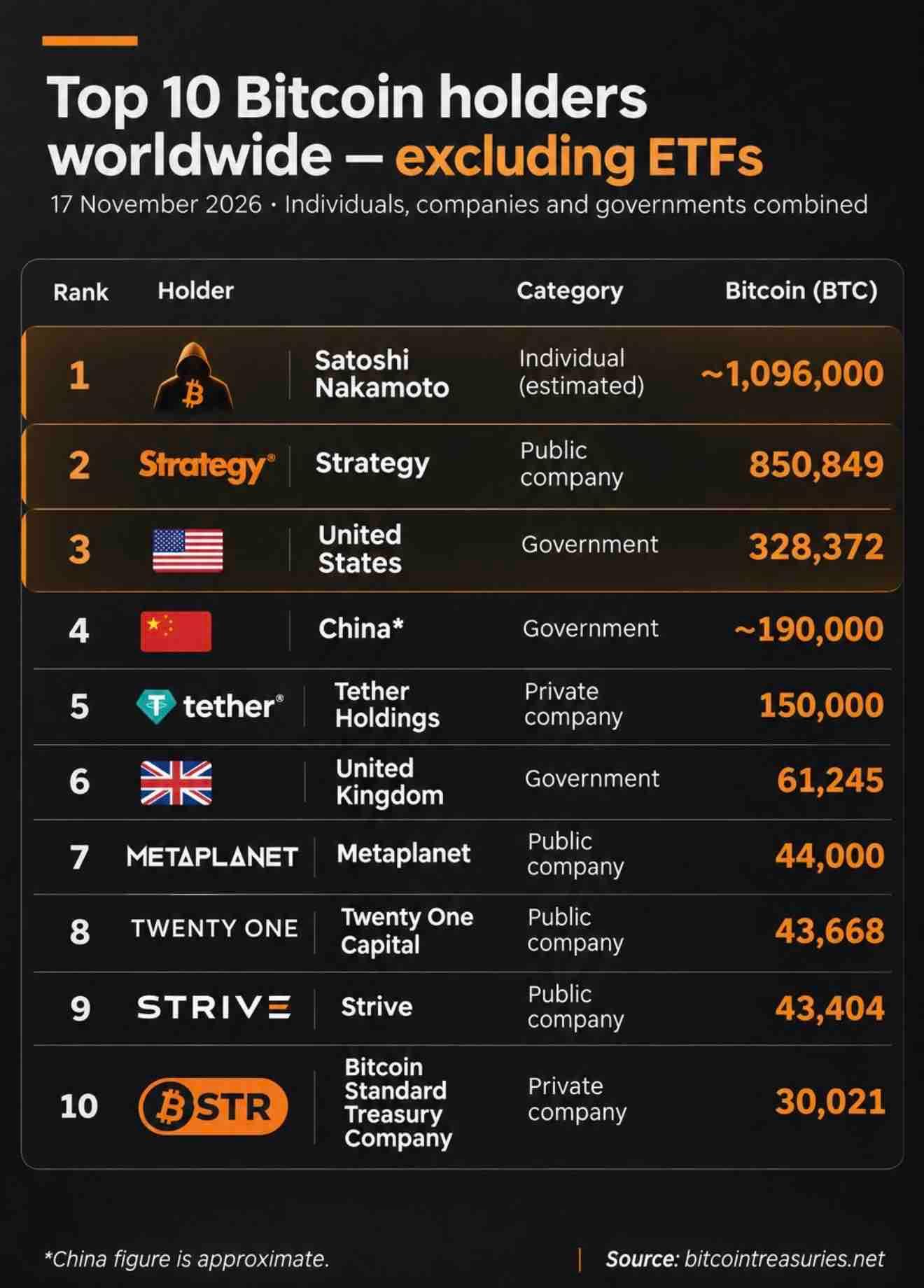
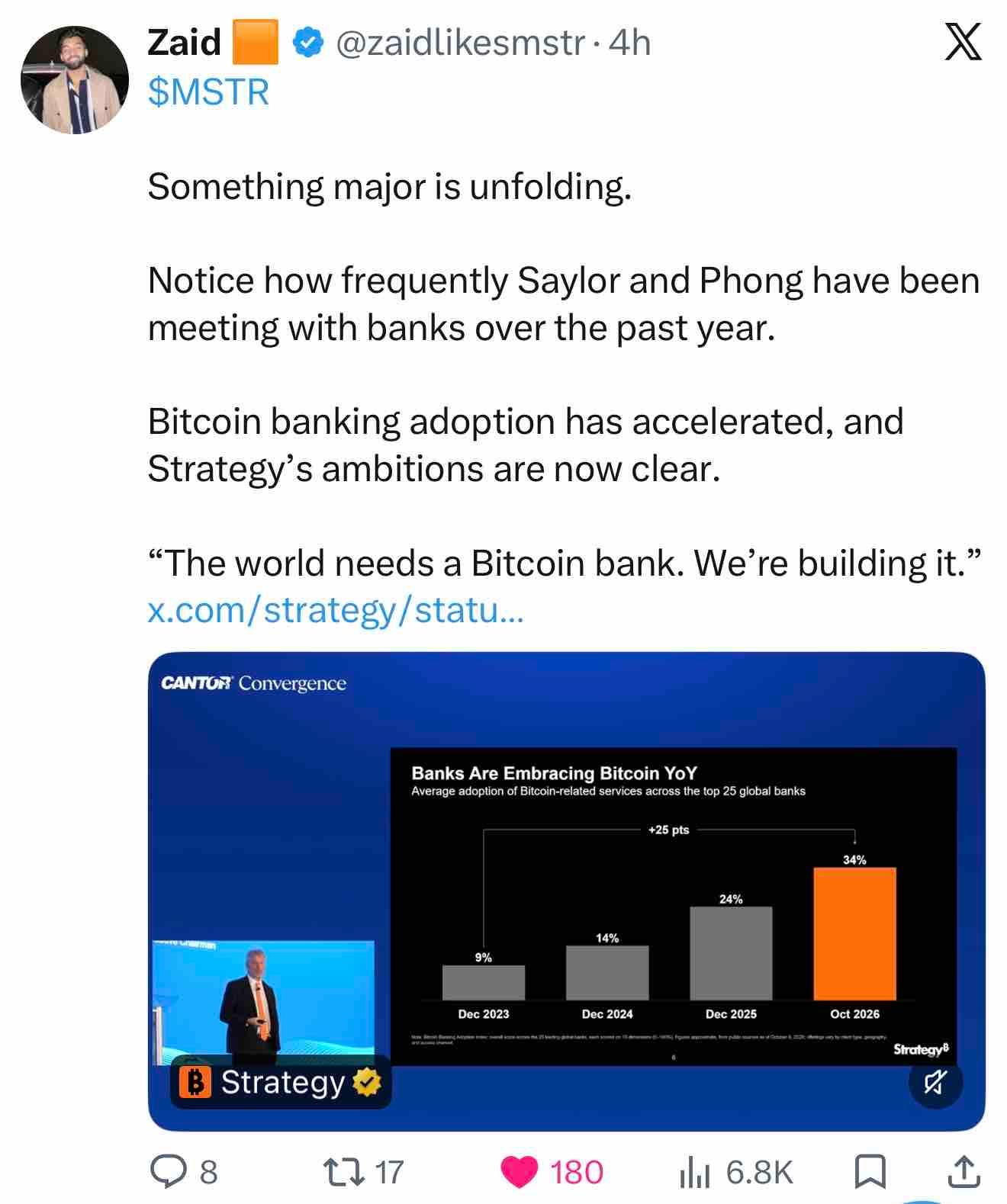
Alright, there’s a lot of FUD surrounding 🟠Strategy🟠 lately following its removal from the MSCI index—and rightfully so. However, there are a few recent updates worth highlighting that might provide some relief: Continued BTC Accumulation: 🟠Strategy🟠 kept its buying streak alive this morning with another 485 BTC purchase, bringing its total holdings to 850,849 BTC. Always a positive sign to see. JPMorgan Buys the Dip: On Thursday, November 12th, JPMorgan increased its exposure to Michael Saylor's 🟠Strategy🟠, picking up 224,545 additional shares of MSTR (worth $25.5 million). JPMorgan now holds 848,932 shares—a 36% stake increase right as 🟠Strategy’s🟠 share price plummeted. While it isn't the same as JPMorgan buying BTC directly, it’s a notable institutional bet on a company heavily tied to Bitcoin. STRC Coming to Canada: Many investors have wondered if or when STRC will be available in Canada. I scrolled way back through my camera roll and found an official graphic Strategy posted months ago confirming that STRC will indeed launch in both Canada and Europe eventually. Saylor has also gone on record saying this in a past interview (though I can't dig up the exact clip right now). It looks like it will take some time, likely rolling out next year. Finally December 11th, the S&P 500 December rebalance is the next major swing. Announcement’s expected around December eleventh, effective December twenty-first. Strategy passed the seasoning test months ago but still hasn’t been added — Sandisk took that slot in September — and its negative GAAP earnings remain the sticking point. No signal either way yet. Could this possibly be the time 🟠Strategy🟠 is added to the S&P 500. Tough times being a MSTE holder, but one day our investment will flourish.read more
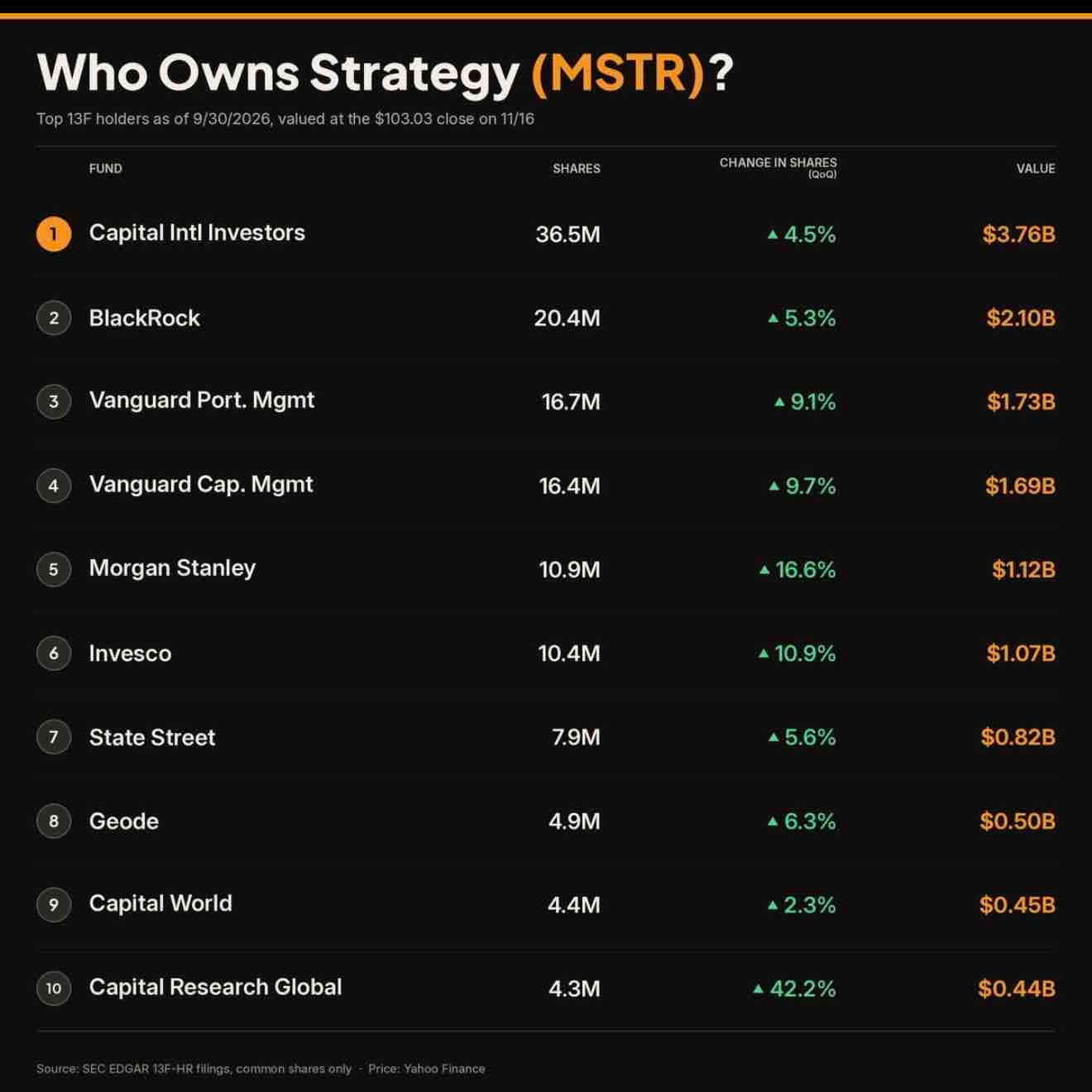
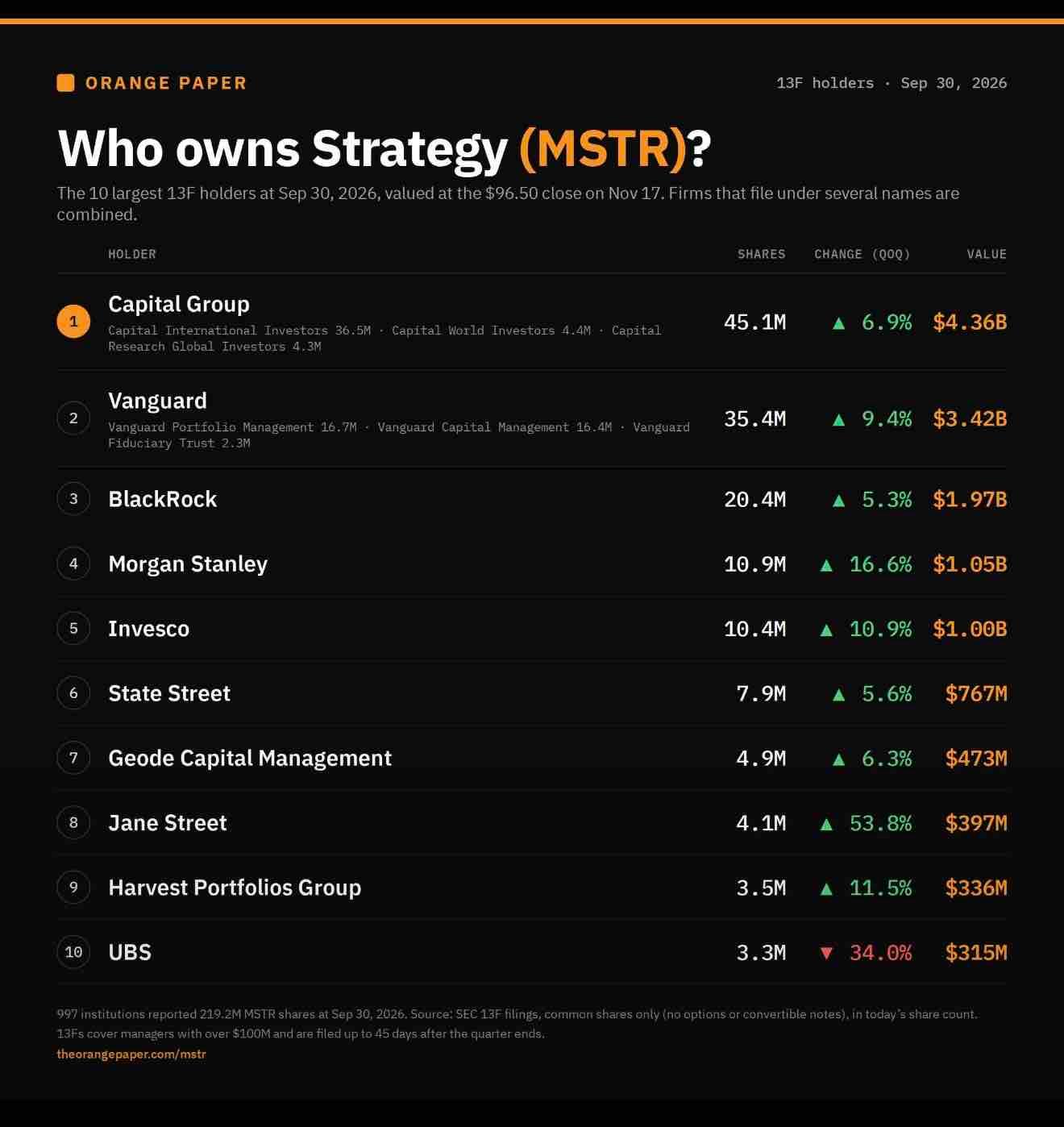
Hoping these posts offer some relief to 🟠MSTR🟠 investors by sharing the facts on institutional investment in 🟠Strategy🟠 and the strong demand that still exists. Sadly, 🟠Strategy🟠 has fallen sharply and is testing multi-month lows. A drop below ~$82 would put it at (or very near) its 52-week low of $81.81. I may have to revert my previous decision of buying ⚡️TSLA⚡️ and continue dollar-cost averaging into MSTR in order to salvage this investment any way possible. Harvest must be reducing the distribution next announcement We really need a Bitcoin bullrun, like now lol📈read more
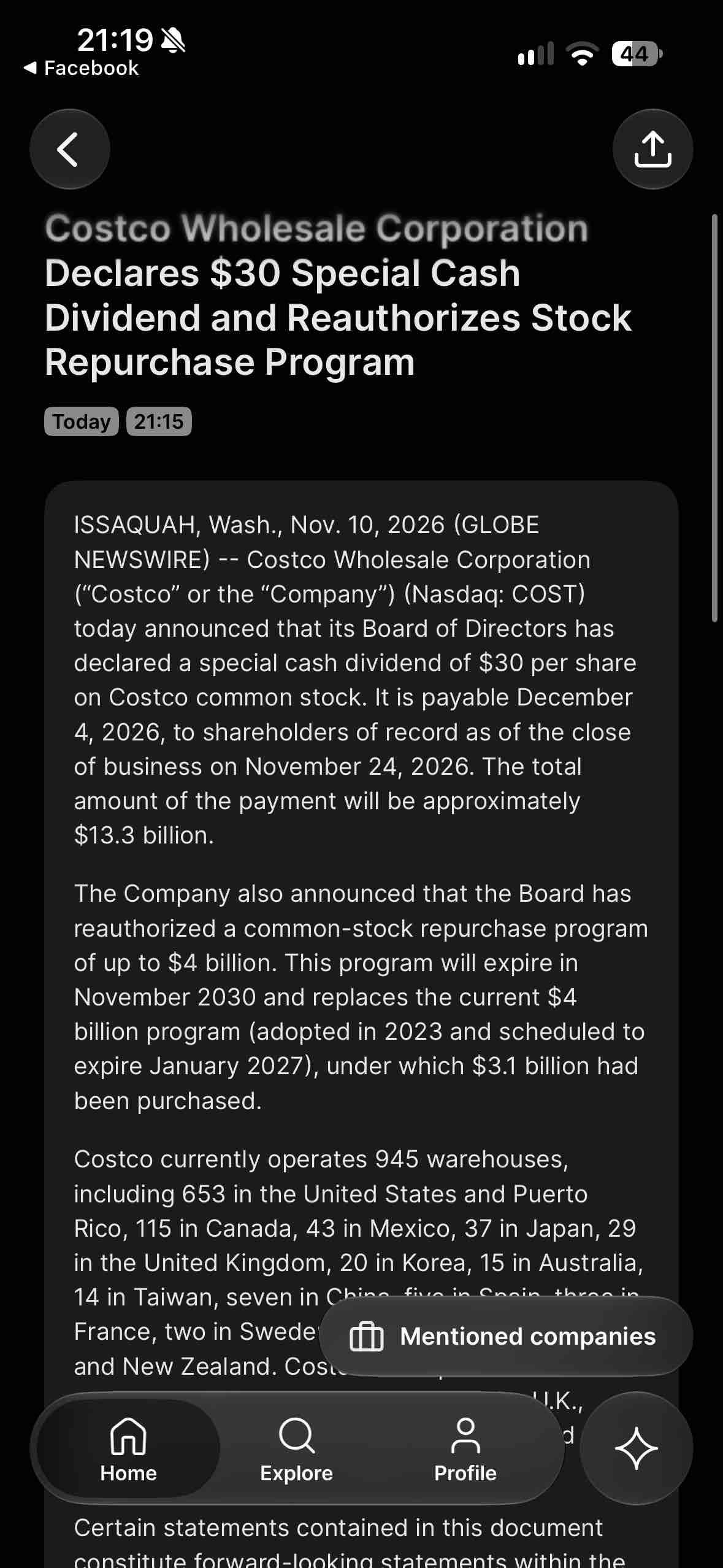
Costco has announced a special cash dividend of $30 per share! 💰 The payment is scheduled for 4th December 2026, with shareholders needing to be on the register by 24th November. This is expected to cost Costco approximately $13.3 billion in total! On top of that, the company has also authorised a new $4 billion share repurchase programme, replacing its previous buyback programme. I always like seeing companies return money to shareholders, and a $30 special dividend is certainly a nice bonus! Just to be clear, this is a one-off special dividend and not an increase to its regular dividend. Anyone else holding Costco? 👀 $COSTread more
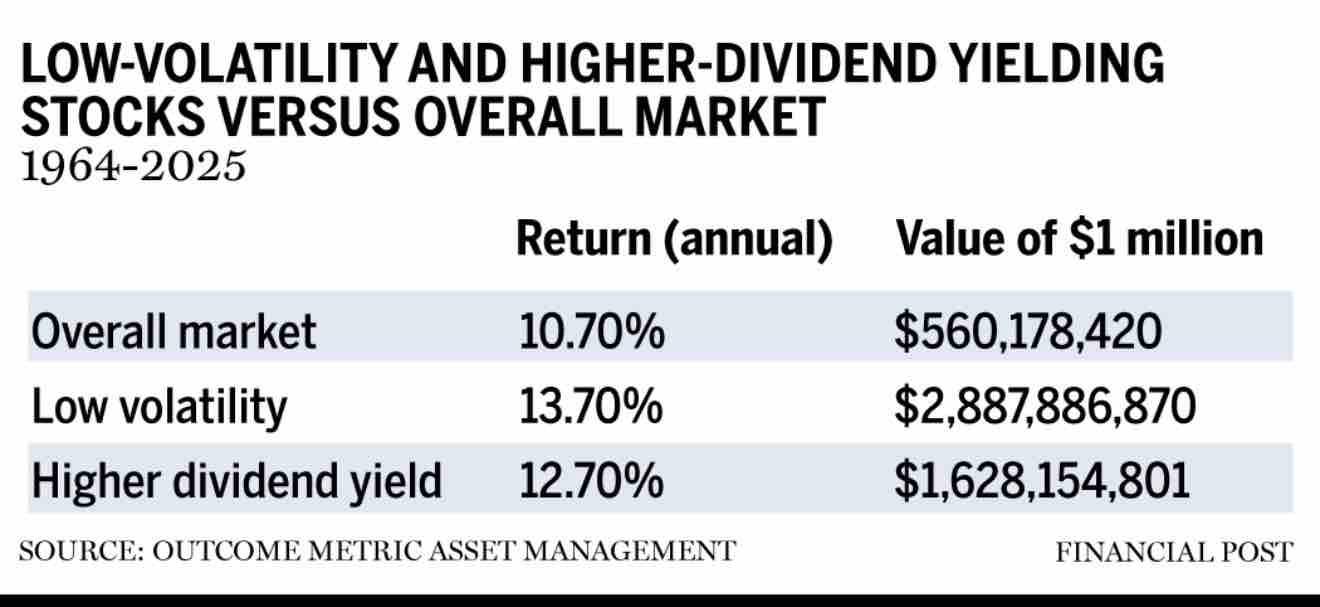
As a long term, mature investor, and business leader my core investing thesis and strategy is architected around the reversion to the mean. I invest and position my family portfolio holdings to leverage, capitalize and compound based on the “natural” pendulum of the market cycle. This is hard to do without the hindsight of three decades of market and macroeconomic observation, experience and business knowledge. I essentially time the market in years - 1, 3, 5, 10, 20, 30. Not time exact tops or bottom of the market or stocks with any precision. I’ve learned the hard way you cannot do this with any repeatable success, but you can get close “enough”. Enough being 80/20. I see on Blossom, the overly wilful investing in absolutes and singularity of thinking without recognizing and being self aware of their place in history and historical averages. It is not difficult to be on the “right” side of history, if you give yourself enough room to see the forest from the trees. Below is an article that would be useful to bookmark and read again in a decade from now. - - - Low-volatility and higher-dividend stocks are primed to come back with a vengeance Noah Solomon: Over the long-term, less volatile stocks have outperformed their more volatile counterparts By Noah Solomon “Eugene Fama, an American economist and Nobel Laureate, is recognized for his work on portfolio theory. The Fama-French Three Factor model, an asset pricing model developed by Fama and financial economist Kenneth French, demonstrated that smaller companies tend to outperform larger ones, and that stocks with lower valuations tend to outperform those with higher ones. ” Since Fama and French’s original findings, academic research has demonstrated that over the long-term, less volatile stocks have outperformed their more volatile counterparts and stocks with higher dividend yields have outperformed those with no or lower ones. “According to our calculations at Outcome Metric Asset Management, from 1964 to 2025, low-volatility stocks returned an annualized 13.7 per cent, compared with overall market annualized returns of 10.7 per cent. And higher-dividend-yield stocks returned an annualized 12.7 per cent. If you started with $1 million, this would have resulted in $2,887,886,870 gained from lower volatility stocks, $560,178,420 from investments in the overall market and $1,628,154,801 from higher-dividend-yield stocks.” “If only life were so simple Although stocks with these characteristics have delivered impressive long-term performance, that ride has entailed some painful bumps in the road. In times when speculative fervour is widespread, markets underprice risk, leading to a relative undervaluation of companies with defensive attributes versus their more speculative peers.” “Such was the case in the dot-com fuelled bull market of the 1990s, when both low volatility and higher-dividend-yield stocks materially underperformed their more speculative counterparts. Fear of missing out (FOMO) is a powerful force that can have perverse effects on behaviour. None other than J.P. Morgan himself is said to have stated, “Nothing so undermines your financial judgement as the sight of your neighbor getting rich.” Relatedly, many investors found it excruciatingly painful sitting with these holdings as they lagged the high-flying darlings of the day.” “From 1990–1999, low-volatility and high-dividend-yield stocks had annualized returns of 13.2 to 13.8 per cent, compared with the overall market’s 18 per cent. Notwithstanding the interim pain of underperformance, those who had the fortitude to stick with their low-volatility and higher-dividend-yield holdings would have reaped significant rewards over the ensuing decade. Investors who remained steadfast in the 1990s as their “boring” portfolios underperformed were more than made whole for their patience, as demonstrated by their outperformance over the entire two-decade period to 2009. Importantly, the relative performance of stocks with these low-volatility and higher-dividend-yield characteristics is strongest in periods of market stress – they deliver outperformance and portfolio diversification when it is most needed.” “The underperformance of low volatility and higher-dividend-yield stocks over the past 10 years is highly anomalous. The only other 10-year period that witnessed this phenomenon was the dot-com-based bull market of the 1990s, which was followed by an unusually strong period of outperformance for low-volatility and higher-dividend-yield stocks. Since markets bottomed in March 2009 following the global financial crisis, the S&P 500 has delivered an annualized return of 16.4 per cent, as compared to its long-term average of 10.2 per cent. Importantly, this impressive streak was achieved with uncharacteristic consistency. As we approach the end of 2026, U.S. stocks are poised to have delivered negative returns in only two of the 18 years beginning in 2009. The only comparable period in terms of both consistency and magnitude is that which preceded the peak of the dot-com bubble in early 2000.” “Legendary investor Sir John Templeton famously said that the four most dangerous words in investing are “This time it’s different,” which nicely summarizes that extended periods of above-average returns have historically been followed by ones of below-average returns, and vice versa. If historical patterns prevail (which they tend to do), then a return to long-run average returns would necessitate a period of below-average returns. In a benign scenario, this would entail an extended period during which stocks consistently deliver below-average yet positive returns. A more painful outcome would involve a decade of mostly average returns marred by a bear market. Regardless of the path, it is likely that markets will prove disappointing for investors who have grown accustomed to uncharacteristically high returns.” “As Warren Buffett wrote in Berkshire Hathaway’s 2000 annual letter to shareholders, “The line separating investment and speculation, which is never bright and clear, becomes blurred still further when most market participants have recently enjoyed triumphs. Nothing sedates rationality like large doses of effortless money.” History doesn’t repeat itself, but it often rhymes. Although I have no idea of the precise timing, low-volatility and higher-dividend stocks are primed to come back with a vengeance, with well-above market average performance over the next 10 years. Against this backdrop, Outcome’s algorithmic approach to investing in dividend-yielding, low-volatility stocks, both in Canada and internationally, is aiming to deliver meaningful outperformance when it will be most needed.” Excerpt From “Low-volatility and higher-dividend stocks are primed to come back with a vengeance” Noah Solomon Financial Postread more
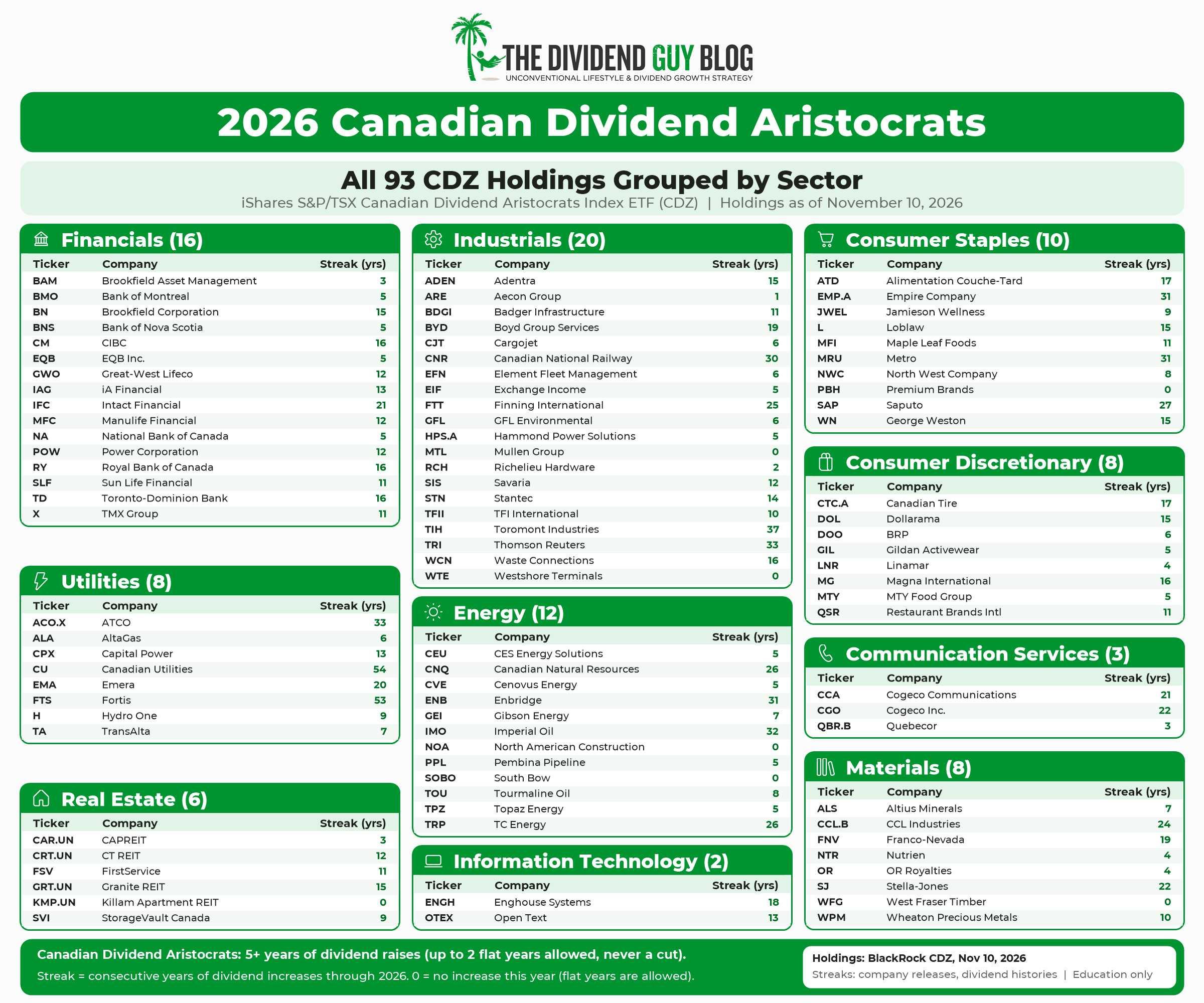
Canadian dividend investors: Here are all 93 Canadian Dividend Aristocrats on one page. To join the list, a company raises its dividend for at least 5 years in a row. The S&P rules allow up to two flat years in that stretch. A cut removes it at the next yearly review. Here is how the 93 split by sector: Industrials: 20 Financials: 16 Energy: 12 Consumer Staples: 10 Consumer Discretionary, Materials and Utilities: 8 each Real Estate: 6 Communication Services: 3 Information Technology: 2 One name you won't find: BCE. It cut its dividend in 2025 and is no longer on the list. The list shows which companies kept paying and raising. The next step is to check whether revenue, earnings and the dividend still grow today. Which sector would you look at first?read more
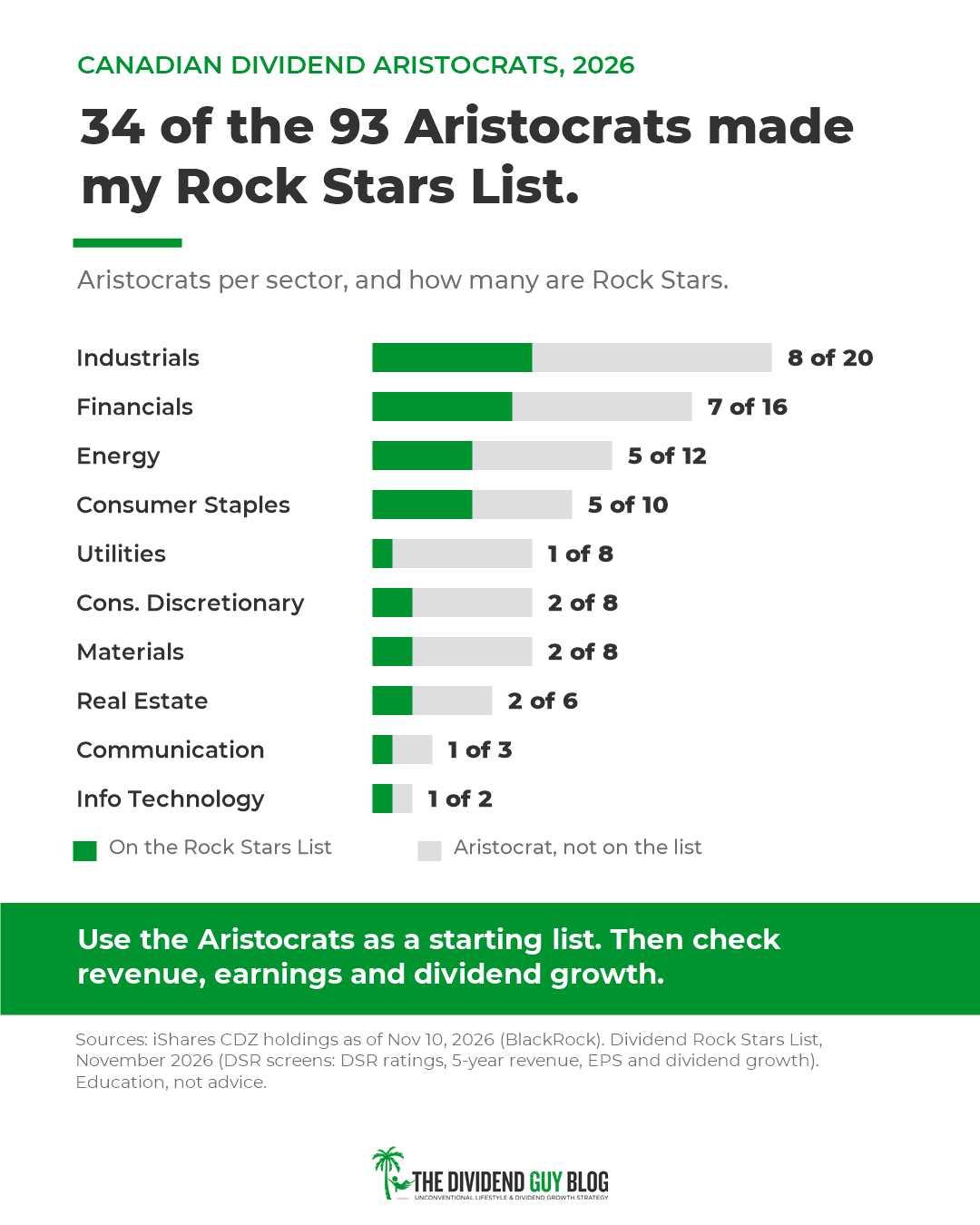
34 of the 93 Canadian Dividend Aristocrats are on my Dividend Rock Stars List this month. Here they are by sector: Industrials (8 of 20): Hammond Power, Element Fleet, Waste Connections, Toromont, CN Rail, Stantec, Cargojet, Finning Financials (7 of 16): National Bank, Intact, BMO, TMX Group, Royal Bank, CIBC, TD Energy (5 of 12): Cenovus, Imperial Oil, Canadian Natural, Topaz, Gibson Consumer Staples (5 of 10): Couche-Tard, Loblaw, Jamieson, George Weston, Metro Consumer Discretionary (2 of 8): Dollarama, Linamar Materials (2 of 8): Stella-Jones, CCL Industries Real Estate (2 of 6): FirstService, CT REIT Utilities (1 of 8): AltaGas Communication (1 of 3): Quebecor Info Tech (1 of 2): Open Text The screens: revenue, EPS and dividend growth of at least 1% a year over 5 years, a DSR dividend safety score of 3 or more, and a Chowder number (yield plus 5 year dividend growth) of 8 or more. Not making the list this month isn't a verdict on the other 59. Each misses at least one screen. Full list, 262 Canadian and U.S. stocks, free and updated monthly: https://thedividendguyblog.com/dividend-rockstar-list/ Which name surprised you the most?read more
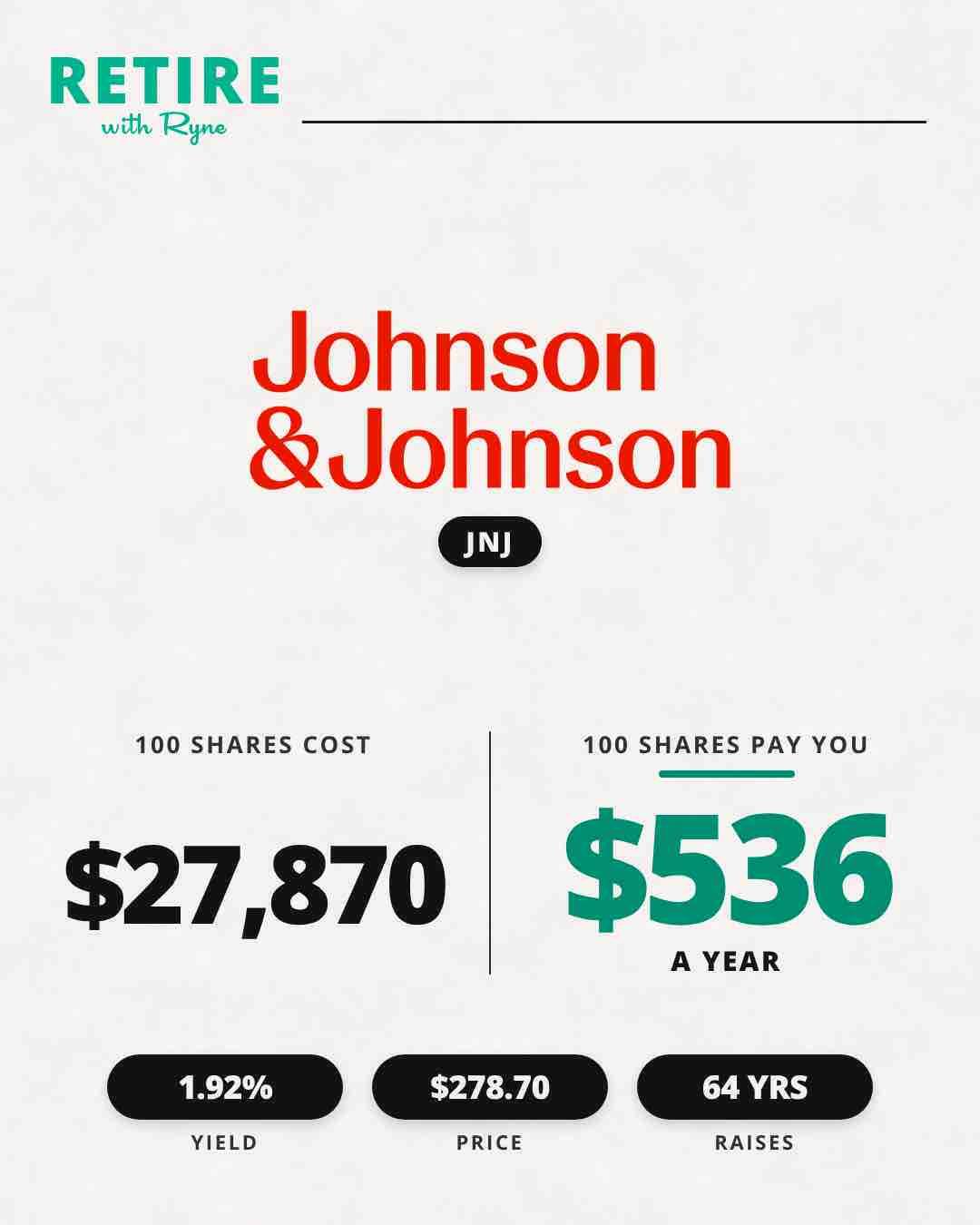
As someone who optimizes for dividend income and low drawdown, it was nice to see a multitude of my sleep-well-at-night dividend stocks trade up today, such as $JNJ, $MCD, $PEP, and $MO. While those who take the big risks in the right high-growth tech/AI stocks may outperform from a total returns perspective over long periods of time, I have found the specific strategy that allows me to stay committed while meeting my personal financial income needs. Today's market is a reminder that we should all optimize for our personal situations (and levels of risk tolerance). (Disc: I'm long $JNJ, $MCD, $PEP, and $MO. Not investment advice.)
Congratulations, Coca-Cola, on reaching a new all-time high while surpassing $100/share. 🥤 My hypothesis: Flight. To. Quality. (During times of massive uncertainty.) These days, consumers are encouraged to stock up on that Dasani water. But, those sugary drinks sure taste great, too! (Disc: I'm long $KO. Not investment advice.)