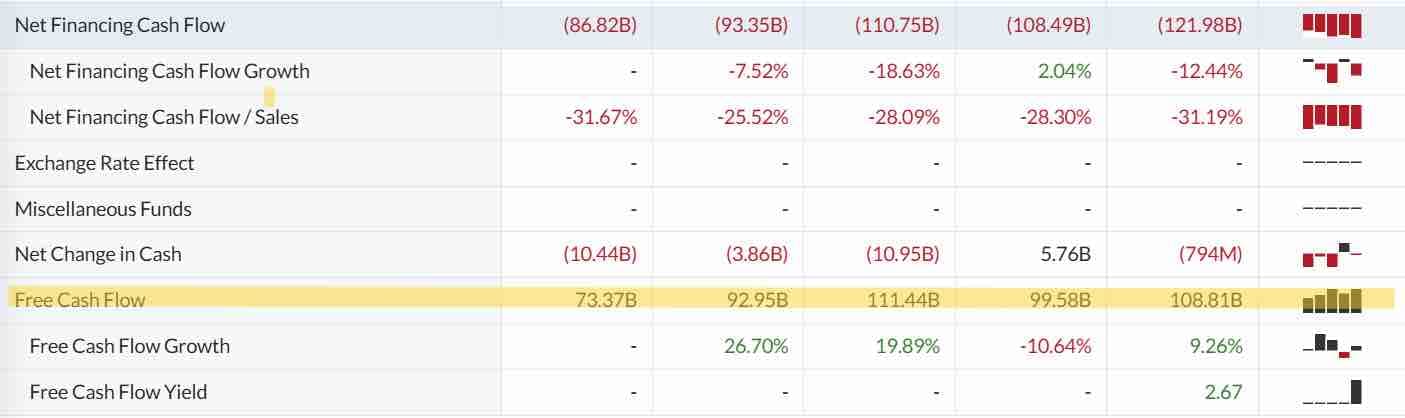
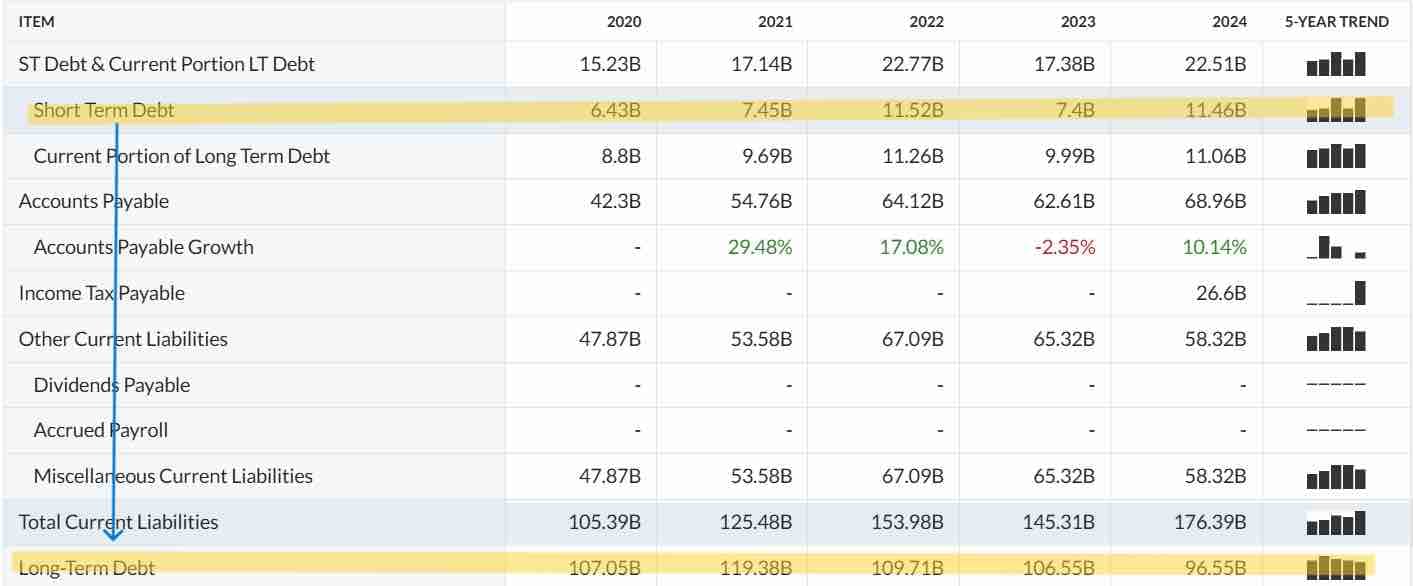
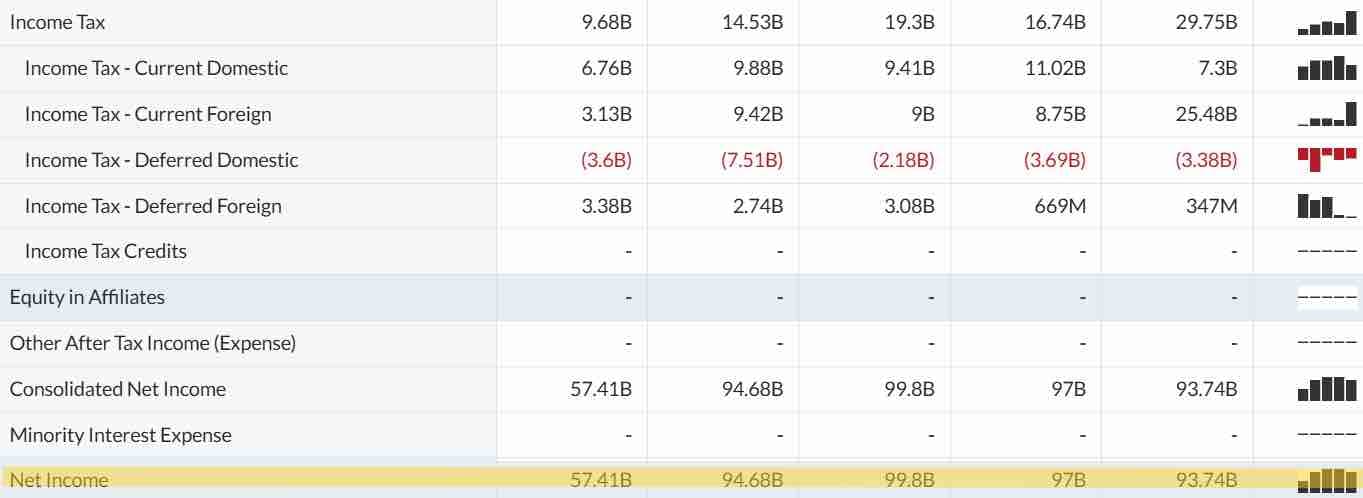
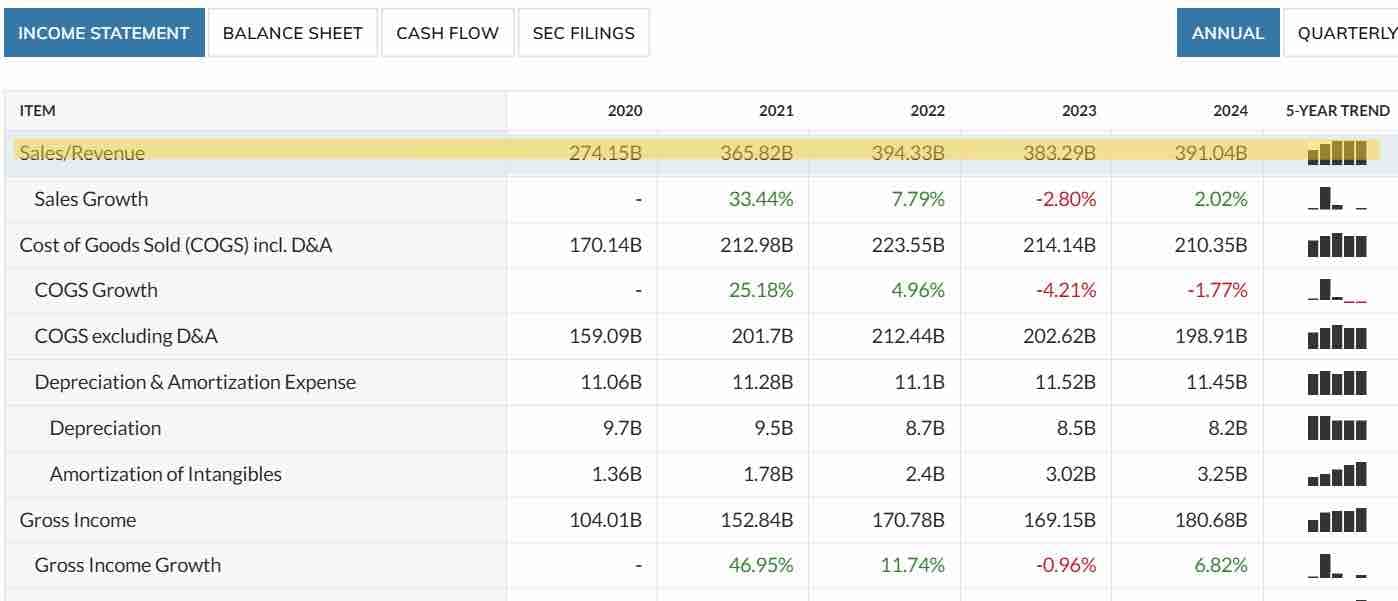
Here are 🚩3 big flags🚩that signal a company might not be a good investment, and I'll walk you through how to check for each one. (Free Stock Checklist at the end) --- 1️⃣ Declining Revenue or Earnings📉 🛑 Why it’s a red flag:A company with falling revenue or earnings may be losing market share, dealing rising costs, or the overall industry is shrinking. ✅ How to Check for This: A) Look at the Income Statement📊 - Find the company’s total revenue and net income in its latest financial report. Top-line & bottom-line, respectively. - Compare revenue and net income across multiple quarters/years. 3 years or 12 quarters is more than enough to indicate a trend - If both are consistently declining, it’s a warning sign. B) Check Earnings Reports🗂️ - Look at the company’s quarterly earnings reports to see if they’ve missed expectations multiple times. C) Compare to Competitors🔍 - Is the entire industry struggling, or just this company? 📚Website for financial reports: https://www.marketwatch.com/ --- 2️⃣ High Debt Levels 🛑 Why it’s a red flag:Companies with a capital structure heavily debt-reliant are more vulnerable in economic downturns and might struggle to repay obligations. ✅ How to Check for This: A) Find the Debt-to-Equity Ratio (D/E)📊 - Go to the company’s Balance Sheetin its latest report. - Find Total Debt and Total Equityand calculate: Debt-to-Equity Ratio = Total Debt ÷ Total Equity** - A D/E ratio above 2.0 (varies by industry) is usually risky. B) Check Interest Coverage Ratio🔍 - Look at the Income Statement for EBIT (Earnings Before Interest & Taxes). - Find Interest Expense and calculate:Interest Coverage Ratio = EBIT ÷ Interest Expense - If this ratio is below 1.5, the company may struggle to pay interest. 📚 Resources: https://www.investopedia.com/terms/d/debtratio.asp#:~:text=Key%20Takeaways&text=A%20company's%20debt%20ratio%20can,has%20more%20assets%20than%20debt --- 3️⃣ Poor Cash Flow 🛑 Why it’s a red flag:A company can be profitable on paper but still run out of cash to fund operations. ✅ How to Check for This: A) Find the Cash Flow Statement📜 - Look at Operating Cash FlowOCF). - If OCF is negative for multiple quarters, the company may be in trouble. B) Check Free Cash Flow (FCF)💰 - Free Cash Flow = Operating Cash Flow - Capital Expenditures - A company with negative FCF can’t reinvest in growth without taking on debt. 📚 Read more about Cash flow: https://www.investopedia.com/articles/stocks/07/easycashflow.asp ___________________________________________ Thanks for reading, I am open to engage in friendly conversations so I encourage you to leave a comment!💬 Access my free stock checklist at the link below⬇️ https://investingwithcole.gumroad.com/l/stockchecklist
110K views
26 Comments
Joaquin
@joaquin_investing · 1yr
What do you think about $SHOP? I’ve put in an order of $10,000 at $142 a share, if it hits. Want to confirm before buying to see what others think. I think it’s good as they have their money coming in from other countries, not just Canada & US. Only about 12% of revenue is coming from the US, so I think they’d live. They don’t have much debt, and they have good earnings and margins. What do you and other think?
J superdad
@heroic · 1yr
aniF
@voldemort0903 · 1yr
Whats your take on $sofi as they had negative cash flow before and no more history about positive cash flow
Kuren
@spacenomad · 1yr
What if I used DCF to see if a stock or ETF is worth investing in?
See the full comment section 👀Sign up for the full Blossom experience!