From “Can’t Afford It” to “How Can We?”
What do you say when your child asks for something you can’t afford? What do you tell yourself?
Growing up, my parents would often say: “We don’t have the money for that.” And they were right. But looking back, I realize how powerful that message was.
The term scarcity mindset is relatively new to me. I only learned it about five years ago. But I lived it my whole life. That mindset shaped how I thought about money, opportunities, and even what I believed I deserved.
Even today, despite being in a much better financial position, I still catch myself slipping into it. For example, I hate shopping for clothes, even when I actually need them. I feel guilty spending the money. I mentally prepare for the purchase, and even then I’m very conservative about it. It drives my husband nuts. 😂
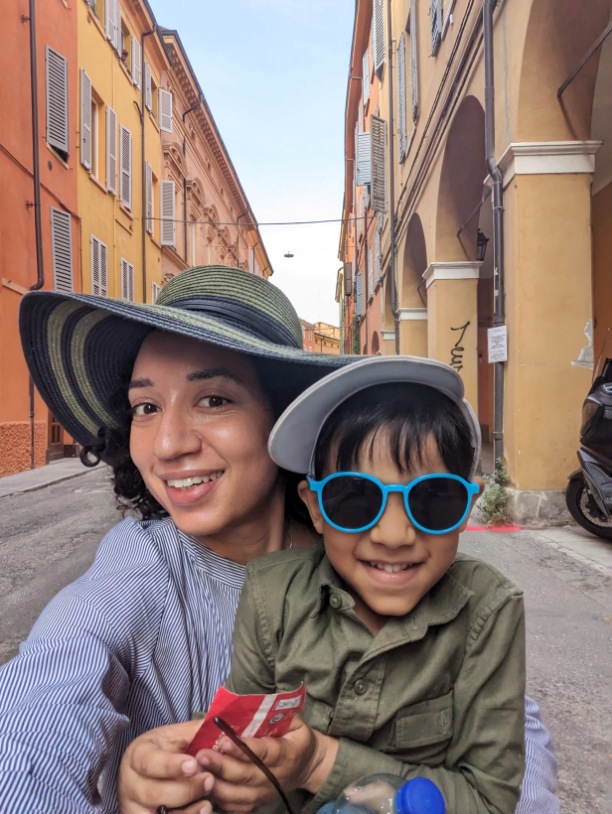
Now that I’m a mom, I’m trying to rewire that thinking, both for myself and for my daughter.
One small rule I’ve created in our home: we don’t say “we can’t afford it.”
Instead, I ask: “How can we afford it?”
It may sound like a small shift, but it changes everything.
Of course kids shouldn’t get everything they want. That’s not the point. But saying “we can’t afford it” shuts the conversation down. For me growing up, it quietly taught my brain that money was fixed, opportunities were limited, and wanting things was pointless.
When you ask “How can we afford it?” your brain starts looking for possibilities:
• Could I save for it?
• Could I earn extra money?
• Could I sell something I no longer need?
• Could I create something or offer a service?
• Could I trade for it?
Suddenly the conversation becomes about creativity, problem-solving, resourcefulness, and opportunity.
You’re teaching kids that money isn’t just something you have or don’t have. Rather, it’s something you can create, manage, and work toward.
I’ve read that if children repeatedly hear “we can’t afford it,” by their mid-teens their brain can become wired to see money and opportunities as scarce. That narrative can stick well into adulthood.
So now, when my daughter asks for something, we start with a different question:
How can we make it happen?
If you have kids, or kids in your life, I hope this perspective is helpful. 💛
If you don’t have kids, you can also make this shift for yourself! 🙂