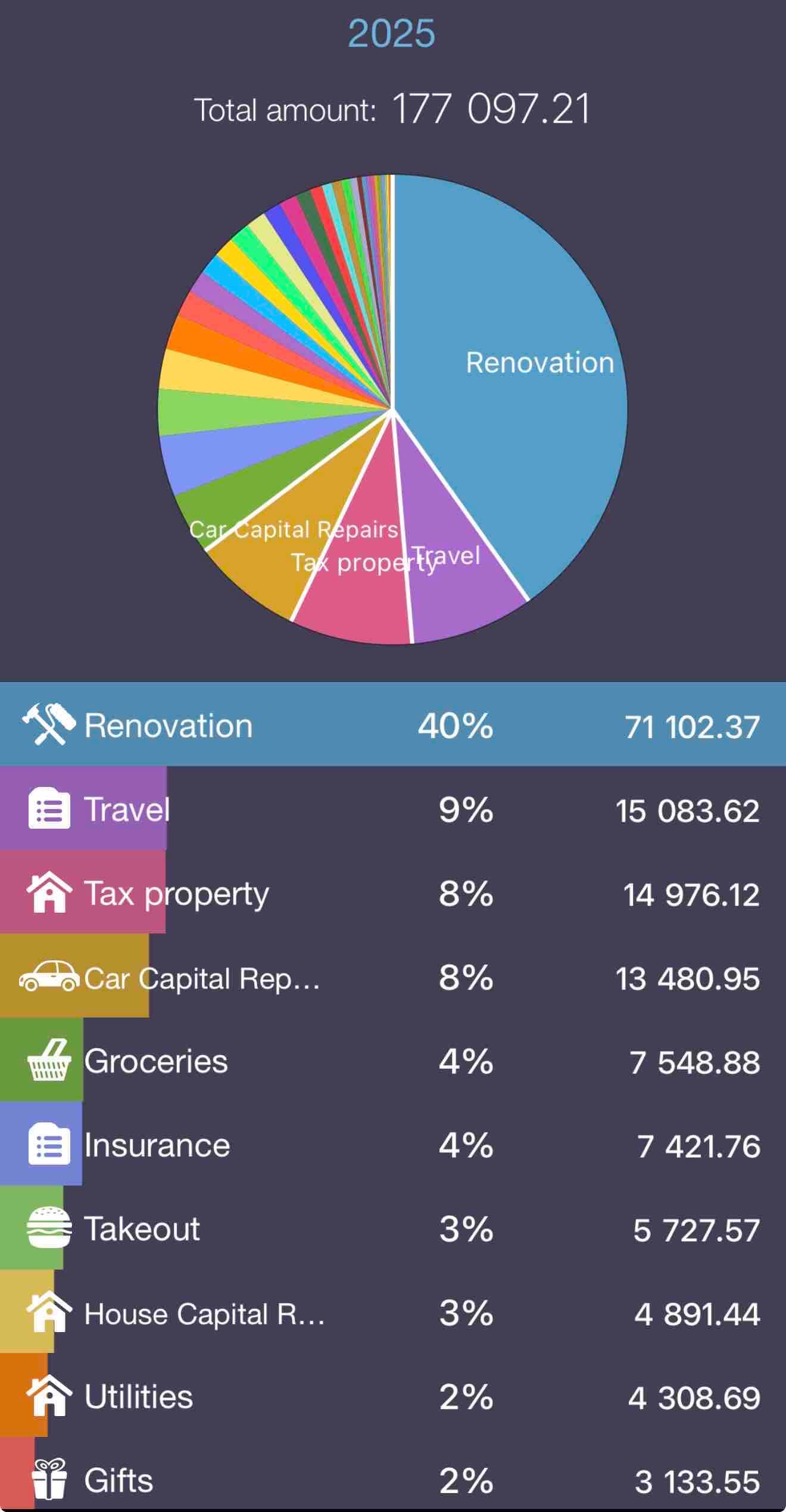
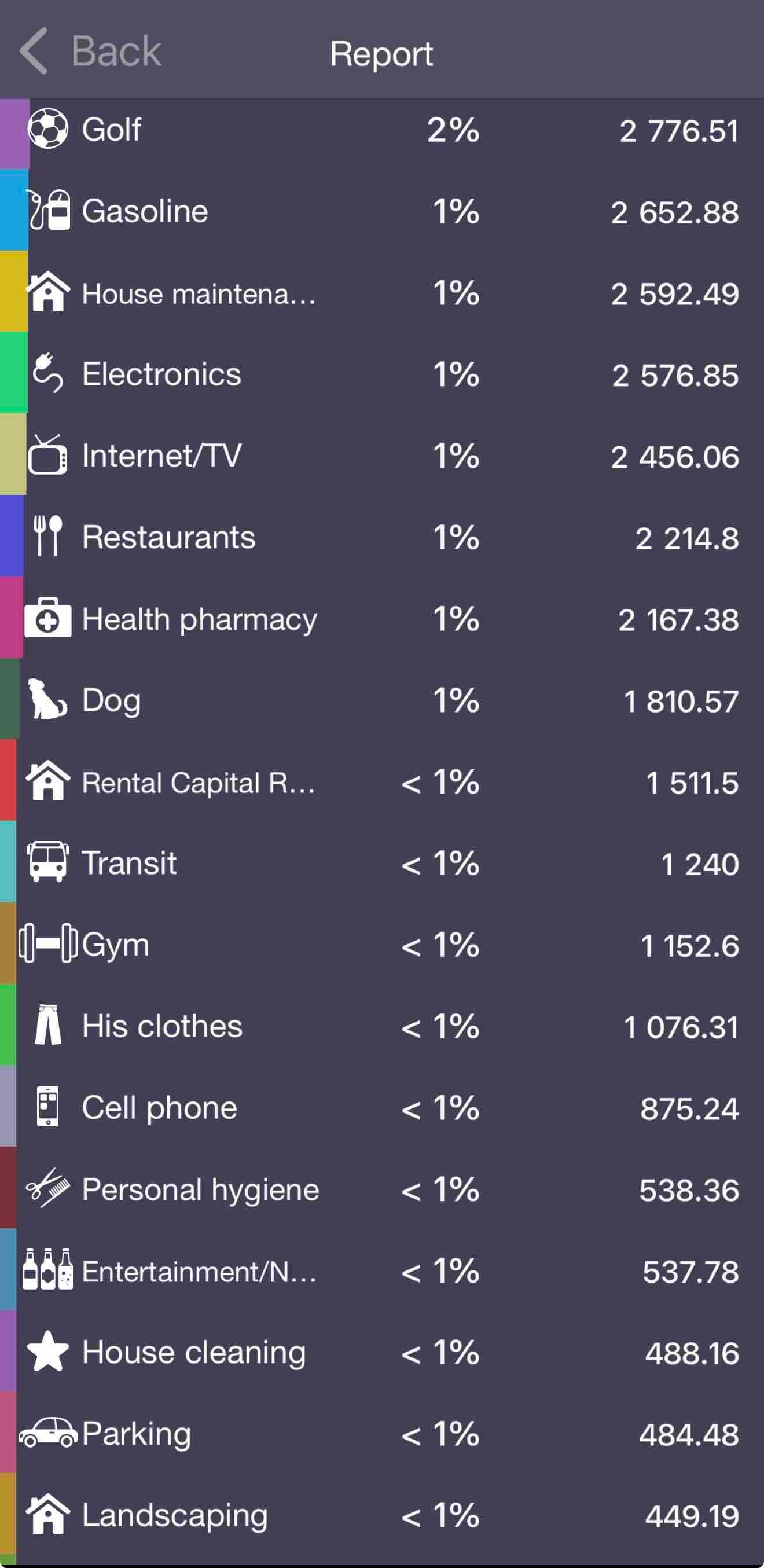
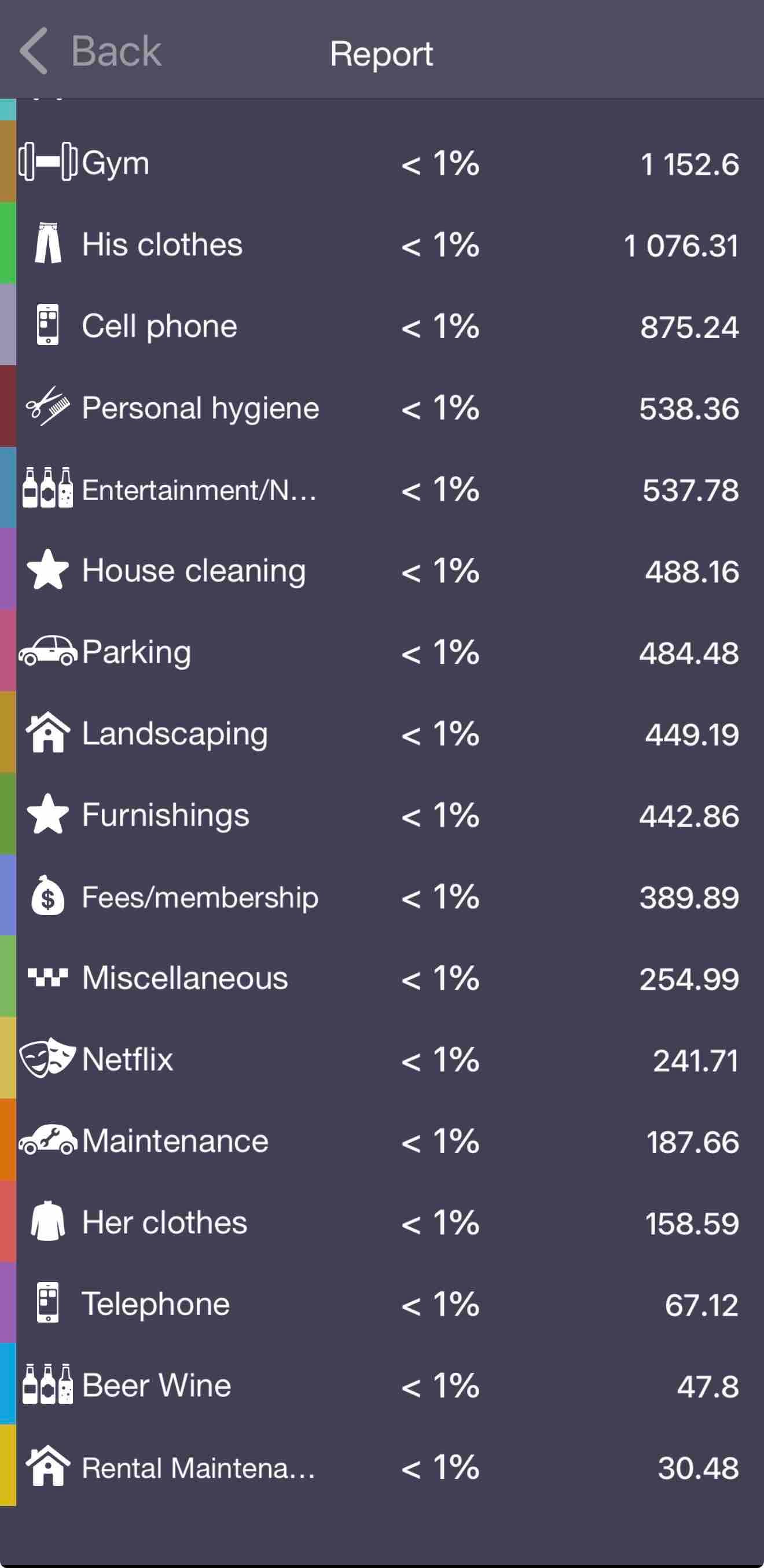
Financial discipline turns uncertainty into control. Why I track every dollar I make, save and spend. Treat yourself like a company and you will significantly improve the likelihood of financial success. In our first full year of dual late-FIRE (we’re in our mid‑50s), living in a sky-high‑cost Canadian city. Our target budget (after tax): - Core living (non‑discretionary): $82,000/yr (~$7,000/mo) - Lifestyle (travel, discretionary): $40,000/yr - Total planned spend: $120,000/yr Note: The average Canadian couple plan a retirement of $80-120k after taxes is a common target. We also planned a multi‑year capital: - Home renovation project: $100,000/yr for 3 years to set us up for the next 20 years before we downsize This year’s surprises we were ready for: - Major car (capital) repairs: $15,000 - House plumbing repairs (maintenance): $2,500 - New furnace (capital): $5,000 - New washer for rental (capital): $2,000 - We underspent on our reno and travel, and covered all shocks from our emergency reserves—no portfolio disruption How we structure our cash flow: - Operating: monthly living costs - Lifestyle: discretionary choices - Capital expenditures: big, infrequent (cars, HVAC, renos) - Reserves/sinking funds: earmarked for capital repairs and replacements Our system (simple and repeatable) 1) Define “core” vs “lifestyle” and set annual targets 2) Build sinking funds for big‑ticket replacements (roof, car, HVAC, appliances) 3) Track every dollar (we’ve tracked 30 years; last 3 with an app) 4) Review monthly, rebalance quarterly, adjust annually Results: - Accuracy builds confidence. Unexpected costs didn’t derail us. - The more disciplined, the more control. The more control, the better the outcome. For younger readers: - Start small: track 100% of spending for 90 days - Automate savings and sinking funds on payday - Your numbers may be smaller—but the discipline scales Question: How do you define, plan and track “core,” “lifestyle,” and “capital” expenses in your budget? This post was inspired by @etf.go ‘s recent post on unexpected capital expenses! https://link.blossomsocial.com/7uYa/c90nmgjr
17K views
71 Comments
Enid Vadeanu
@enidv · 11mo
You are a real example of planning and budgeting! Thank you for sharing. I use excel with separate tabs for family monthly income statement, balance sheet, real estate and debts. Luckily the debts tab is 0 now. In the income statement I categorize expenses into transportation , entertainment, housing, food, etc and “other” for occasional things not included anywhere else (gifts or money given away to kids, etc). We do not budget, just invest the difference remaining from income. 2-3 months before vacations we save the funds needed while we are away. We are both frugal and value every dollar and think three times before we make a major purchase. We pay everything with credit card and it’s easier for me to categorize expenses right on the back of the statement and copy totals on excel spreadsheet.
Twenty-five And Invested
@25andinvested · 11mo
Stuff like this make me realize that there is such thing as too much control
Denise @denindeerwood · 11mo
I downloaded your app but also noticed their other apps so I downloaded Money OK to play around. I’m quite impressed & will buy it for $17.99. - no subscription. I added accts calling them Lifestyle, Capital & Operating as per your suggestion. I added a dozen Operating expenses & our pension income. Impressive but what surprised me is that I added an acct called Mexico & chose MX peso as the currency & CDN for all other transactions. The app did today’s exchange rate for the report. Now I can enter my spending while in Mexico for the winter. Those tacos & margaritas add up LOL. I think it’s going to be well worth the $17.99. It’s a very smooth, easy app. Thank you for your post.
Fiona
@autumncosy · 11mo
What app are you using to track your budget? Thank you
See the full comment section 👀Sign up for the full Blossom experience!