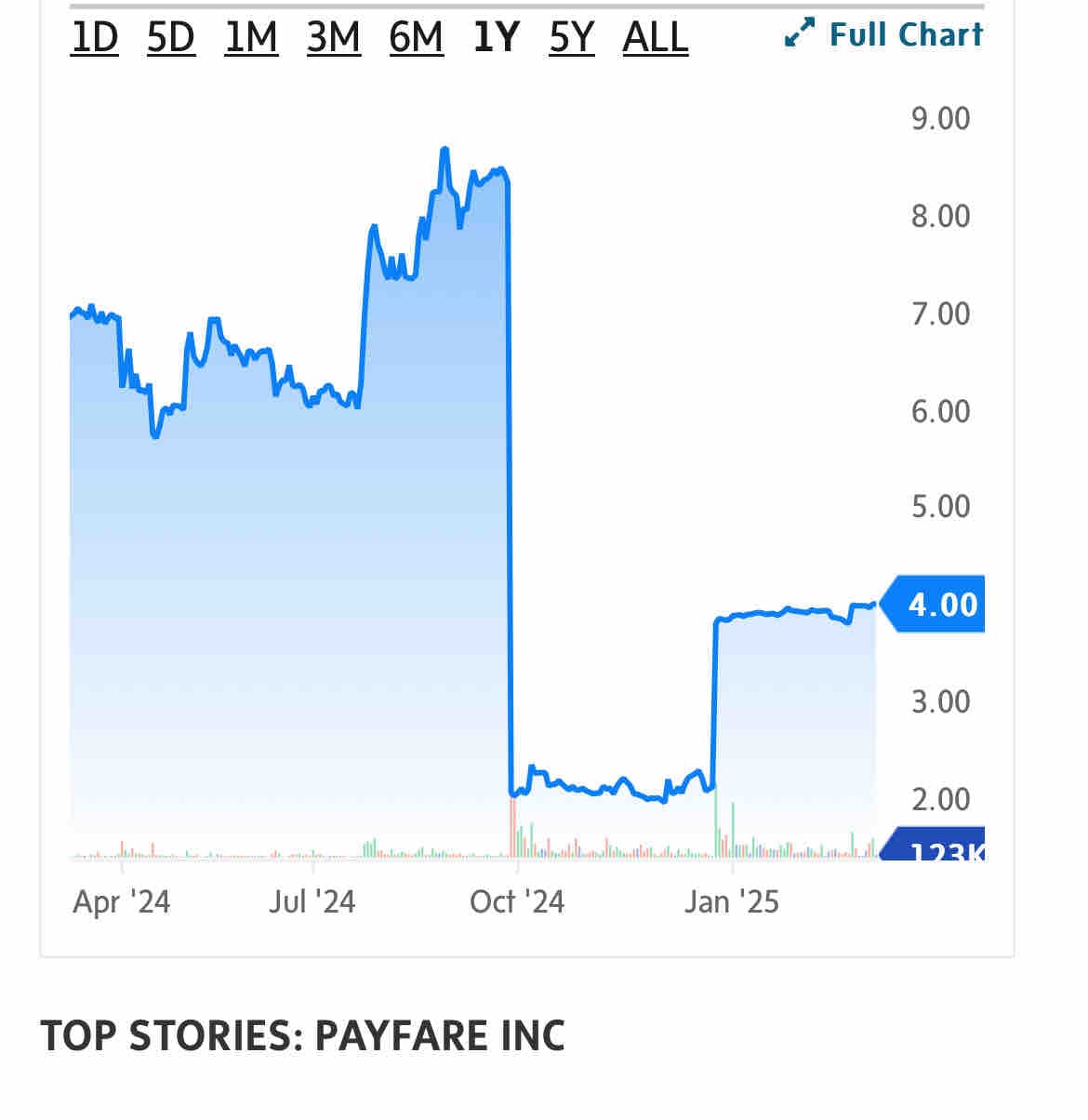
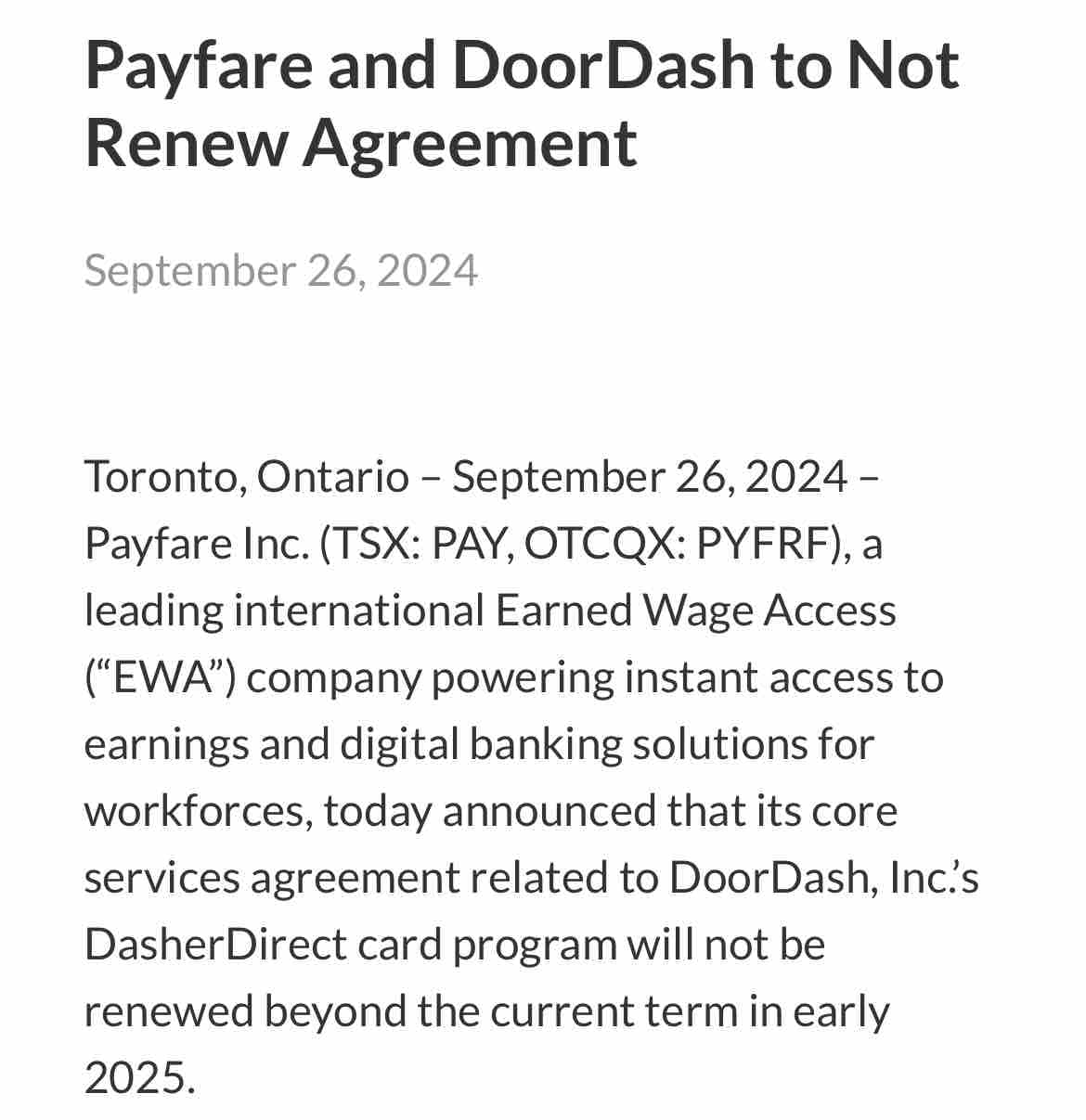
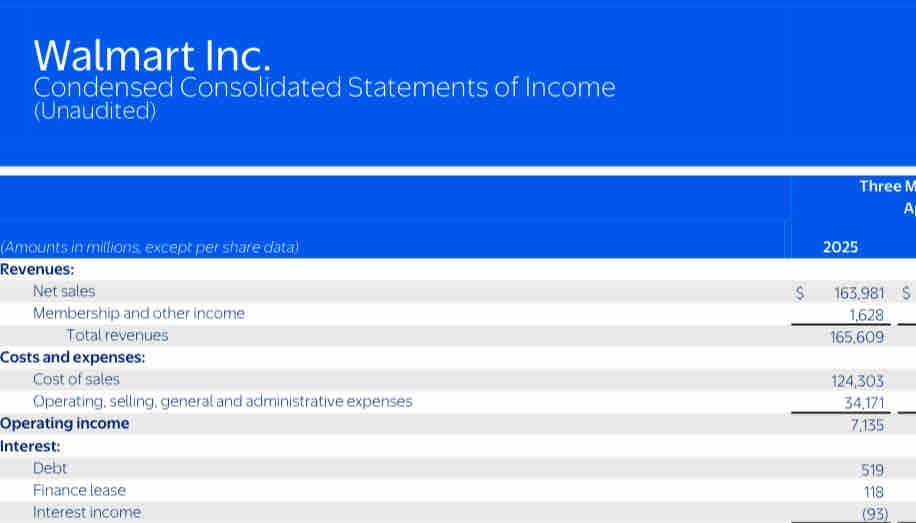
Today’s topic is going to be a little different, I wanted to talk about something I’ve added to my investing criteria when scanning businesses and doing research: Revenue Diversification and where a company’s revenue comes from. When you hear from rich people or even just most people online, you’ll often hear that the best way to make money is to start creating “income streams” for yourself. This means having multiple ways to make money and split it between different jobs/side work. This helps reduce the risk in your financial situation. If you lose one path of income, it’s only for example 20% of your income versus 100% of your income. If you lose a job or get laid off and it’s your only source of income, you’re doing a lot worse than if you just lost 20% of your income. This exact same concept applies to businesses. The goal of the business is to reduce as much risk as it can in every category while maintaining its goals and profit. This is true for revenue as well. A business will have different ways of receiving revenue from its target customer, usually as a product or service. For example, $WMT is a retail company that sells product on its shelves. The majority of the revenue it receives comes from the consumer buying product on its shelves. This is a highly diversified revenue source because there is no single business or person buying products at Walmart. The revenue is limited only by the number of people who shop there. As shown, their revenue in Q1’25 was $163 Billion. This all came from individual buyers, meaning if any one person decided not to shop at Walmart, it would barely affect this number. There are many other businesses like this with diversified revenue streams, think of any retail store, or fast food chains like McDonalds, Apple selling iPhones, Netflix subscriptions, you name it. So what exactly is the opposite of this? Well that would be “Revenue Concentration”. This is the other side of the coin, businesses where a lot of the revenue they generate comes from major sales or single big deals. This often comes from companies who sell big ticket items that aren’t for the average consumer or those with major contract deals as a revenue source. For example, $CAT is a manufacturer for large products such as mining and construction. Since the products are 10s of thousands of dollars, every individual sale is a lot more impactful than a retail customer. Even further, is the company who receive revenue from big contracts. $LUNR and $PLTR are examples of this: both of these companies receive major contracts either from the government or other organizations to complete a task. They receive a large sum of money to do one thing or provide one product. This can be great for investors meaning that you might see a large single day jump if a business like this receives a new contract with a high valuation. However, this comes with significant risk. The problem with not having diversified revenue is that losing a portion of it is much more impactful to the business. There’s a great example of this that just happened recently to a small cap Canadian company: Payfare. At the time (They have now merged with Fiserv) Payfare was working with DoorDash as part of their payment service. This contract made up over 70% of the businesses revenue. This was great, the business gave investors high returns through during COVID, however when it came time to renew a contract DoorDash did not renew it. So in September of 2024 the share price went from over $8 to just over $2. Just like that 75% of your value gone as an investor. This was all because of the risk that came with concentrated revenue. So what’s the takeaway from this? Well it’s simply one more tool or checklist to go through when doing your research. If you’re buying businesses you need to know where they generate their revenue. Now having revenue be diversified or not isn’t a guarantee of how a company does, it’s just one more thing to check. Diversified revenue can help mitigate future risk of the business if it’s not all in one area. However, sometimes companies that have single big contracts can generate bursts of high returns for investors. It can be very rewarding if the company performs, but it comes with significant risk. It’s important to know how easily your business might lose its revenue source and whether or not their income is secured. As always, do your research and happy investing! https://relatablefinance.substack.com
3,042 views
6 Comments
Jacob B
@jacobb · 1yr
Diversified revenue is always great as long as it feeds into one main dish. Quality is based on compounding power. Compounding power is based on longlasting ability to grow. The more revenue streams, the better able it can grow long-term.
Edmund Fong@albertacrude · 1yr
Revenue diversification is an extremely important risk factor that should not be overlooked. Just retired from the retail side of the wine industry in Alberta & see it first hand all the time. I have seen stores that „specialize“ in serving the low margin, labor intensive, high risk restaurant sector. They ignore the walk in retail sector 🤡Then they layer in more risk by dealing with chains of restaurants 🤪Guess what happened during Covid? Their business model blew up 💥Even before the pandemic, restaurants often changed suppliers like dirty shirts and leave you bag holding inventory. Never had the motto „don’t put all your eggs in one basket“ hold true. That applies to so many things in life, including revenue streams ✔️👍🏻
Alvaro Munoz@alvaro24 · 1yr
I'm long on $RKLB This is a good example of your post.
See the full comment section 👀Sign up for the full Blossom experience!