Why You Should Plan For A Much Longer Retirement 👴
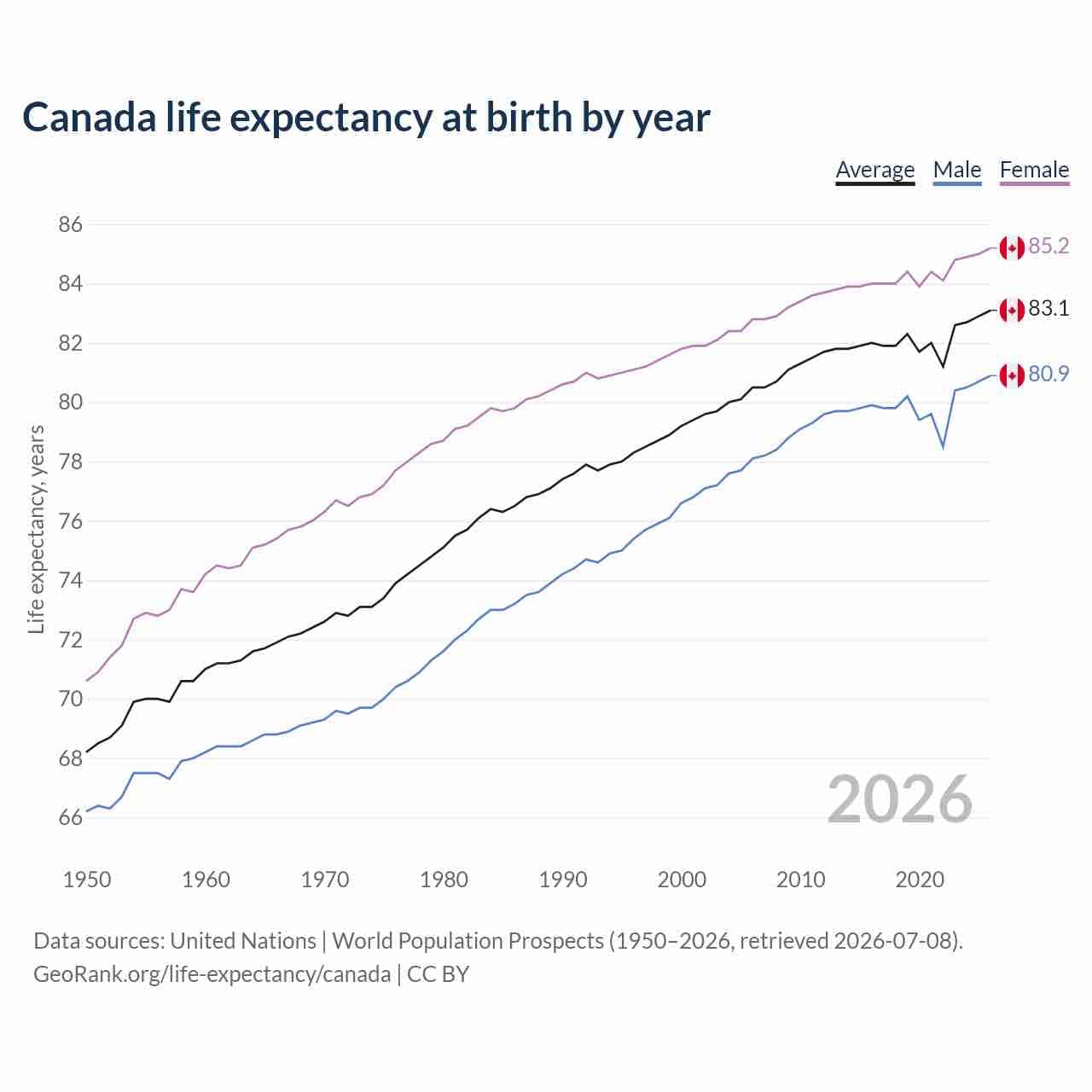
As my first post in the retirement topic, I wanted to revisit an important foundation for both new and old investors: You should always plan for a much longer retirement period than you think. Most people, and especially the younger investors, severely underestimate how long they’re going to be investing for. “Investing for the long-term” is what most people say they’re doing, but when you ask how long that is they’ll usually say 10-30 years. While that’s for sure a long period to invest for, your investments should continue much longer than that. For someone in their 20s who starts investing, did you know they’ll be investing for 60+ years? That’s a massive difference between what you might hear people say. If you own the S&P 500 it might be through an etf like $VFV, which has only been around for just over a decade. However, 60+ years of investing is as if you invested from the 1960s all the way until today. Or holding $VFV from now until 2086. Most publicly traded businesses haven’t even been around that long. If a 20 year old only invested for 30 years, he’d sell everything at 50 and likely run out of money before they’re 80. That’s not a great strategy is it? Now for someone who’s approaching retirement maybe in their 40s or 50s, those investments have to last you all the way until death. Assuming you don’t have a pension (and not counting CPP, OAS, etc. at the moment), you need money all the way until the end. According to the Canadian life expectancy stats, the average life expectancy in Canada is around 83 (both genders included). That means on “average”, most Canadians last until 83 years old. Sounds great right? Live a long life and plan to have your investments last until 83. Here’s the problem, what happens if you live past that? Maybe you have a grandmother who went until 100 or you have really healthy genetics, what happens when you’re now 83 years old? Or 85? Or 90? Or even 95 and above? That’s a whole 10+ years you didn’t plan for. This is why retirement planning is so important, it’s easy to plan your retirement if you die sooner, but what about it happening later? The risk of undershooting your life expectancy leaves you with 10+ years of potentially no money. This is where proper planning exists and how things like withdrawal rates or sequences of returns come into play. A number one rule is to plan for a longer retirement period than you expect. If you make the mistake of over-withdrawing from your portfolio in retirement, you may not have enough left for later potential years. There are many strategies to withdraw from your portfolio including from the kinds of accounts, but the key is to use as little as possible to match your desired QOL and lifestyle. This is why being flexible with your investments is key. A straight percentage for withdrawal may actually do you more harm. Markets have been very good and might lead some investors to over-withdraw thinking it’s sustainable. 8% withdrawal rates have been possibly lately, but what happens when the sequence of returns doesn’t come in your favour? Anyone who’s just starting retirement has likely seen their account increase far past what they withdrew. They might think this is sustainable for 20 more years, but what happens when that 20 years turns into 30 or 40? The longer your retirement, the more guaranteed you are to see a period of drastic underperformance from the market. Multiple years of double digit negative returns are very possible. This is where not undershooting your life expectancy matters. If you only plan to retire until 80 or 85, what happens if all of a sudden you live until 95 and that 10 year period is negative returns? Many worry about having bad years right when they retire, but what about the other years like nearing the end? If you undershoot your retirement, having horrible returns in those final years may be just as detrimental. If you withdraw too much too early, you might be stuck withdrawing far less or even not enough in those final years. This is why flexibility and changes in investment style/type is important. I see many investors planning a flexible withdrawal strategy such as taking out more in good years and less in bad, but I have one level of thinking deeper you should also consider: You shouldn’t just take more out because you made more. The question should actually be is taking out that extra money providing you with more memories, better QOL, or overall a better life? If the answer is no to all of those, then you likely should actually keep some of that money still invested. The larger your nest egg, the safer you are from sequence of returns risk. Retirement is complicated, and it’s important you get a full picture with as much estimates as you can. Something you should consider is actually learning about your family’s life expectancy to take into account into planning. And of course understanding your guaranteed versus supplemented income. Always ensure you know your CPP, OAS, Pension, etc. and how they mix with your own investments you drawdown. Hopefully this wasn’t too long-winded and provided some insight for those who are retired or planning for it, if anyone has specific retirement topics they’d like me to research and discuss I’d be happy to hear from you. As always, do your research and happy investing!
4,524 views
29 Comments
Catherine @ffcatherine · 19d
I plan to live to 100, but what if at 95 there’s a new advancement that you can buy back 20 yrs & become 75 again? lol Joking aside I never want to run out if I am blessed to experience this world into the 100+ & with a proper will in place if I do die in my 80s then my accumulated wealth can help my daughter & a few charities Hence the importance of re visiting & possibly editing the will every 10 yrs to try to align your wishes with your stated plan … Also if you can live a comfortable lifestyle with say 4-5% withdrawal one good yrs take out a bit more & throw into a safety bucket then you’ll be okay a few bad yrs without taking out at a depressed value ..
Alexey @a1exey · 19d
with all the new medical AI revolution promises we will never die and are going to work forever 😂
Not Financial Advice @anpc86 · 19d
^ 100% ^ Been going through the retirement planning process, it's looking like 95 is roughly what you financially target, and indications are soon we will need to push that number even higher. Going through the research and grilling, a lot of people don't even factor their house into their retirement plan and just let it go to their estate rather than utilizing it intentionally, when it's typically a lion-share of your net worth... Other nuance is factoring at the end for continuing-care, ~$60-90k/yr for ~85+ stage of your life. Or budget for medical tourism, there are serious advancements in cancer treatment that are no longer just for the elite uber rich... I talk to "FIRE" people and they just assume the living expenses they have now will just stay flat till the end and they are all good because they went to YouTube university and punched some numbers in a website that showed them the line will never go to zero, all good.
Michael Conroy@conroy119 · 19d
Excellent post! A long term plan is defintiely one of the keys. Most people dont think about retirement being 30+ years long.
See the full comment section 👀Sign up for the full Blossom experience!