These are the three biggest misconceptions I see on here when it comes to covered-call ETFs. I call them misconceptions because the fund companies themselves do not make these claims and, in many cases, their own material directly contradicts them. Fund companies are actually pretty clear on this. They consistently remind investors that yield is not the same as return, and that total return is the number you need to look at when evaluating how an investment is actually performing. So with that said, here are my top three. 1. A higher yield means you can spend more I put this at number one because I see a lot of people looking at the yield of a fund and making investment decisions based largely on that number. A higher distribution yield means more cash is being paid out per dollar invested, but it does not mean the investment is earning a higher return. A fund yielding 12% can still produce a lower total return than a fund yielding 4%. That is the distinction people need to understand: cash flow and investment return are not the same thing. A lot of people seem to assume that a higher yield automatically means they can spend more than a traditional 4% withdrawal rate. That conclusion is not supported by math or the fund companies themselves which consistently point investors back to total return, because that is what ultimately determines how much a portfolio can support over time. 2. If you sell shares, you will eventually deplete your account This one gets repeated all the time, usually because people focus on the number of shares being sold instead of what is happening to the total value of the portfolio. Selling shares is not automatically the same thing as consuming your capital. What determines that is the relationship between your withdrawals and the total return of the investment, not the yield. If your investment earns a 10% total return and you withdraw 6%, you can still end the year with more money than you started with. You may own fewer shares, but the shares you still own can be worth more. That is really no different from owning a covered-call fund that pays a large distribution and then reinvesting part of that distribution to maintain or grow your capital. Fund companies themselves make this point. Recently, Olivia Li, Portfolio Manager at BMO ETFs who manages covered-call funds, stated: “You can create essentially the same cash flow by investing in the underlying index and periodically selling a small portion of your holdings.” Jay Pestrichelli, Chief Trading Officer at Tidal, has made the same broader point: yield does not equal return, and investors need to look at total return when evaluating these products. If the investment earns more than you spend, your capital can grow. If you consistently spend more than the investment earns, you are consuming capital. It does not really matter whether that money arrived as a distribution or because you sold a few shares. 3. Covered calls let you retire with less This last one is probably the easiest to separate from what the fund companies actually say, because you will not see them promoting this idea. It is entirely a retail-investor claim. There are some people that argue that covered-call funds allow someone to retire with less money saved simply because the fund pays a larger distribution. But a 15% distribution does not suddenly give a smaller portfolio the same spending power as a much larger one. Someone with a $500,000 portfolio earning a 15% distribution is not automatically in the same position as someone with a $1 million portfolio simply because the cash yield is higher. The distribution rate tells you how much cash is being paid out. It does not, by itself, tell you how much the portfolio can sustainably support over time. There are no fund companies that are out there pushing this narrative or supporting it and when they are asked they bring the conversation back to total return. Those are the 3 big misconceptions that I see people spreading. In the end total return tells you what the portfolio earned. If you don’t want to spend down your portfolio you have to spend less than the total return. Covered calls change how the cash flow is delivered. They do not change the mathematics of total return. There are plenty of reasons people choose to be income investors, and many of them are perfectly valid. For anyone looking seriously at income investing, I highly recommend reading The Income Factory and spending some time reading or listening to interviews with the people who actually manage these funds. One of the things you will quickly notice is that many of the more outlandish claims made about income investing are not coming from the fund managers themselves. Now I imagine there will be people who disagree with this, and for those people I would say: go directly to the fund company and ask them. Does a higher distribution rate, by itself, allow you to sustainably spend more? Is selling shares inherently worse, from an economic standpoint, than receiving the same amount of cash through a distribution? Can a covered-call fund with a higher distribution allow you to retire with a smaller portfolio? And share the answers they give below !read more
After years of saying I would never buy bitcoin and a single stock etf I have made the move. This does not mean the flood gates are opening up in this regard. Giving myself some exposure where I think it makes sense. https://youtu.be/29Cc7VVgPdo?si=fi5vHkdP4EBPbj7g
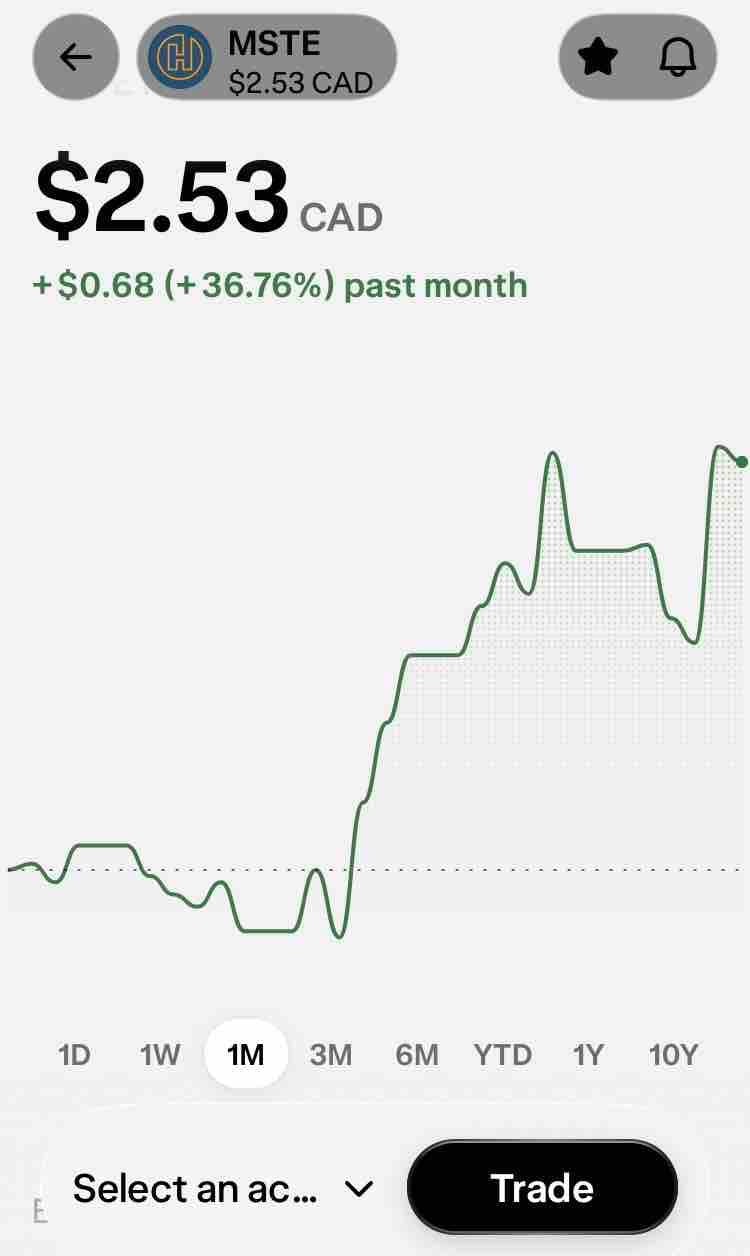
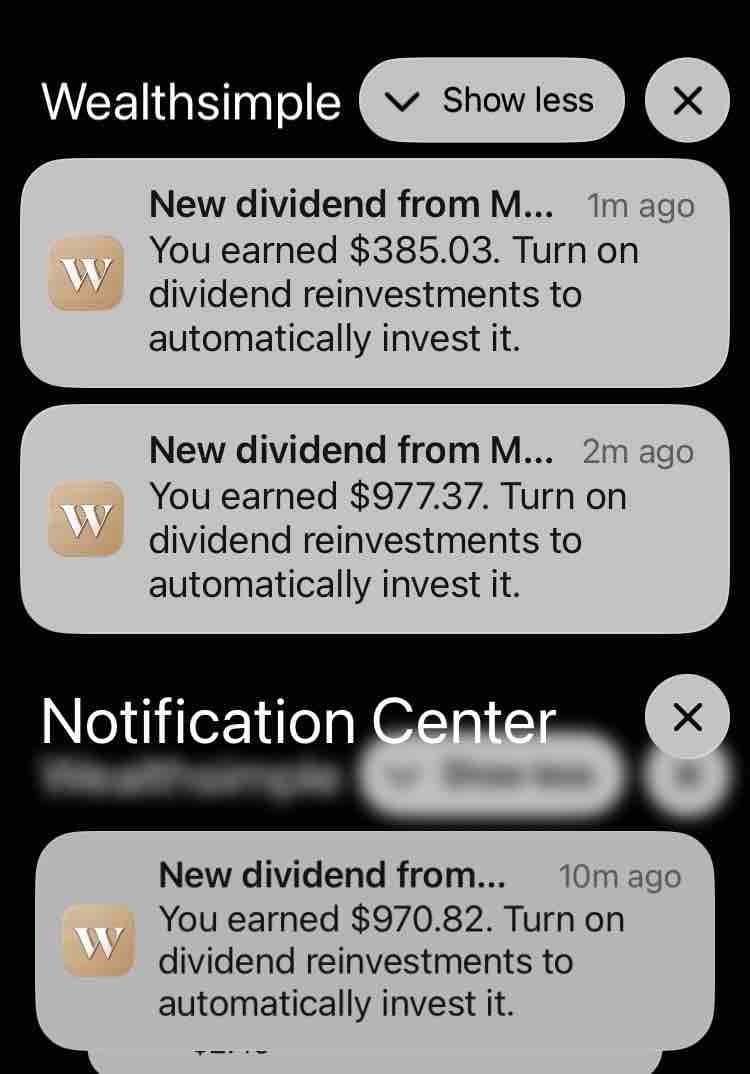
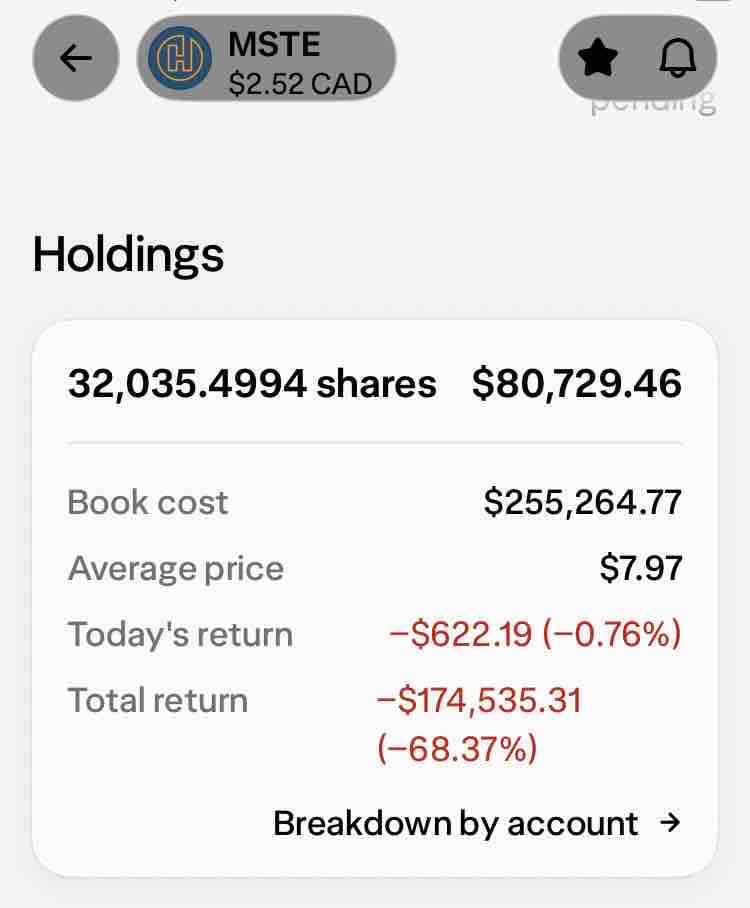
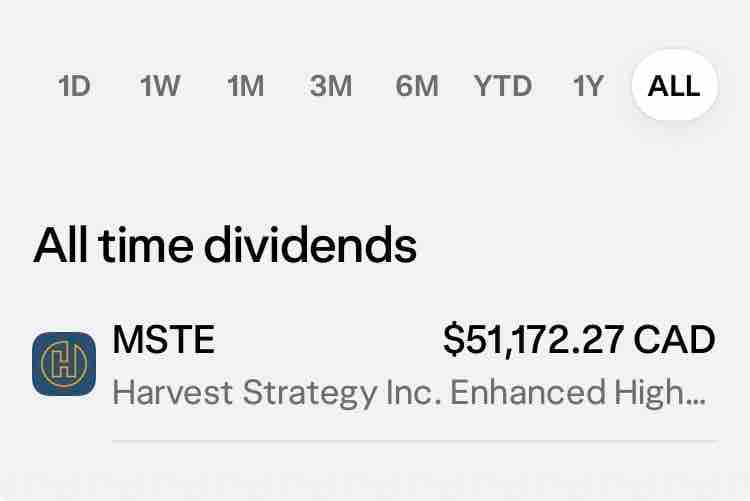
Here is the monthly update as promised. I apologize for the delay, I have to make this post after my 12hr shift, I couldn’t find the time earlier. Finally I have some peace now to write this post,after all my kids went to bed. Today was Harvest's payday. I recieved $2,333.22 in distributions from MSTE based on the recent distribution cut to $0.075/share. The recent distribution cut didn't feel good tbh but I understand the reasoning behind the cut, it is to protect the NAV of the fund. Harvest can write more OTM calls allowing MSTE to capture more of the upside when the underlying MSTR rips 🚀. Even with the distribution cut,the yield is still pretty high. I reinvested all the distributions back into buying more MSTE shares. Now I have 32,035 shares with an ACB of $7.97. Since all my registered accounts are maxed out for this year, I am only relying on reinvesting the distributions, to lower my ACB. So far I have been able to bring the ACB down from $19 to $7.97, thanks to the BTC bear cycle. The realistic goal for the end of this year is to get to 35,000 MSTE shares and possibly lower the ACB even further. So far MSTE has paid me $51,172 in distributions. Despite the juicy premuims, I am still 6 figure in the red 😂, it's the same old story of my life 🙈.You can see all the proof in the pics attached below. 2 months ago I was down an eye watering -$200,000 and a laughing stock of Blossom. Currently I am down -$174,500 and still a laughing stock 😂🤞 I guess. That's an improvemt of $25,500, not including the distributions. The numbers look much better if you add in the distributions received to calculate the total returns more accurately. But I am lazy and tired, ain't Nobody got time for that, lmfao😂. I am sure there are many smart people here on Blossom, who will be able to calculate the total returns far more accurately than I can. Honestly at this point I don't care, one day I will see GREEN 🟢, its been soo long seeing just RED 🔴. Recently $BTC ,$MSTR/ $MSTE have been on a 🚀 tear lately and I am loving it. Hopefully this upcoming bull run for the next 3 years will bring outsized performance to my portfolio and I get to see new ATH 🤞 My conviction in MSTE still stays the same, I am one stubborn Bull 🐂, I dont panic or budge from my conviction / decisions that easy. I have already crashed and burned, now it's time to rise from the ashes and shine bright like a Diamond💎 🙈 lmfao 😂. Fair warning 🛑🛑, never follow me, just enjoy my roller coaster journey, or you will get burned. I have no finance background to back my investing decisions. Nor will I ever ask you to buy my MSTE 101 course for a small fee / donation of $1000 lol 😂😎. You can enjoy my endless rants for the upcoming few years for free, till I am officially in the GREEN. Tread these crocodile ($MSTE)infested waters carefully at your own risk. I wonder how the portfolios of other MSTE whales of Blossom @garygill@adrian_pii@monthlymint@ccetf@anbha@onmargin and many others that I can't even recall are doing. I am just a small tuna fish compared to them. Anyways that's it for this update, I am tired now, goodnite 💤💤 See you next month with another update, till we meet again, stay Blessed and keep hustling.read more
Hey everyone, some of you might have noticed that I haven't been actively posting on Blossom. There are a couple of reasons behind it; 1) I am not a big social media user, I quit social media during my university days. I have no facebook, instagram, tiktok, snapchat etc, I only use youtube for entertainment and that's about it. I don't even have any streaming subscriptions. 2) When I started posting here, I gave Blossom a shot after being away from social media for 14 years, because I was home on parental leave.I had nothing better to do and had too much free time other than changing diapers 😂lol. 3) My parental leave ended and I have since then returned back to the grinding 12hr shifts in healthcare. I can't wait to get to my FIRE 🔥 💰 number and call it quits. 4) I am an introvert by nature and a very private person in general, so this kind of portfolio transparency also made me feel alot vulnerable/ exposed, although my portfolio is nothing to even brag about tbh, but still many of you decided to follow my journey for which I am truly humbled. 5) I personally enjoy being an obscure anoynomous online entity, lurking in the shadows. I don't enjoy the spotlight. If you are really interested in following my journey, based on your feedback in the comments, I may continue to do my monthly MSTE portfolio updates along with other etfs that I might buy in the future. Although I am not very keen on doing them anymore. I am even thinking of unlinking my Wealthsimple accounts, and just keep this account private as an occasional lurker on Blossom. There is a certain level of satisfaction in being anonymous and being private about your financial journey and progress. Here on Blossom, for some I was the guy with balls of steel for going all in on $MSTE and to others I was just seen as a degenerate gambler burning away my hard earned money. Eitherway $MSTE / $MSTR and $BTC have been on a tear lately, I don't think I need to say anything more about it🤫ssssh. Yesterday's shitty investment might be today's gold mine , this bull run will eventually be the decisive factor that rises my portfolio from the ashes and bring it to new all time highs, within the next 3yrs🤞hopefully. I was never a financial guru/expert nor do I ever intend/claim to be one. I enjoy being an Average Joe. I look forward to your comments and feedback and we'll go from there. That's all for the update. Adios amigos 🫡 stay blessed. Cheers read more
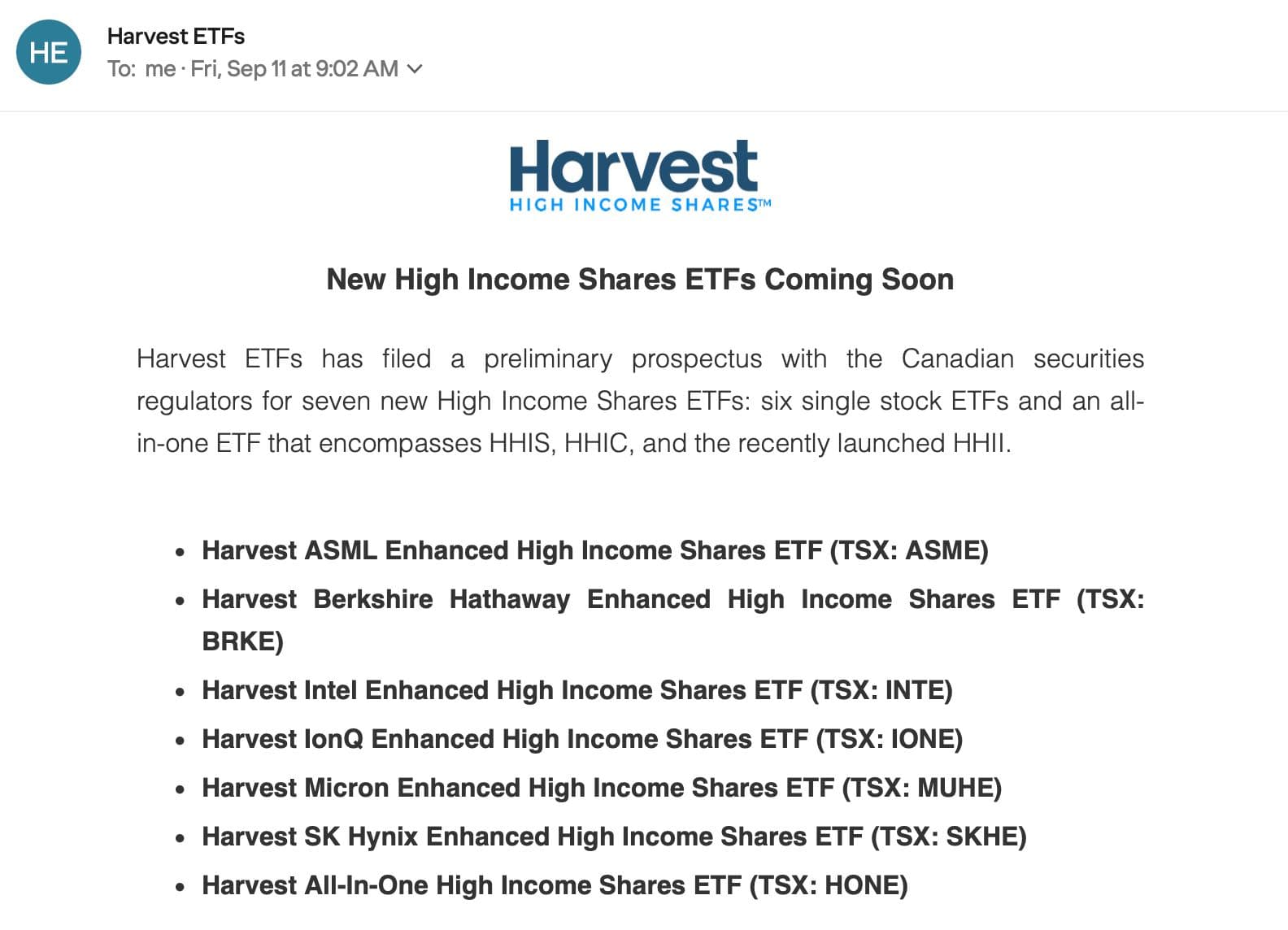
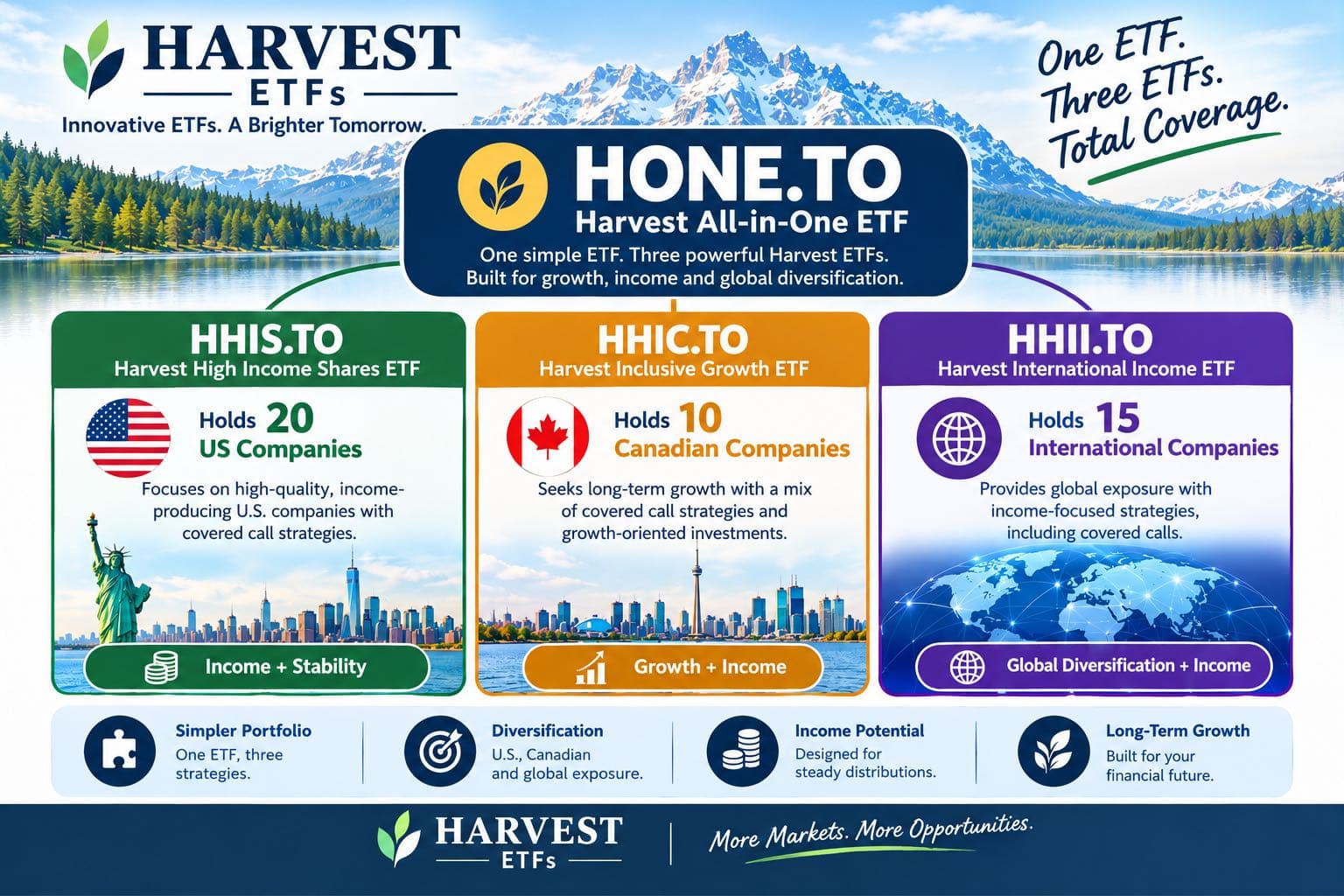
A BIG ANNOUNCEMENT from Harvest, and it looks like they will be releasing soon some new single stock ETFs and an all-in-one ETF of their very popular High Income Shares ETFs! 💥 Harvest ASML Enhanced High Income Shares ETF (ASME) Harvest Berkshire Hathaway Enhanced High Income Shares ETF (BRKE) Harvest Intel Enhanced High Income Shares ETF (INTE) Harvest IonQ Enhanced High Income Shares ETF (IONE) Harvest Micron Enhanced High Income Shares ETF (MUHE) Harvest SK Hynix Enhanced High Income Shares ETF (SKHE) .. and what you've been waiting for! Harvest All-In-One High Income Shares ETF (HONE) This will be what many passive income investors would be looking at, for a simple way to gain direct diversification in one ETF product. The initial holdings will include the following: - Harvest Canadian High Income Shares ETF (HHIC) - Harvest International High Income Shares ETF (HHII) - Harvest Diversified High Income Shares ETF (HHIS) There's no mention of what the allocations will be, but I would assume that HHIS would be the largest slice, followed by HHIC and then HHII. My random guess might be similar to BIGY where it'd be approximately 45% HHIS / 30% HHIC / 25% HHII? By bundling these all together, you would get a basket of 45 total holdings: - HHIC has 10 Holdings - HHII has 15 Holdings - HHIS has 20 Holdings Typically these are filed about a month before they finally start trading, so we can likely expect this to come out somewhere towards the end of October at the latest. ➡️ What would be your guess or desired allocations of the 3 ETFs? Comment down below! .read more
In recent months I've been day trading and jumping from one CC ETF to the next CC ETF. Yesterday, though, my wife and I bought about 31,000 shares of $ECHI and now we're just going to sit back and let the distributions pay the bills. If all goes well we won't touch it but I won't hesitate to trade it for another ETF or go 50/50 with another one if the solid Canadian companies that it holds suddenly become not so solid. * I'm 58 and retired and this is my only source of income so I'm not interested in holdings with expected long-term growth, I'm looking for immediate cash. 💰💰💰
3 years ago this month ... two major life events happened to me... I retired after a 37 year career... and in the same year 8 months before I retired... I decided to TOTALLY OVERHAUL all my bank manged portfolio into my PIIVERSE Income portfolio... including commuting my pension into it. looking back after 3 years... my retirement transition journey... and how my income portfolio has been successful beyond what I imagined... https://youtu.be/Y4ePJ27XlXE
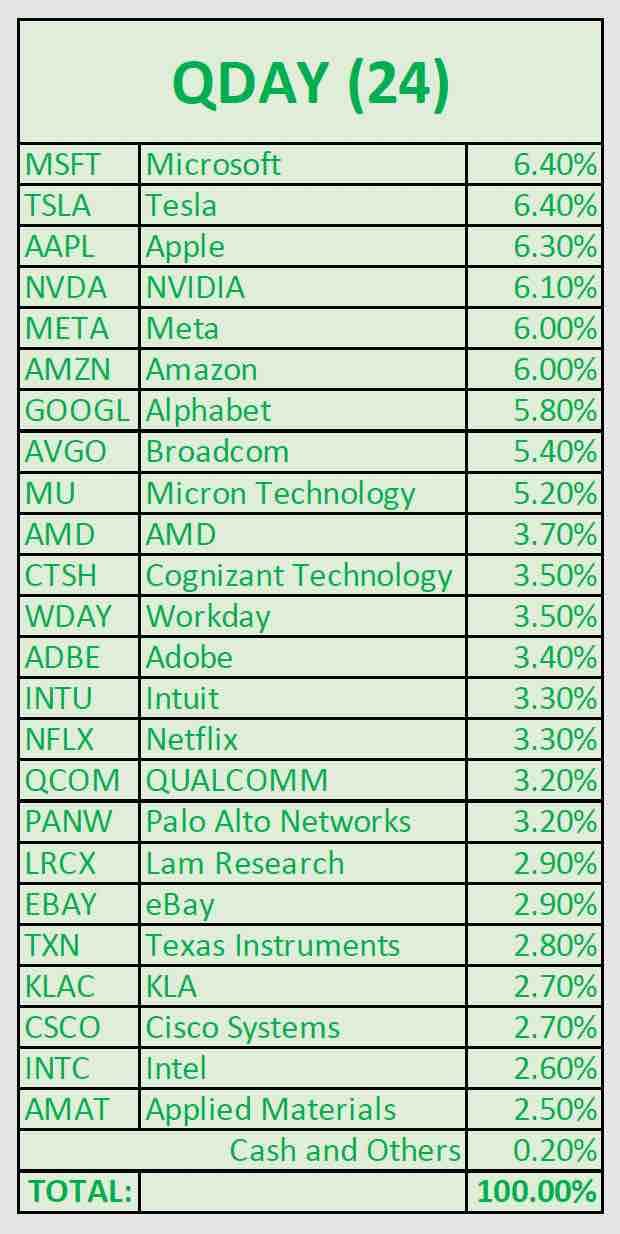
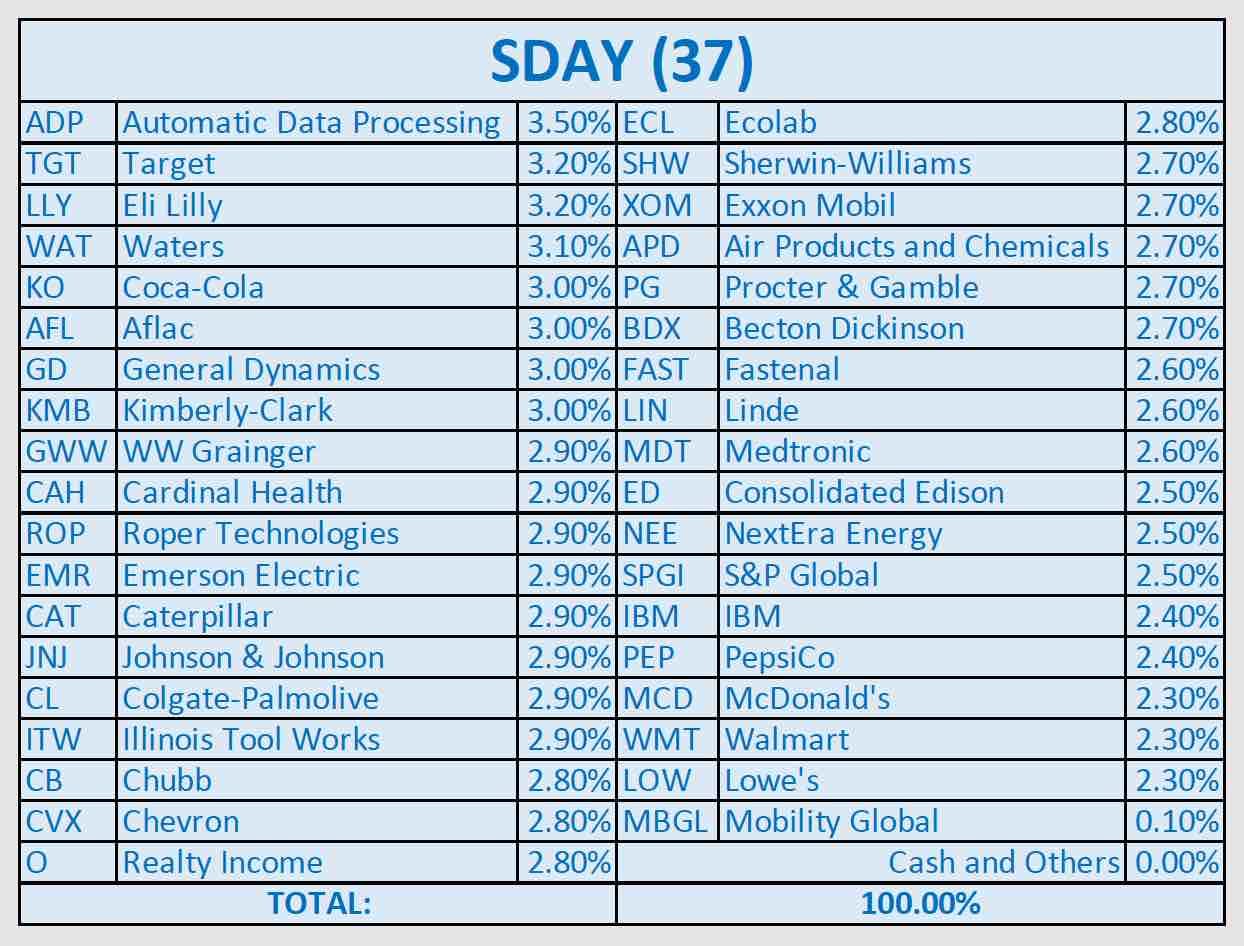
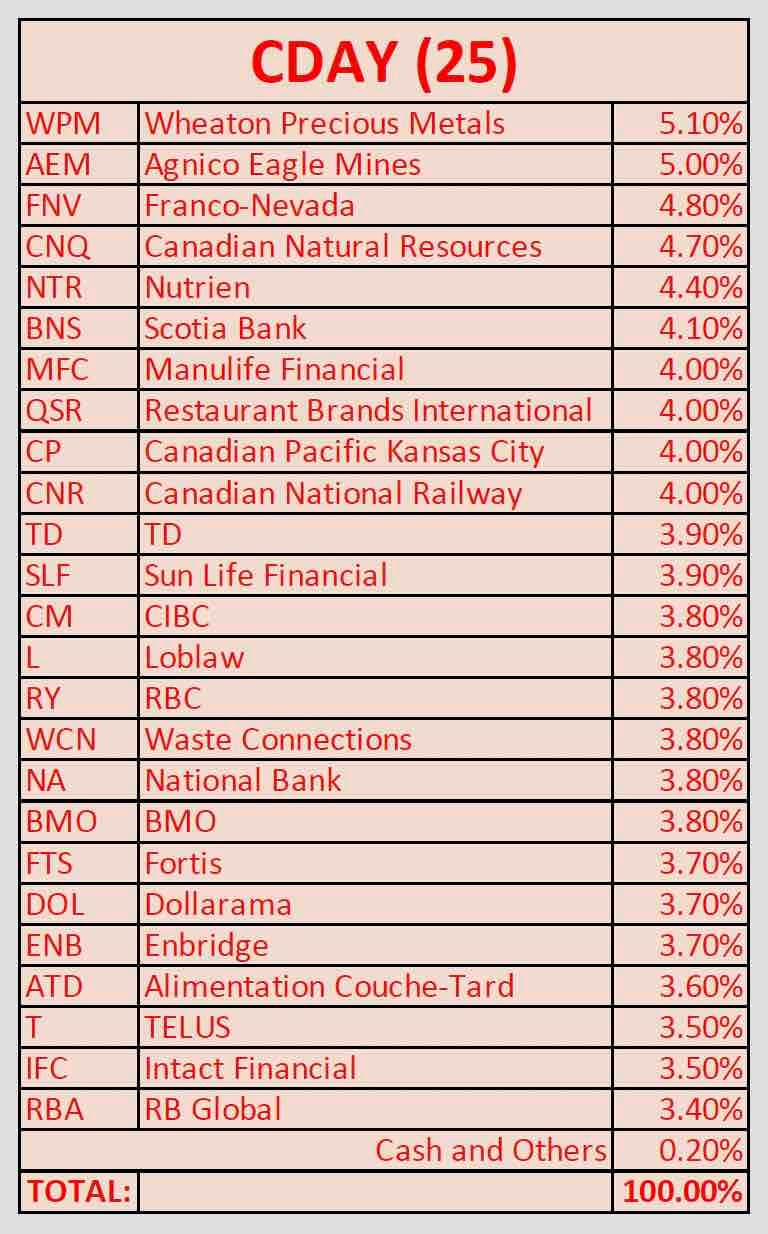
Rebalancing Update (As of Sep 14,2026) : $QDAY removed Electronics Arts (EA) from its holdings, which brought down from 25 to 24. $SDAY added Mobility Global (MBGL) to its holdings, which brought up from 36 to 37. No changes to its holdings in $CDAY. Still has same 25 holdings. But the equity allocations for all 3 ETF underlying has changed quite a bit. Refer to the Table attached…
The 4% rule was recently discussed and Ive also seen some misconception when it comes to safe withdraw strategies in retirement...the basic idea is pretty simple: If you have $1,000,000 invested, a 4% withdrawal rate means taking roughly $40,000 in your first year of retirement, then generally increasing that dollar amount with inflation. The research behind the 4% rule was built around roughly a 30-year retirement and a diversified portfolio. It's not a guarantee that your portfolio will earn 4% every year. It's a historical framework for surviving market crashes, inflation and different sequences of returns. But here's where I think some investors get confused. I've been seeing investors in covered-call ETFs saying things like: "My fund yields 8–10%, so I can withdraw 6-8% and still be fine." I don't think that's the right way to look at it. An 8–10% distribution does NOT mean your portfolio is generating an 8–10% total return. Covered-call ETFs generate income by selling call options. That can create a large cash distribution, but you're giving up some upside potential in exchange for that income. And some distributions can also be classified as return of capital, which isn't the same thing as the portfolio actually earning that amount. That's the part that can create a false sense of security. You see $10,000 deposited into your account and think "I'm living off the income. I'm not touching my principal." But the more important question is? What happened to the total value of my portfolio after that distribution? Cash flow ≠ return. That's why I personally don't want to build my retirement around chasing the highest possible yield. I've been seeing people talk about withdrawing 5%, 6%, 7%+ as if it's automatically sustainable because their ETF is distributing that much. It can work in certain circumstances. But there's a huge difference between: "My ETF pays me 8%." and "My portfolio can sustainably support an 8% withdrawal rate for the rest of my life." Those are two completely different things.The biggest problem with a high withdrawal rate is sequence-of-returns risk. Imagine retiring with $1M. If the market performs terribly during your first few years of retirement while you're withdrawing 6% or 7% every year, you're taking money out while the portfolio is down.That can permanently damage your portfolio's ability to recover. And the longer your retirement is, the more important this becomes. Obviously, real retirement planning is more complicated than multiplying your portfolio by a percentage. Taxes, pensions, CPP/OAS, inflation, asset allocation and spending changes all matter. The 4% rule isn't a magic number either. It's a guideline based on historical outcomes. For me, I'd rather build a portfolio large enough that I only need to withdraw 3-4%. And hopefully a much better chance of never having to worry about running out of money. The goal isn't just to retire. The goal is to stay retired. Hope this made sense and Happy Monday. read more
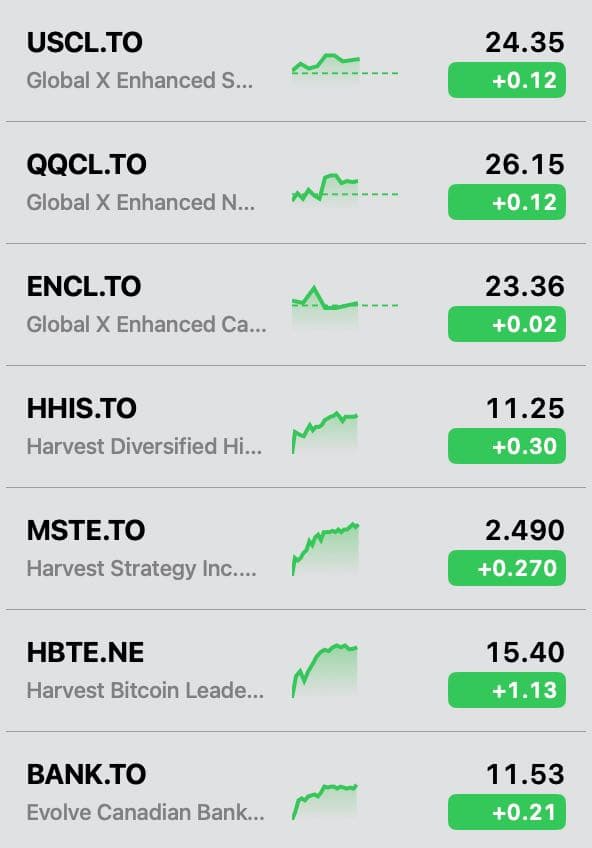
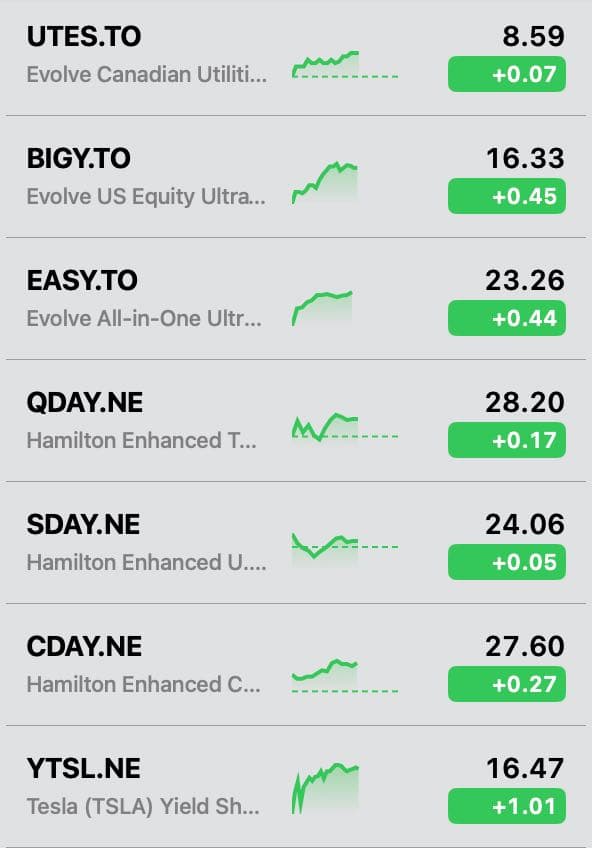
Got paid Friday after market close so I decided to make some buys this Monday morning. My buys for the day: $HHIS - 268.1 Shares @ $11.19 = $3000 $BIGY - 185.8 Shares @ $16.15 = $3000 $XEQT- 24.3 Shares @ $45.19 = $1100 $QDAY- 14.1 Shares @ $28.30 = $400 $UTES- 35.9 Shares @ $8.36 = $300read more
Almost 4 months into building my income portfolio and I have officially reached my goal of $1000 per month in distributions. This was intended to be a 6 month project but I’ve been working like a madman and I’ve reached my goal 2 months early. Now that I have reached my income goal I will be shifting my focus to growth. From this point on I will no longer be contributing to $HHIS & $BIGY, I will just hold my current position and do as I see fit with those distributions each month. I will also no longer be contributing to $HDIV$QDAY$CLSA$UTES$CMCL & $HBTE but leaving them on drip to let them snowball on autopilot. From this point moving forward all future contributions to my portfolio will be going directly into $XEQT for stable diversified long term growth on top of my solid income sleeve. I would love to hear your thoughts…
I just received the fourth round of distributions from my new income portfolio and here’s the stats for month 4: $HHIS - $444.98 $BIGY- $88.33 $HBTE- $51.61 $CLSA- $41.95 $UTES- $28.54 $BANK- $24.70 $HDIV- $20.46 $QDAY- $18.33 $CMCL- $9.33 Pending (BIGY, QDAY, CMCL) - $115.99 Total = $844.22 The goal is to grow this number to $1000/m by the end of the year. Do you think I can do it? 🤔 read more
Ok, that’s fine. Then what is a sustainable distribution? Based on the underlying holdings, the allocation of funds, the real-time and projected performances of said holdings, options premiums generated, capital gains on exercised options. What is the number? If I make it a rule that forever and always 50% of the distributions go right back to reinvesting into the fund is it now a 14% yielding ETF? Maybe it needs to be 60% so now it’s a 11% yielding ETF. If I’m forever and always reinvesting a portion of the distributions back into the fund so my share count is continuously growing does that mitigate potential risks? If I realize that time is still a factor and I invest a portion of the distributions into a growth or index fund with the purpose of realizing future gains to re-charge the CC ETF, does that mitigate further future risks? If I safely and selectively use margin to further fund my account and reinvest into the ETF does that again mitigate potential risks? I guess we’ll find out but these are some of the things I am doing, will be doing and monitoring (among other things). $HHISread more
(for anyone who doesn’t live in options-land) A normal stock ETF: You own the stocks. Market up $10 → you keep $10. Market down $10 → you lose $10. Plus a little dividend. A regular covered-call ETF: Same stocks, but the fund sells “if it rips higher, you can have that extra bit” contracts. You get cash every month. You give up some of the rally. DayMAX does that idea differently. 1. They sell calls that die the same day Written in the morning. Dead at the close. ~250 times a year instead of 12. 2. They don’t sell calls on the main stocks $CDAY • Owns Canadian dividend champions ($CMVP) — no calls • Extra slice: S&P 500 ($VOO) • Sells same-day S&P 500 calls on that slice only $SDAY • Owns U.S. dividend champions ($SMVP) — no calls • Extra slice: S&P 500 ($VOO) • Sells same-day S&P 500 calls on that slice only $QDAY • Owns big U.S. tech ($QMVP) — no calls • Extra slice: Nasdaq-100 ($QQQM) • Sells same-day Nasdaq-100 calls on that slice only Why the U.S. index sleeve? Same-day options are liquid there. Not on the TSX names. 3. Overnight is uncapped Calls expire at 4pm. Gap up tonight? The whole fund keeps it. Most monthly covered-call funds stay sold overnight for weeks. House + parking-lot version The house = the dividend / tech stocks. Yours. No calls. The parking lot = the extra S&P or Nasdaq slice. Every morning they sell one-day parking passes and collect cash. After dark the pass is worthless. They borrowed a bit to make the lot bigger. More daily cash. Also more bounce on that lot. What you get Fat semi-monthly cheques (lately high-teens yield). Stocks that can still go up. 0.85% fee. What you give up A rip-roaring up day on that 25% index sleeve? Some of it got sold. Leverage cuts both ways. In a melt-up, a plain stock ETF can win on total return. In chop, the daily cash usually looks better. One line Own the good companies uncovered. Borrow a little. Sell today’s upside on a small S&P or Nasdaq sleeve. Get paid twice a month. Keep the overnight. read more