📊 A Lesson About Timing, Patience and Conviction
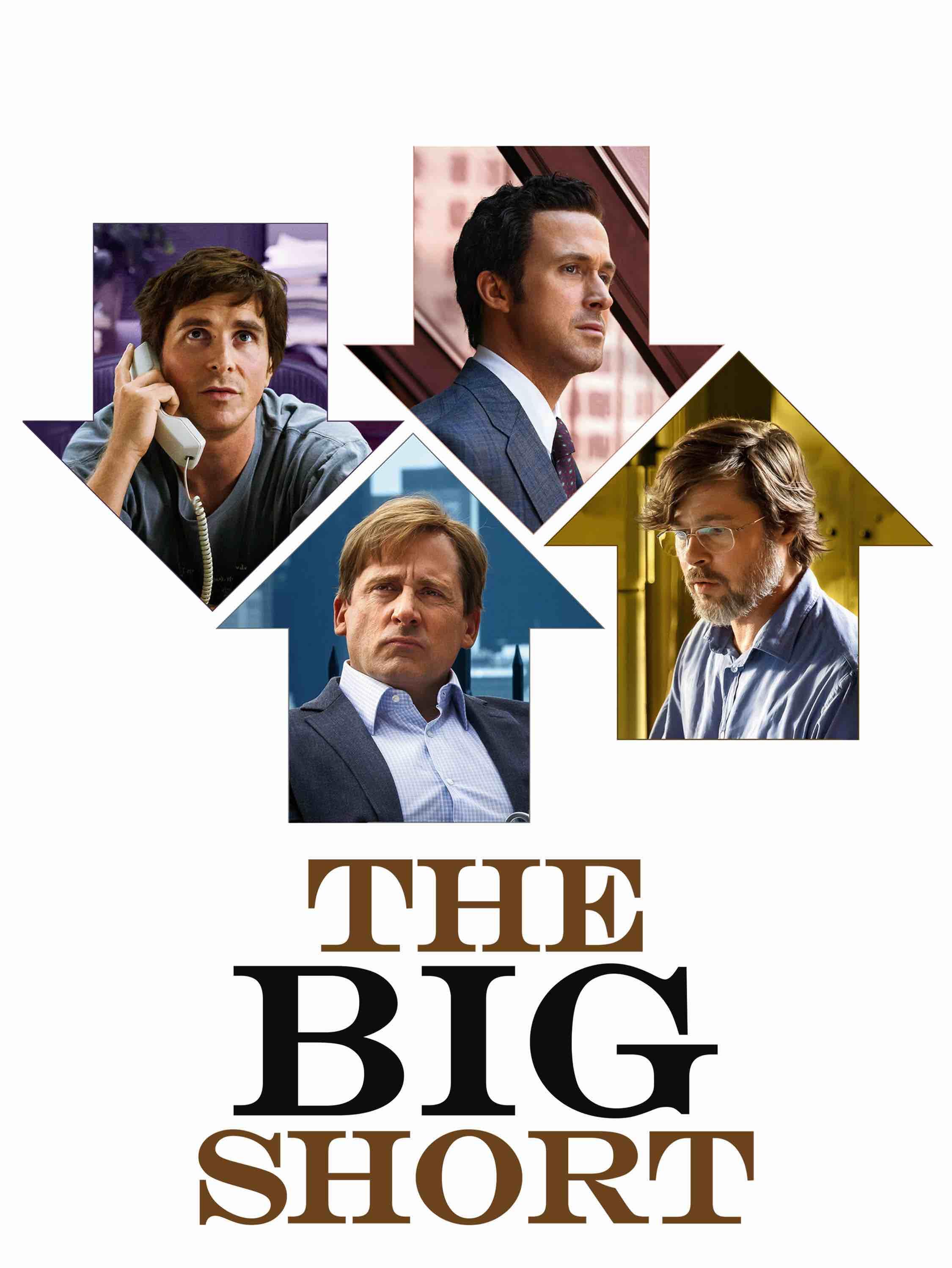
I watched The Big Short again, and there’s something about that movie that I think everyone involved in the stock market should take a moment to understand.
For those who haven’t watched it, the movie tells the story of two young investors, Jamie Shipley and Charlie Geller, who learned about an opportunity to bet against the housing market and decided to investigate it further. While most people believed everything was fine, they started looking deeper into what was happening beneath the surface.
They did their research, questioned what the majority believed, and made a decision that many people thought was crazy. They eventually placed a massive bet against the housing market using credit default swaps. When the housing market collapsed in 2008, their research paid off.
But here’s why I’m bringing up this movie today.
Look at what’s happening in our stock market right now. We’ve seen a serious selloff, particularly in technology, semiconductor, and AI-related stocks. Investors are questioning valuations, worrying about how much companies are spending on AI, and reacting to uncertainty around interest rates. Even some of the biggest names in the market have experienced considerable declines.
And this is where I believe the real lesson comes in.
When the market is going up, everybody feels like a genius. Everybody wants to buy. Everybody is talking about the next big stock.
But when the market starts falling, people begin questioning their investments. Fear starts driving decisions, and suddenly nobody wants to talk about buying stocks anymore.
That’s when you need to understand the difference between a falling stock and a good buying opportunity. They are not always the same thing.
The lesson from The Big Short isn’t that you should bet against the market or try to predict the next crash. It’s that you should never stop thinking independently, doing your research, and questioning what everyone else takes for granted.
Sometimes opportunities come during market uncertainty, but not every dip deserves your money. Some stocks will recover, while others may continue falling. Your job is to know the difference.
As traders, we cannot control the market. We cannot control the headlines, interest rates, or institutional money. But we can control our preparation, our risk, our patience, and our decisions.
Remember this: The market doesn’t owe anybody a profit. Your job isn’t to predict every move. Your job is to be prepared, protect your capital, and recognize opportunities when the numbers and the market give you a reason to act.
Stay disciplined. The next chapter of the market is still being written.