10 ETFs I'd be comfortable buying and holding for decades without worrying 😴📈💰 $VOO Vanguard S&P 500 ETF $QQQ Invesco QQQ Trust $SCHD Schwab U.S. Dividend Equity ETF $VIG Vanguard Dividend Appreciation ETF $OVL Overlay Shares Large Cap Equity ETF $SPYI NEOS S&P 500 High Income ETF $FDVV Fidelity High Dividend ETF $DIVO Amplify CWP Enhanced Dividend Income ETF $QQQI NEOS Nasdaq 100 High Income ETF $SCHG Schwab U.S. Large-Cap Growth ETF Which here is your top pick? 📈👇read more
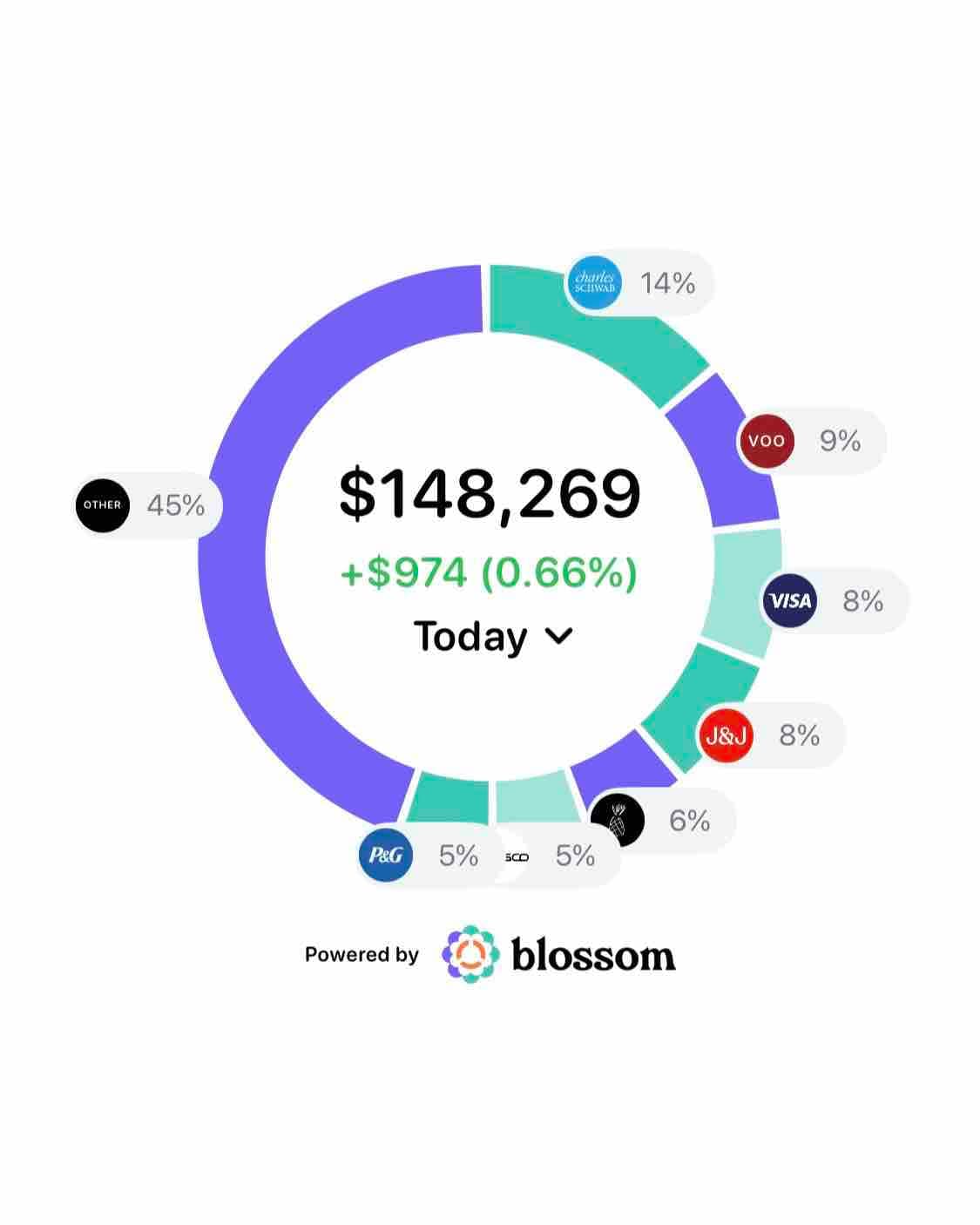
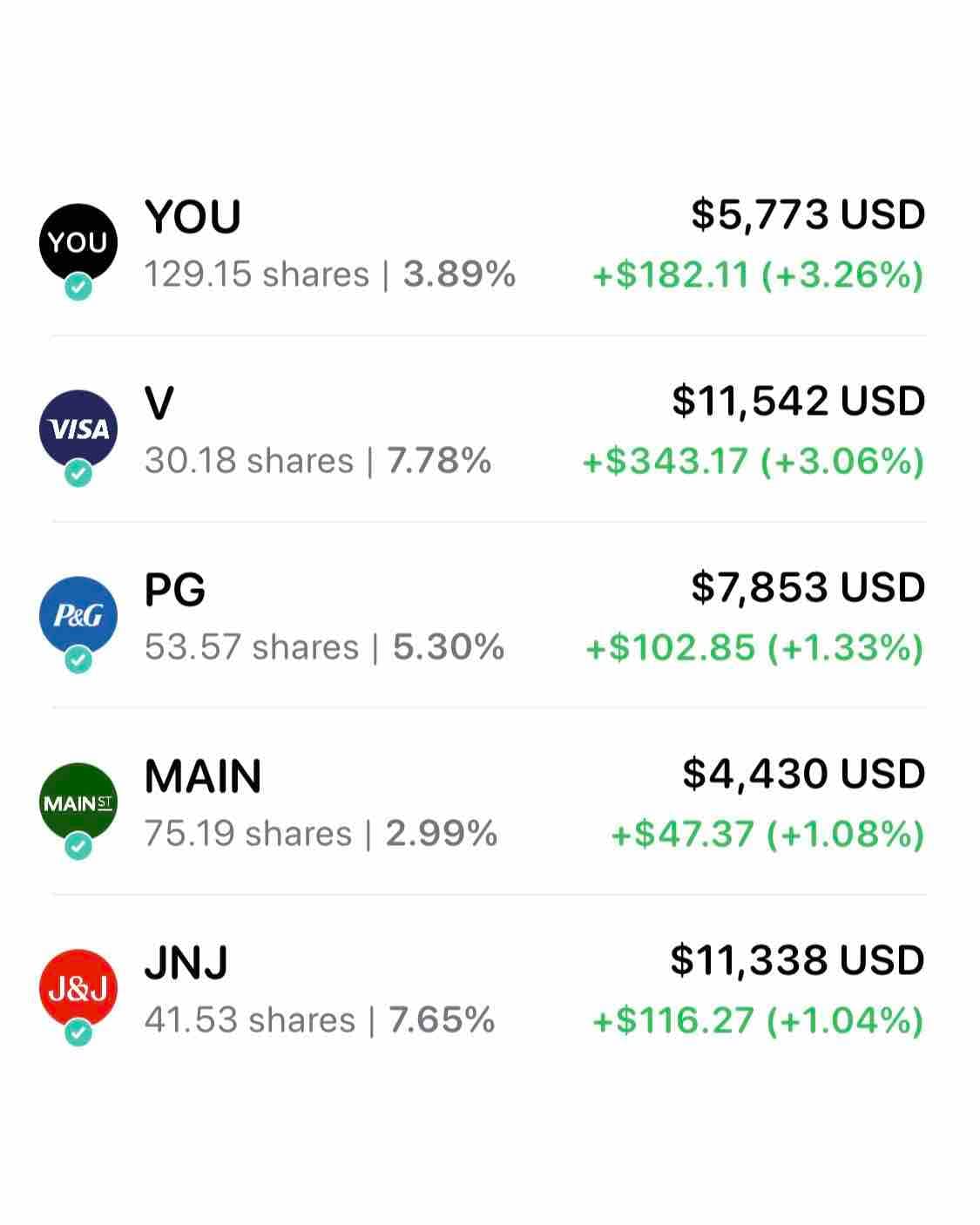
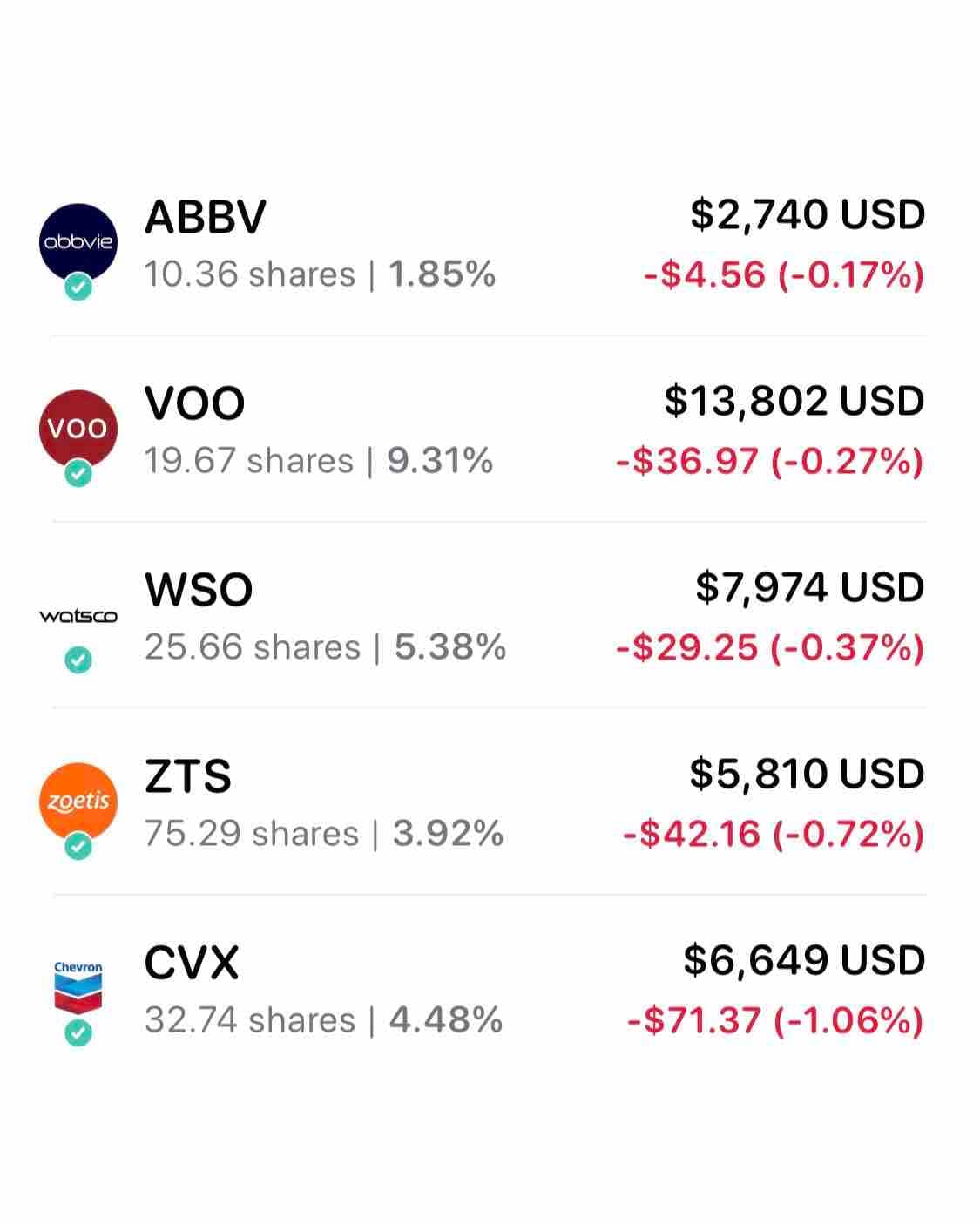
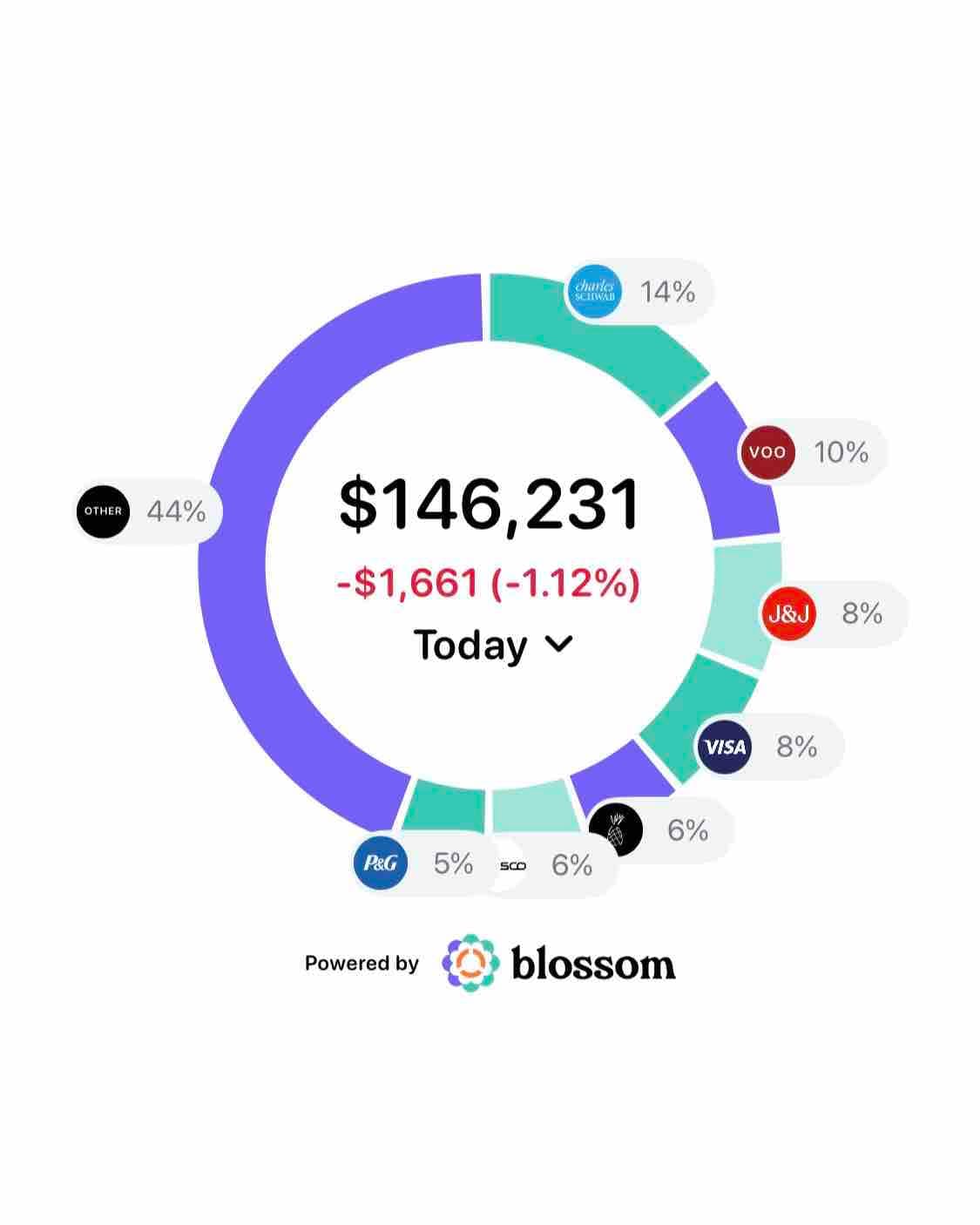
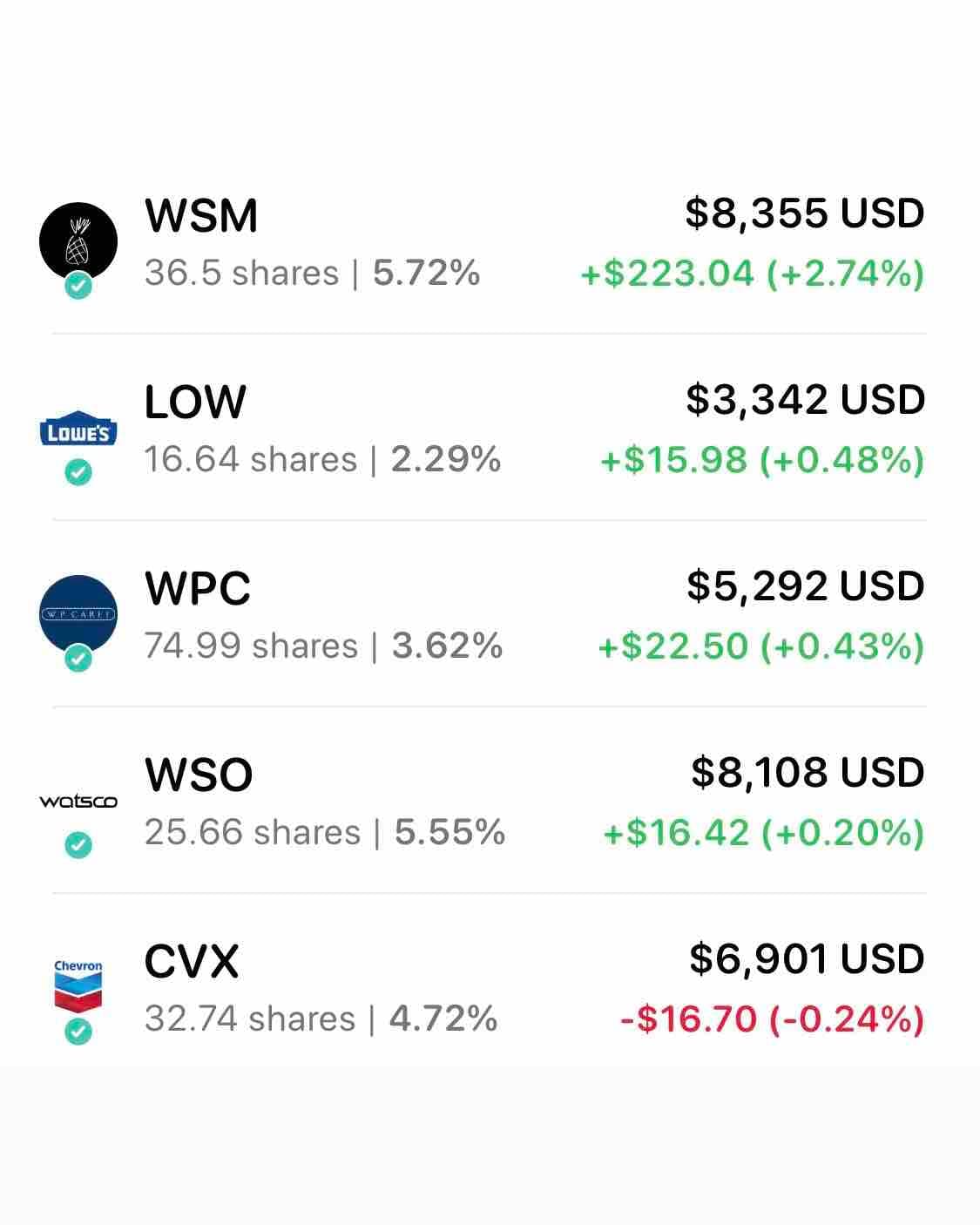
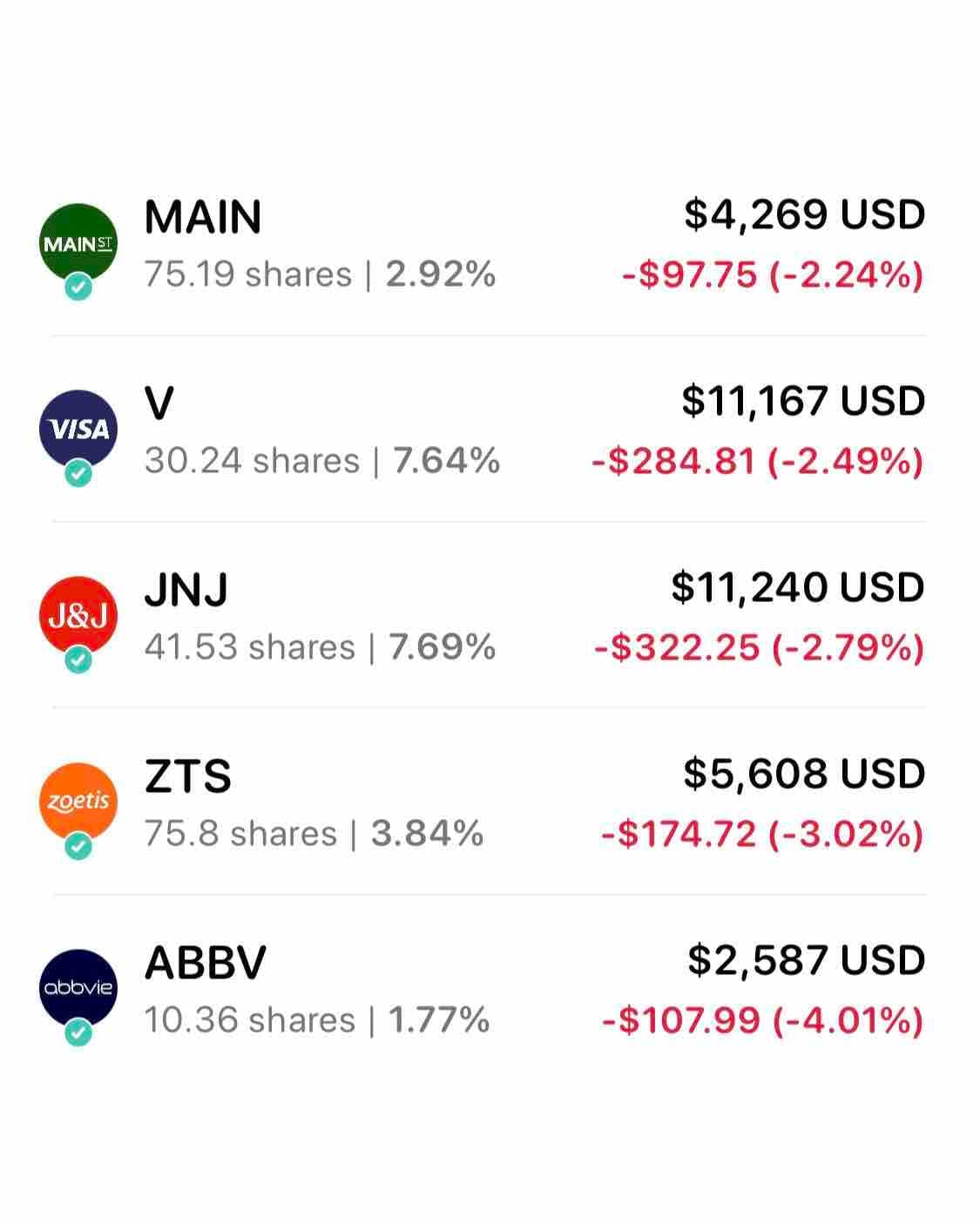
I’m probably going to jinx it by saying this, but I don’t know guys, this could be the week we see $150,000 in the portfolio. It has to happen eventually, right? 😅 What were your best and worst performing stocks today? Let me know in the comments! 👇
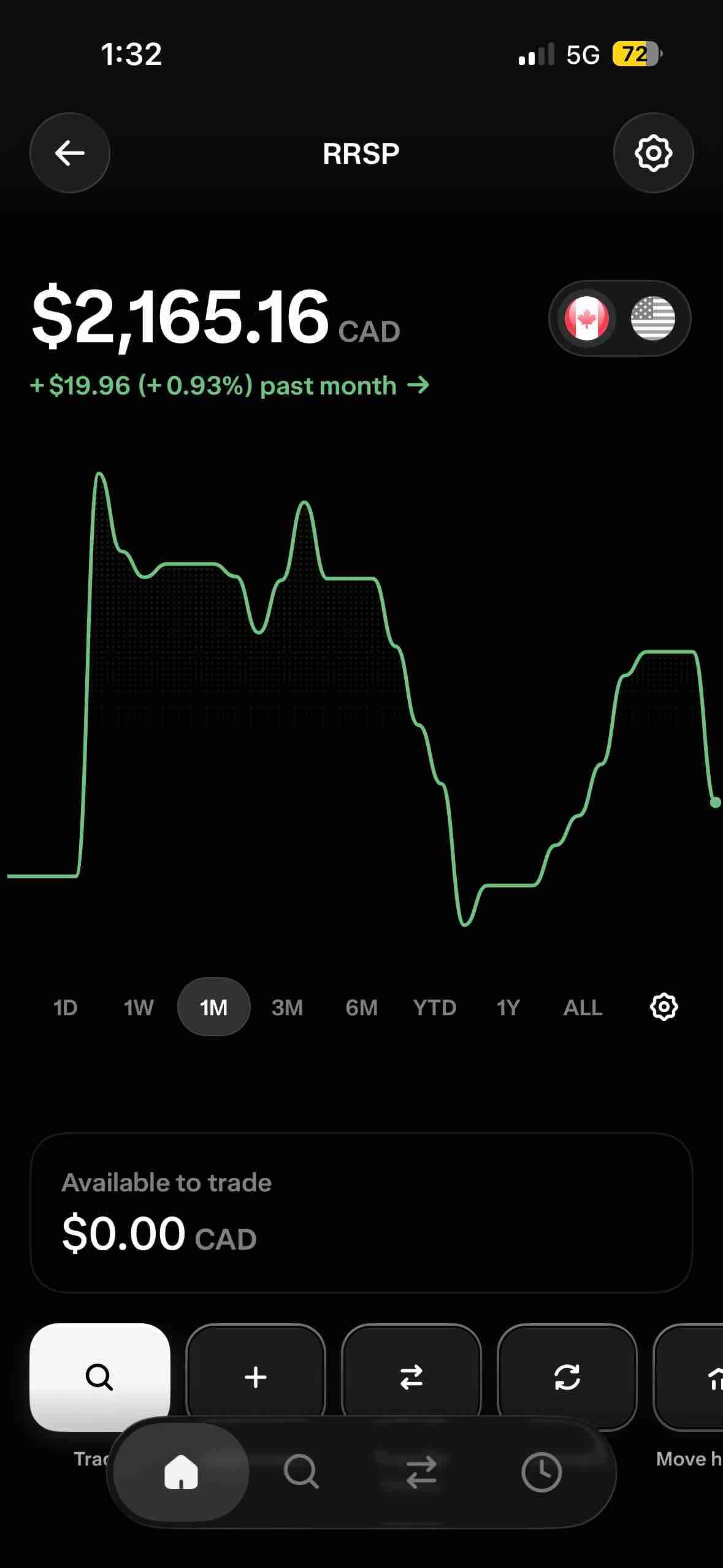
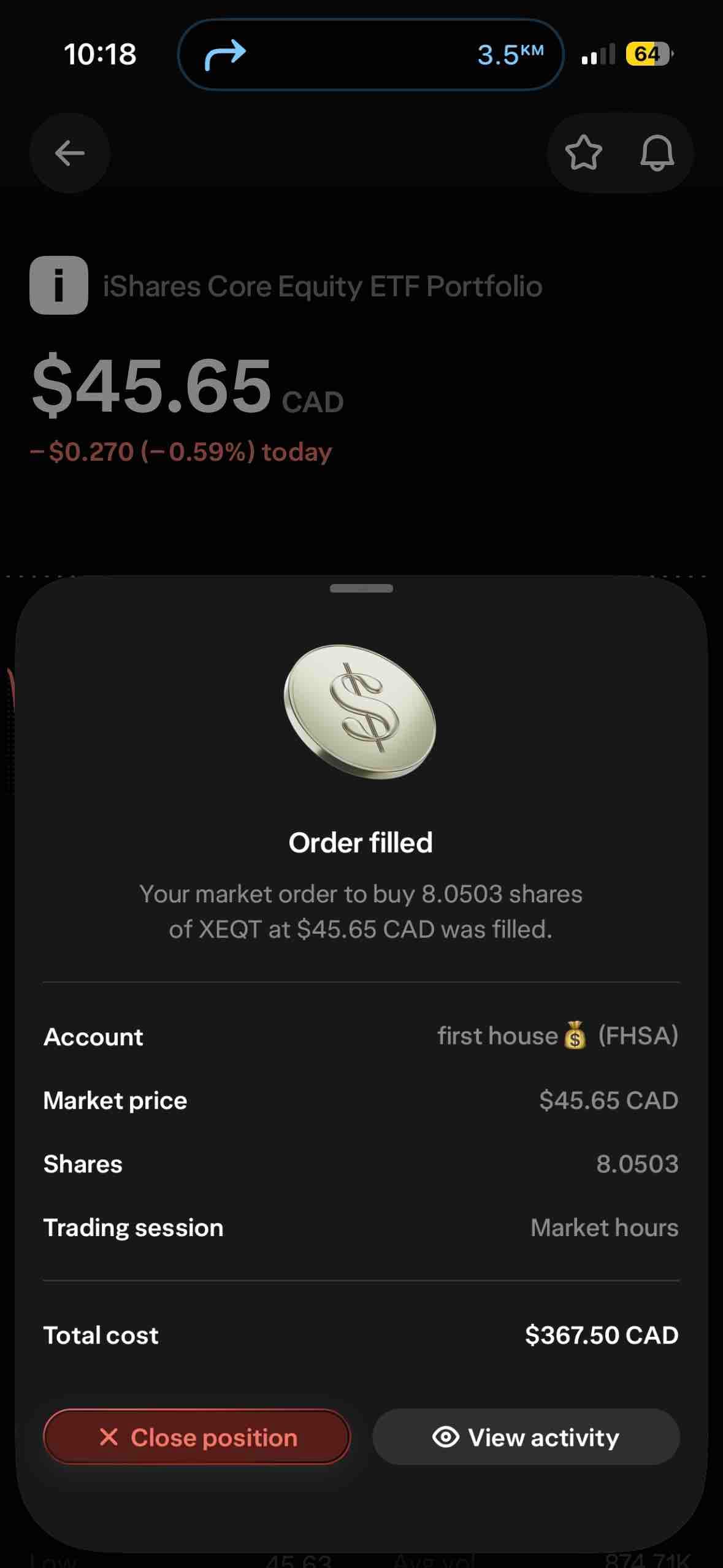
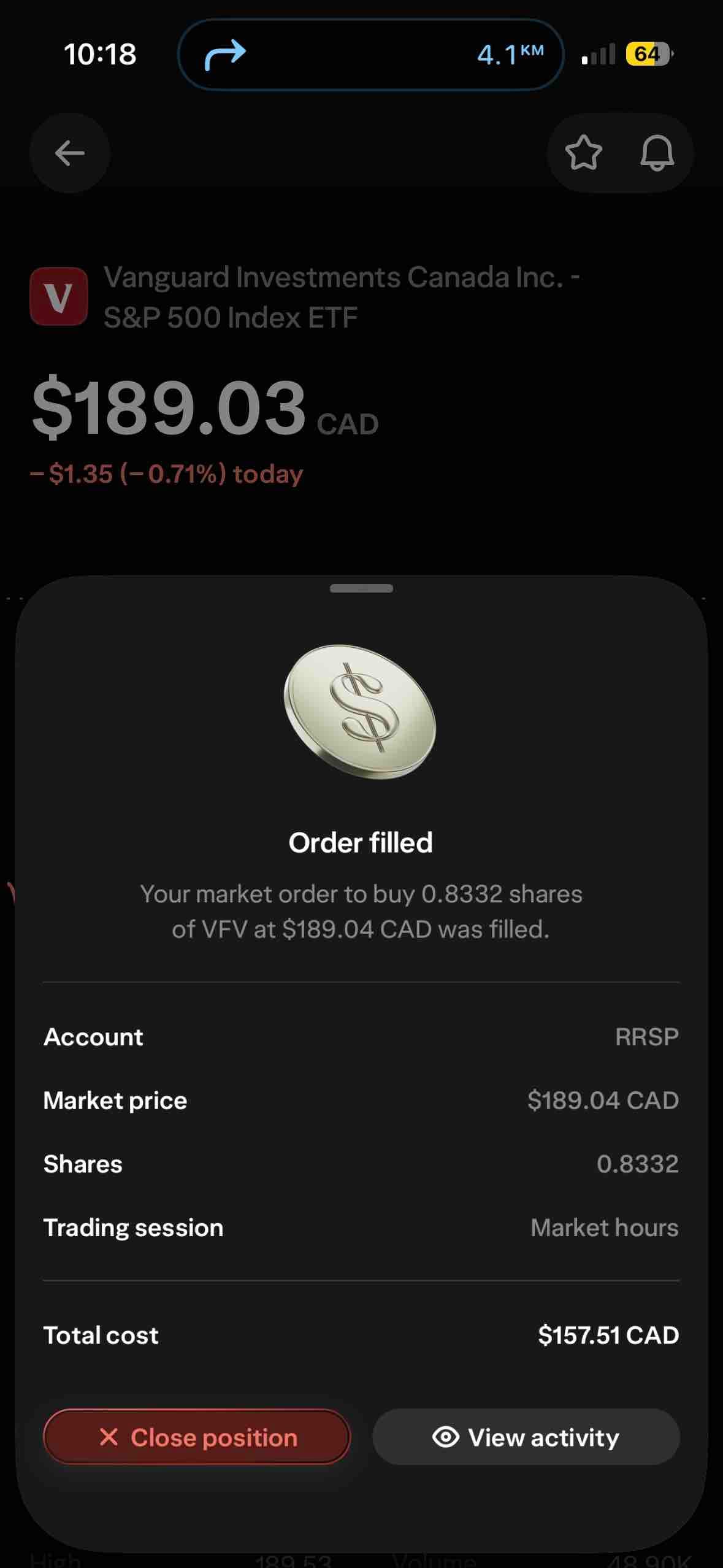
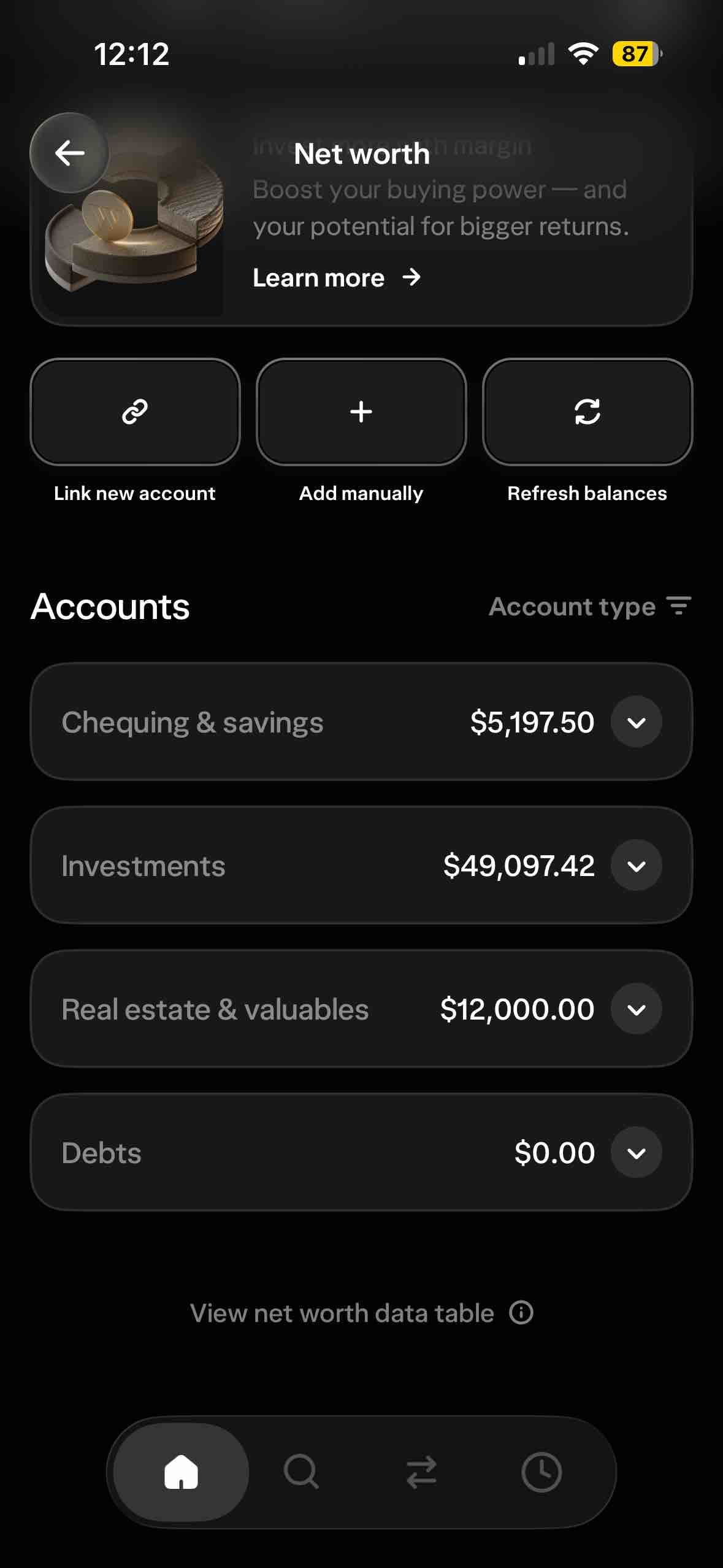
here we are again!! LAST MONDAY AT WORK before I go back to school for the year 🫡. Gonna make this a good week, there’s no better way to start the week off other than investing!!! Officially hit over $48,000 invested, my new goal is to hit $50,000 by the end of september, and let me tell you, it’s in sight👌🏼. I can’t wait to hit it. I invested $525 this monday and, like every week, I invest 70/30 spilt into my FHSA and RRSP. This week that totalled out to: $367.50 to $XEQT in my FHSA $157.50 to $VFV in my RRSP Can’t wait to start school again that’ll be really fun! Also I have 3 jobs at my university this year so I’m also excited for that and to be able to make good money as well. read more
Hello everyone, I’m looking to start building a dividend/income-focused portfolio and would love to get some thoughts from the community. I currently own XEQT, which I’m planning to continue holding for long-term growth. I know it pays quarterly, but I’m interested in adding some investments that provide monthly income/cash flow. I’ve been looking at ETFs such as DFN and HHIS, but I’m trying to understand whether these types of high-income ETFs make sense as part of a long-term portfolio, or whether I’d be better off focusing on more traditional dividend-growth ETFs/stocks. My goal isn’t necessarily to maximize the yield—I’d like to build something that provides a reliable growing income stream while still preserving/growing my capital. For those who have built dividend portfolios: • Would you keep XEQT as the core and add income ETFs around it? • What percentage would you allocate to higher-yield ETFs like DFN/HHIS? • Are there better monthly-income options I should be looking at? • Would you prioritize dividend growth over a very high current yield? Any advice or portfolio examples would be greatly appreciated! read more
Hitting $1,000 a month in passive income is a massive milestone. But how much capital do you actually need to pull this off? It all comes down to the yield and the strategy. Here is the math for both CAD and USD investors: Tier 1: Traditional Dividend Growth (~3-4% Yield) * Capital Needed: ~$300,000 to $400,000 * Examples: Vanguard's $VDY (Canadian Banks/Energy) or Schwab's $SCHD (US Quality Dividends). * The Vibe: Lower starting income, but offers the best long-term stock price growth and regular dividend hikes. Tier 2: Covered Call ETFs (~7-9% Yield) * Capital Needed: ~$130,000 to $170,000 * Examples: BMO's $ZWC (CAD Banks) or JPMorgan's $JEPI (US Broad Market). * The Vibe: You trade away some of the stock's upside growth in exchange for a much higher monthly cash payout. Tier 3: Enhanced / High Yield (~12%+ Yield) * Capital Needed: ~$80,000 to $100,000 * Examples: Harvest's $HDIF (CAD Diversified Income) or Defiance's $JEPY (USD). * The Vibe: Uses leverage or aggressive options. You need way less money upfront, but it comes with higher price swings and risk of capital decay over time. The Takeaway for Retail / DIY Investors Seeing $80k look so much cheaper than $300k is tempting. But remember to always look at total return (stock price movement + Net Asset Value + the dividends), not just the yield! Would you rather slowly build a $300k traditional portfolio, or use a $100k high-yield fund to get that $1k/month today? Disclaimer: For educational purposes only, not financial advice. Always do your own research. This investment approach is not recommended for young investors. read more
Are dividends actually the best strategy for building wealth—or do they simply make investing feel better? 💰 In this clip from my conversation with Candace from @mountainfinance, we dive into the psychology behind dividend investing and why seeing those dividend payments hit your account can be a powerful motivator—especially when markets are falling. 📉 💵 Candace explains why total return may matter more for younger investors with a long time horizon, while investors approaching retirement may gradually want to shift toward a growth-and-income strategy that generates more cash flow. She also shares why she believes there’s no single “wrong” way to invest—as long as you understand the trade-offs and choose a strategy you can actually stick with. We also talk about the psychological benefit of dividends during market downturns, the difference between a 10% market correction and a 20% bear market, and why younger investors have one massive advantage: time. ⏳ Candace makes the case that even investing small amounts—sometimes just $5 or $10—can add up through the power of compounding over decades. 📈 🔥 The bigger lesson? Financial success isn't necessarily about having a million-dollar portfolio. It's about using the money you have wisely, having a plan, and consistently sticking to it. 💬 Question: Do dividends motivate you to invest more—or do you prefer focusing purely on total returns? https://youtu.be/jQkKX5UqFWY?si=dbJREBvkLlaaw5Tz read more
Dividends don’t automatically give you a better return but they can change how you behave. Seeing cash hit your account from stocks like $KO, $ENB, $CVX , or ETFs like $SCHD and $VDY can make investing feel more real. That can make it easier to keep holding, reinvest, and stay consistent when the market gets rough. For some investors, that psychological benefit matters just as much as the yield. I personally am in the middle of starting a position in dividends. Do dividends help you stay invested? Or is growth what you prioritize ?
Stay humble with your investing. We are in a new kind of environment with the 10-year Treasury sitting at ~2006 levels. Many of us do not have extensive investing experience with interest rates at current levels, and the implications across the entire portfolio. It's a great time to move slowly, practice prudent diversification, have a long-term approach, and remain thirsty for knowledge. I still see a world of opportunity and will continue to average into high-quality dividend growth stocks, but I do not believe the quick and easy gains are going to be as readily available in this environment. Patience will be key, which is thankfully not that difficult for long-term, DGI investors. The silver lining: Current yields should (continue to) adjust (to higher levels) to reflect the "risk free" rate, which means higher starting yields on net new (and reinvested) capital. (Disc: Not investment advice.)
Added 109 shares of BIGY this morning at $16.09, bringing my average cost down to $19.38. Betting on the Clarity Act vote passing tomorrow — that would be a positive catalyst for BIGY given its holdings in Coinbase and Strategy (MSTR). My prediction for Wednesday’s interest rate decision: rates stay unchanged at 3.75%.
Ultra high yield investing isn't only a different investing strategy than dividend growth or growth investing. Rather it requires a different sort of investing philosophy than the typical investor has. It requires a different way of thinking about what a "return" is and when you get to count it. The core of the strategy is the ability to receive realized return through dividends due to great performance, because great performance makes dividends more sustainable, and that allows the "payoff" to happen more quickly. When the underlying holdings are performing well, the distributions flowing into your account aren't a depletion of the portfolio. They're a reflection of it. Performance funds the payout, and the payout is where your ROI becomes real. With a growth portfolio, you can get ROI too, but if you don't sell, it is unrealized. It exists on a screen. It's an effect you can look at but can't touch unless you want to lose exposure to the asset. Occasionally, a vocal minority of growth investors like to tell me my strategy is inferior to theirs. A favorite line goes something like this: "You would have had more liquidity if you bought growth equivalents like $SOXX and $DRAM because those investments outperformed yours in total return." My answer is, "Oh really? If I haven't sold shares and the gain is unrealized, it is not liquidity. It's unrealized liquidity. Could I potentially liquidate SOXX and DRAM? Sure. But if I do, I am losing exposure and if I want more exposure, I will have to buy more shares later on. There are many people who are okay with that, but that isn't the game I am playing." (And, if you are curious of what I am invested in, it's $CHPY, $DRMY, $GPTY, and $YRAM) That's the trap growth investors don't always acknowledge. If they do outperform, the returns sit in the share price, and the only way to convert it into spendable cash is to give up the very thing generating it. Sell shares, lose exposure. Keep the shares, keep the appreciation, but keep it unrealized. The dollar figure that makes them feel liquid is downstream of the shares. The shares are the cause; the dollars are the effect. For point of clarification, when a dividend is paid out, the value of the investment is reduced by it. Your dividend is depleting cash. This is why you need the underlying to perform well or else your dividend stream will shrink over time if you don't reinvest enough of it to keep your capital stable. When the underlying doesn't do well, even 100% reinvestment may not be enough to keep your capital stable during the downturn. Dividends are also paid out on a per share basis. The more shares you have, the more dividends you will get. And, if your investment is increasing in value, staying flat, or only going down moderately, the effects of the dividends can be quite nice. Psychologically, liquidating through distributions is easier. I don't have to make a sell decision. I don't have to forfeit a single share. The portfolio pays me out of its own performance, and my exposure stays exactly where it was. If I hold on to the shares long enough and my investment performs well, I will reach a return on investment where my paid out dividends exceed my initial cost basis. This is not theoretical as it would be if a growth investor's investments reached a value 2x their cost basis. Rather, it is a realized return on investment because returns from dividends are realized the moment they are paid out. Studies have shown that the majority of retirees feel more comfortable with collecting income from dividends than they do selling shares. None of this is to say growth investing is bad. It's a great strategy, and I'd never tell someone their approach is wrong for their goals. And, dividend investing is not objectively superior to growth investing. This is because the fruit of any investing strategy should be weighed by the goals of the investor. But since a vocal minority of growth are often quick to criticize mine, well, I enjoy counter punching. As a philosopher named Gordon Haddon Clark once said, "I love a good brawl." The two main considerations in my strategy are total returns and liquidity. I target outperforming sectors, and sometimes individual companies, so my portfolio can potentially outperform the market and give me the option to extract more liquidity without selling shares. Liquidity on demand, on a per share basis where exposure never shrinks. Many people who invest or advise others on investing think about the accumulation phase of investing and not the distribution phase of investing. I tend to think more about the latter than the former. The reason why is because I am thinking about what I can do with my money and how I can do whatever I want with it. I don't want millions in unrealized gains that I'll never touch in my life time. I'm not trying to win a contest. I'm trying to benefit from my investments in the easiest way I can while still meeting my investment goals. If I do well, I can get a return on investment in less than five years with ultra high yield funds (20% plus yields). In this case, When I say ROI, I mean distributions received versus cost basis, not price appreciation. By that measure, I'm currently at about 80% ROI since August of 2024: roughly 80 cents of every dollar I put in has already come back to me as cash distributions, while my shares, my exposure, remain fully intact (and have appreciated overall). That is a realized return. No selling required. And, the investing is still paying me despite me having taken more than my cost basis. It is house money at this point. I plan on adding $15,000 in November or December, so that statistic will likely change. That's the nature of the approach: it stays in motion, and the outlook that makes it work is the one that measures progress by what has actually been paid out, not by what could be, if only I were willing to sell the shares that generate it.read more
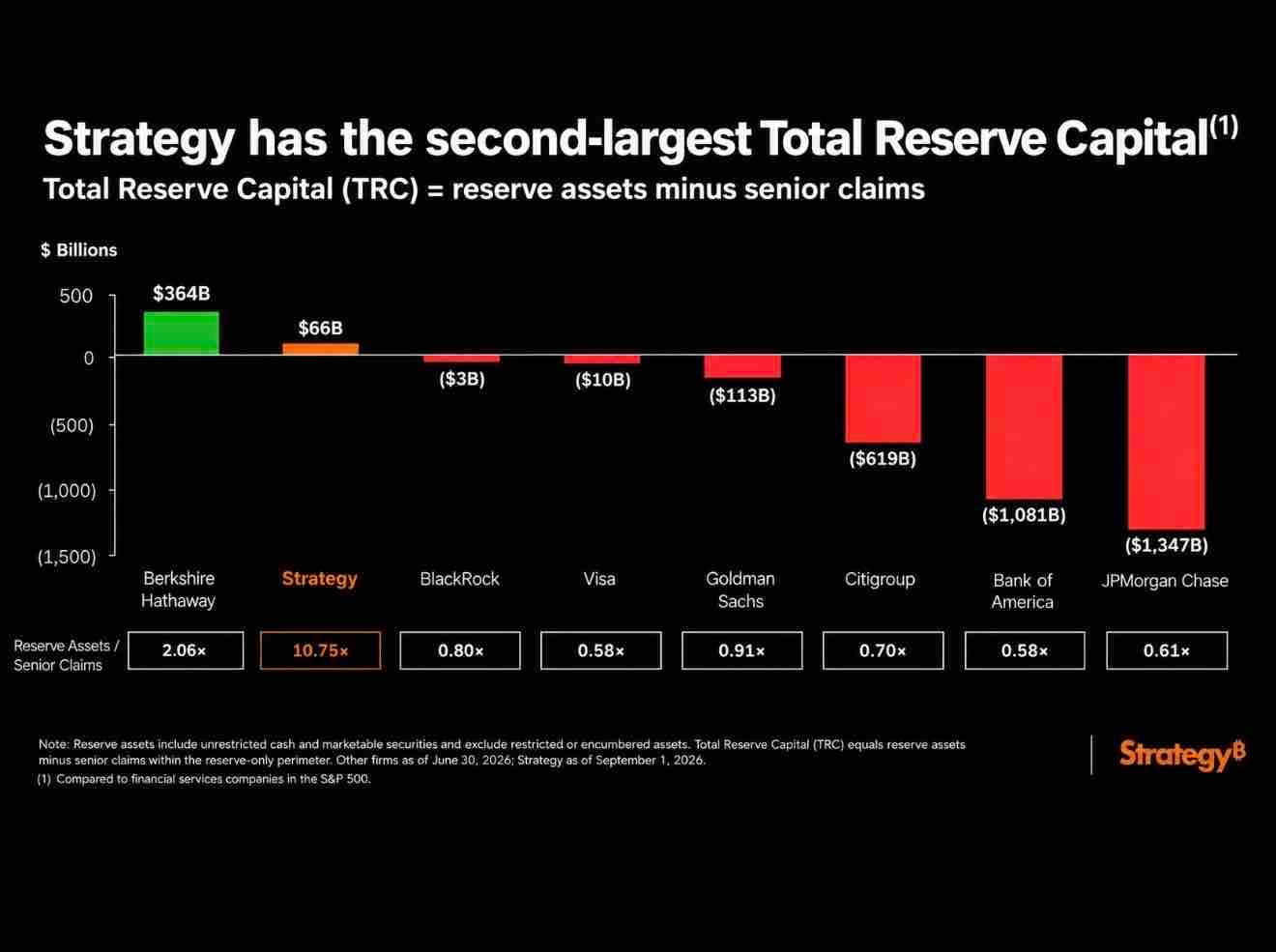
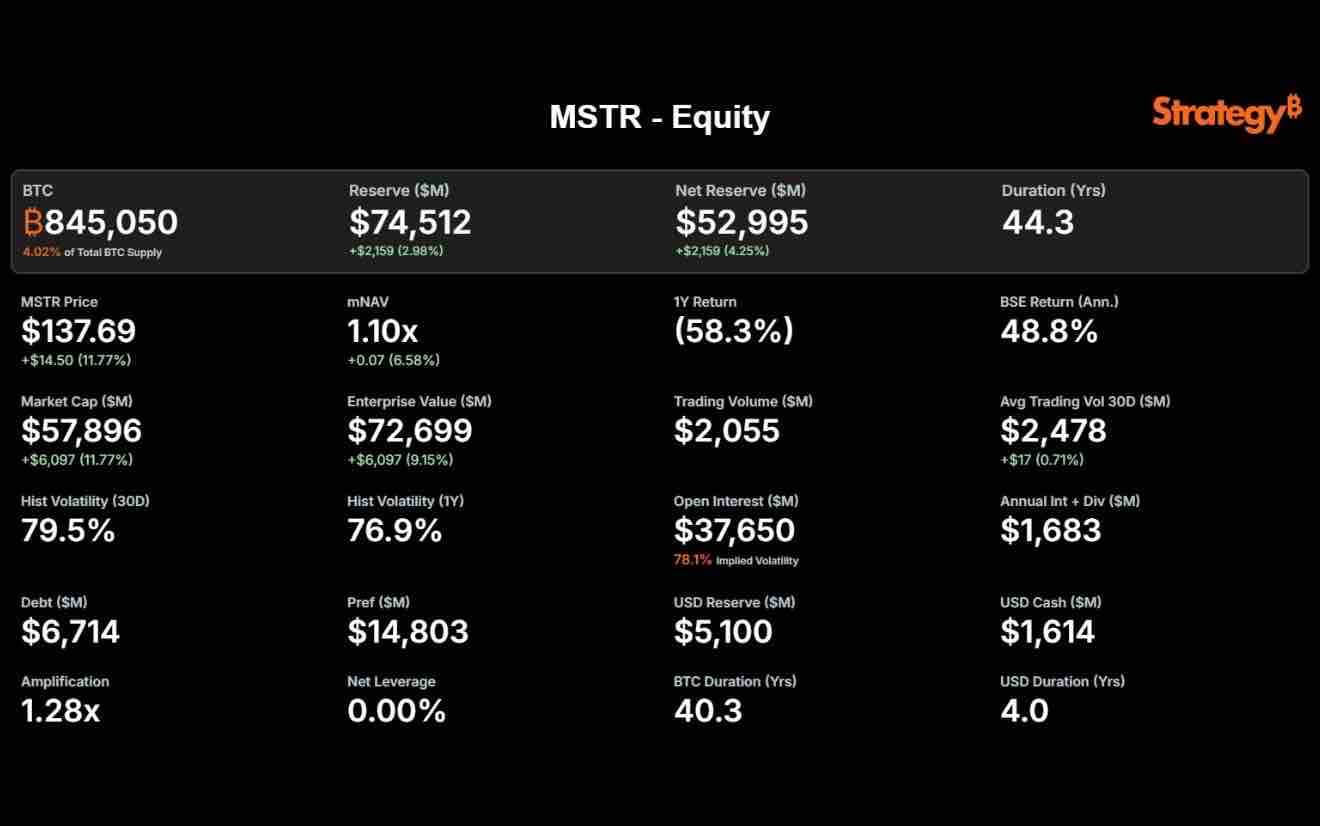
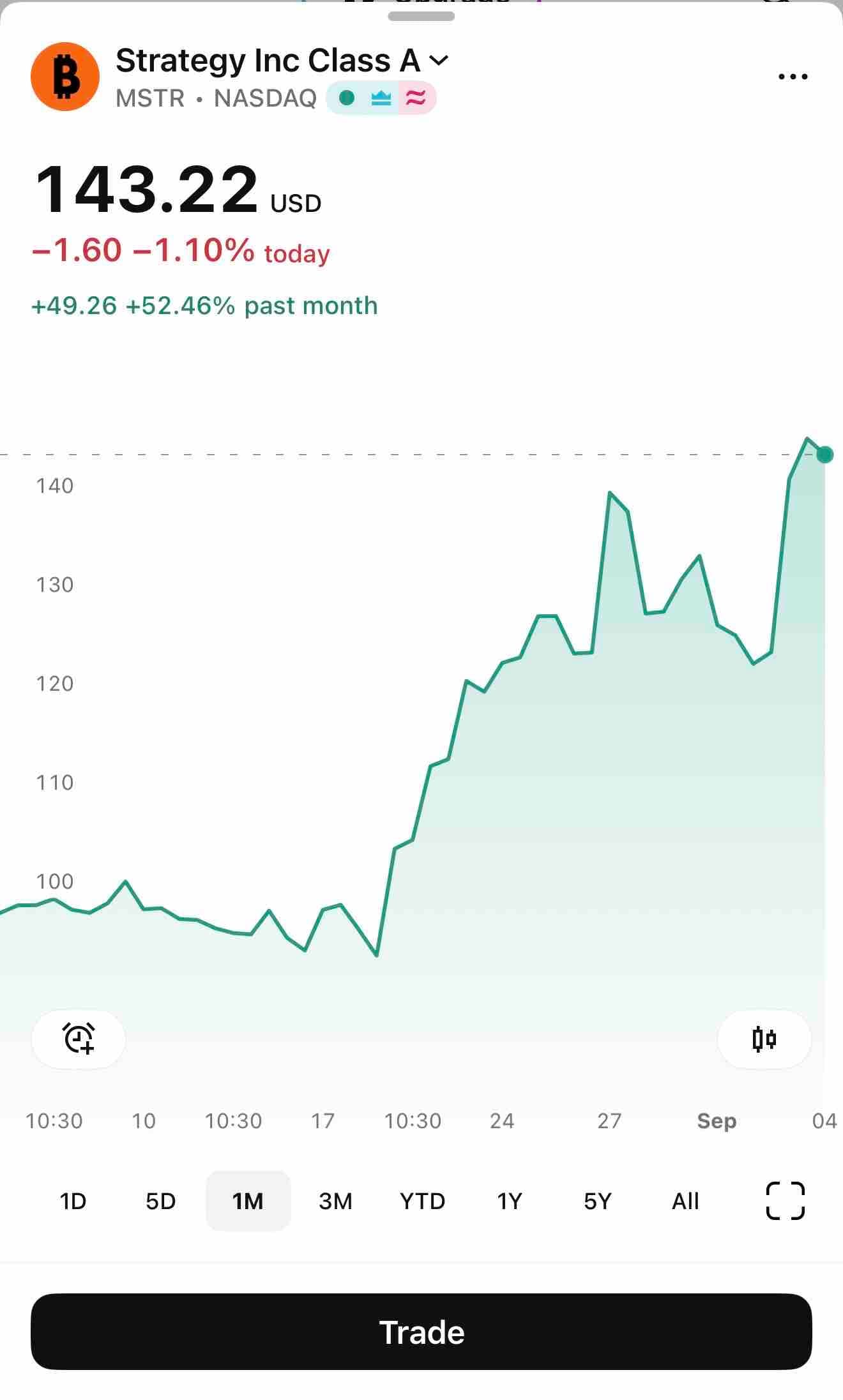
Well, I “bought the damage” as the Ninepoint Shares newsletter would say lol. Just added 955 shares of MSTE at $2.50 and brought my average cost down to $8.38. Really betting on the Clarity Act vote on September 15th — if it passes, I think it could help kickstart the next crypto bull run. The Digital Asset Market Clarity Act is the most significant U.S. crypto market-structure bill to reach this stage. It aims to end years of regulatory ambiguity by creating a statutory framework for digital assets. My second bet is that 🟠 Strategy 🟠 (MSTR) gets added to the S&P 500 sometime this fall. One of the reasons they’ve been selectively selling some of their Bitcoin is to help clear the path for inclusion. Under GAAP rules, Bitcoin is marked to market, so big unrealized losses can wipe out profitability and keep them ineligible. By selling a small portion of their holdings, they’re building cash reserves (to cover preferred dividends and reduce dilution risk) and shrinking the size of those mark-to-market swings. That makes their earnings look more stable and “operating-company-like,” which is exactly what the S&P committee wants to see. Happy Investing Everyoneread more
I want to introduce myself to the Blossom community. My name is Jason, and I am building and publicly documenting an income-focused portfolio built around option-income funds. I am especially interested in whether a smaller investor can generate meaningful cash flow without needing a traditional million-dollar dividend portfolio first. Despite the title, my portfolio is not all YieldMax, but it is predominantly so (most of my portfolio is currently in $CHPY), and it was all I could fit into the title while making it catchy. Blossom only tracks my price return, which, despite being in ultra-high-yield funds, is currently at +16.24%. This is while harvesting a trailing dividend yield that ranges from 30%–50% and a yield on cost of 30%–71%, depending on price movements throughout the year. If you want to see my total returns during multiple periods of time, look up JLP Holdings on Snowball Analytics. The portfolio is public. The link to that portfolio is also on my profile page. I do want to state my position unequivocally. Funds like YieldMax do have viable use cases. I view a dividend as a conversion to liquidity without selling shares. Total return is dividends plus price performance. If you know about mathematical operations with integers, you know that price performance can go down enough to reduce the value of your investment even when dividends are reinvested. So, dividends are not free money. It is possible that your value will decline over time if the total return of the underlying asset(s) are not high enough to support the yield percentage of the investment. In such cases, you can reinvest some or all of the dividends to try to keep the value of the investment level or growing. I, however, over the past two years, have managed a positive price return with significant income on a small portfolio. Not many ultra-high-yield investors can say the same. Will I always be able to collect all of the dividends every year without my capital decreasing? No. Can I position myself where I can extract a large amount of liquidity from the fund in most types of markets assuming the underlying does well? Yes. The strategy I currently use targets sectors that I think have tremendous upside potential. Right now, it is semiconductors, memory, and, to a lesser extent, AI. The outsized performance helps guard against NAV erosion. It does not guarantee that my price returns will never go negative, but the better the underlying performs, the less likely you are to see NAV erosion. According to Snowball, my portfolio has returned 128.88% since its inception around August 2024. Over the same time period, the S&P 500 returned 45.42%. That means my portfolio has outperformed the S&P 500 by a very large margin so far. My current portfolio yield is 39.13%, while my yield on cost is 45.79%. In other words, based on what I originally invested, the portfolio is currently producing income currently at a rate of nearly 46% of my cost basis. It also reflects that my portfolio has had a positive price return and my dividends on a per-share average basis have grown along with the price of the fund. The portfolio has not followed one static strategy the entire time. I started with a mix of YieldMax single-stock funds and Roundhill ETFs. I later used several of Roundhill’s WeeklyPay funds and REX Shares’ $NVII After that strategy gave back a significant amount of its gains in 2025, I changed direction. Since March 2026, I have been focused more heavily on sector-based option-income funds, especially $CHPY . $CHPY has been the clear core of my portfolio for most of this period. I also currently have $GPTY, $DRMY. and $YRAM in this portfolio. I did hold $SEMY for several months as well. I have been using the distributions from this portfolio to help pay my bills since April 2026 during a career transition. Even while taking substantial income out and reinvesting only a small portion at times, my portfolio reached new all-time highs in June. This is not my only income source, but it is currently my largest source of income. Luckily, I have managed by skill, discipline, and, admittedly, very good luck, to build a life that is very inexpensive to live. Can you imagine? i am currently 40 years old and I have been paying a majority of my bills with a portfolio that ranges in value from about $13,000 to $21,000, based on price movements. I achieved the $21,000 figure while collecting 100% of the dividends for two months at that time, sans a 10% reinvestment into the portfolio. I would not have been able to pay most of my bills with $SCHD or $NOBL with this size of a portfolio without having to sell shares. Not to mention, if I invested in $SCHD or $NOBL instead, my total returns would have been significantly lower. Of course, I would not suggest anyone retire off of a portfolio of this size. The portfolio has been valuable as an income source in a transitional period of my life, and I'm very thankful for it. This is not something I could have done with SCHD or NOBL without having to sell shares. Specific uses cases for these types of funds are something I want to talk about on my page. So, I hope the performance of my portfolio interests you. I plan to share my journey here and through other avenues. Feel free to check out my investment newsletter, Rethinking Dividends, at rethinkingdividends.com. If you are interested in seeing the journey and the philosophy behind my investment strategies, feel free to follow me and/or subscribe to my Substack newsletter. I also plan to start a YouTube channel in November of 2026. Here is the link to where this channel will be: https://www.youtube.com/@rethinking.dividends. read more
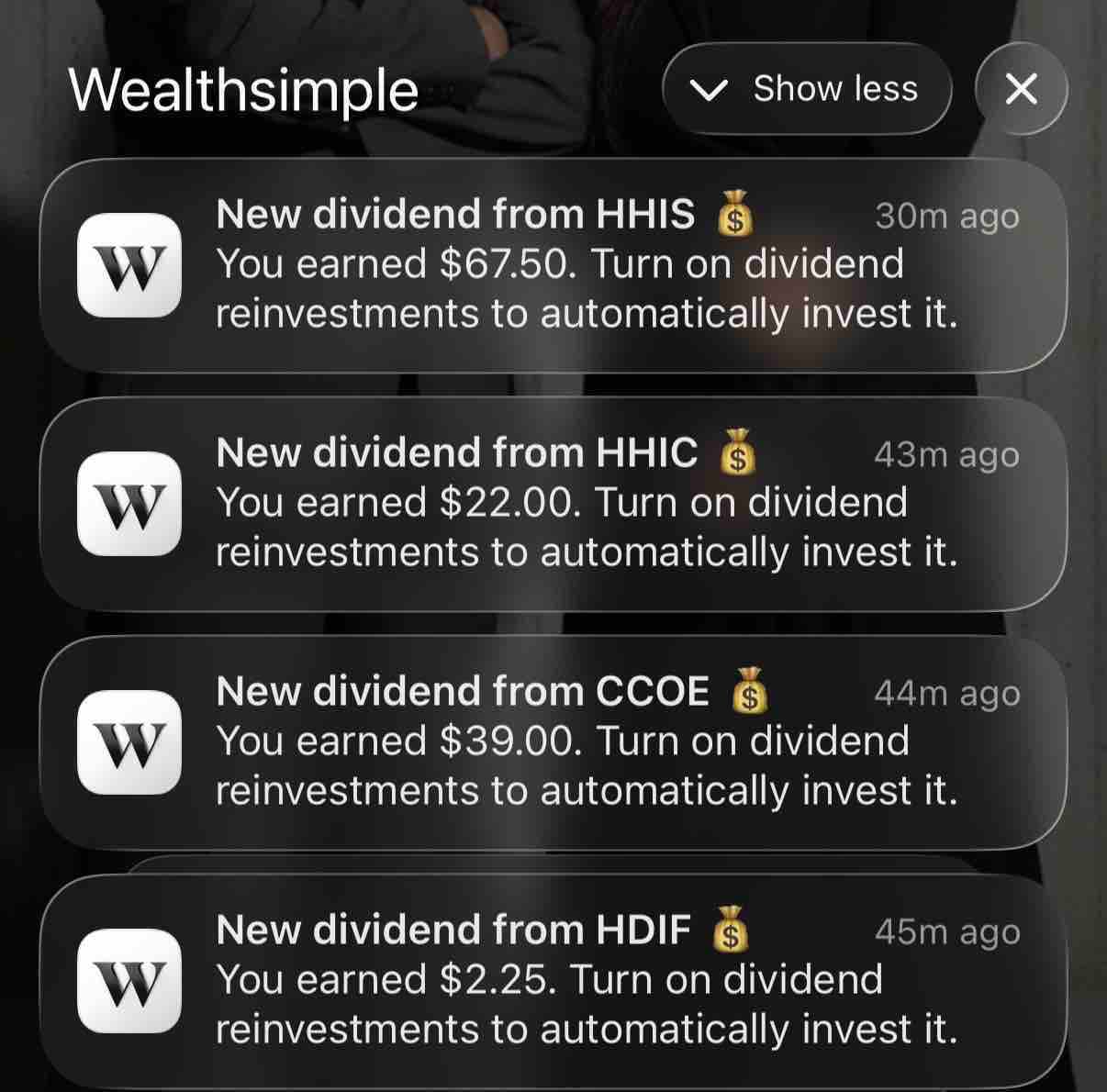
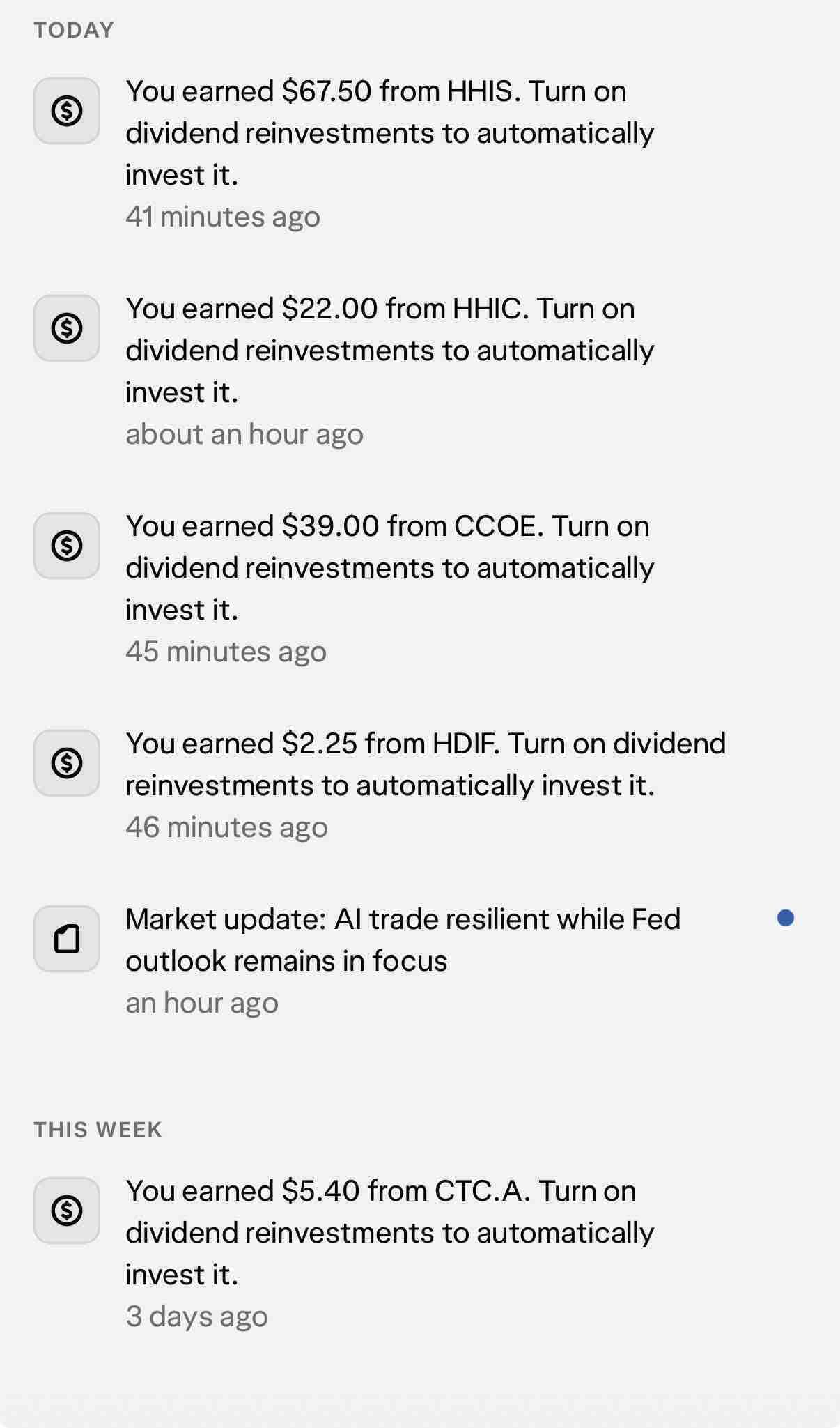
Happy Friday!! What a great way to start the weekend wit your phone chiming of dividend notifications 🔔! Distribution for $CCOE: 0.30$ monthly has gone down to 0.26$ monthly Received dividends for the following ones: $HHIS: $67.50(250 qty) $CCOE:$39(150 qty) $HHIC:$22(110 qty) $BANK:$7.60(50 qty) $HDIF:$2.25(25 qty) $CTC-A:$5.40(3) $ENB:3.88$ $XEI:$5.70(50) Moving towards the monthly target of 200$ and yearly 2500$. Will reinvest the dividends Happy investing!😎🚀 Stay consistent, stay invested , unleash the power of compounding by reinvesting all the dividends !!💵💵 Wishing all a wonderful Labour Day long weekend in Canada 🇨🇦! read more
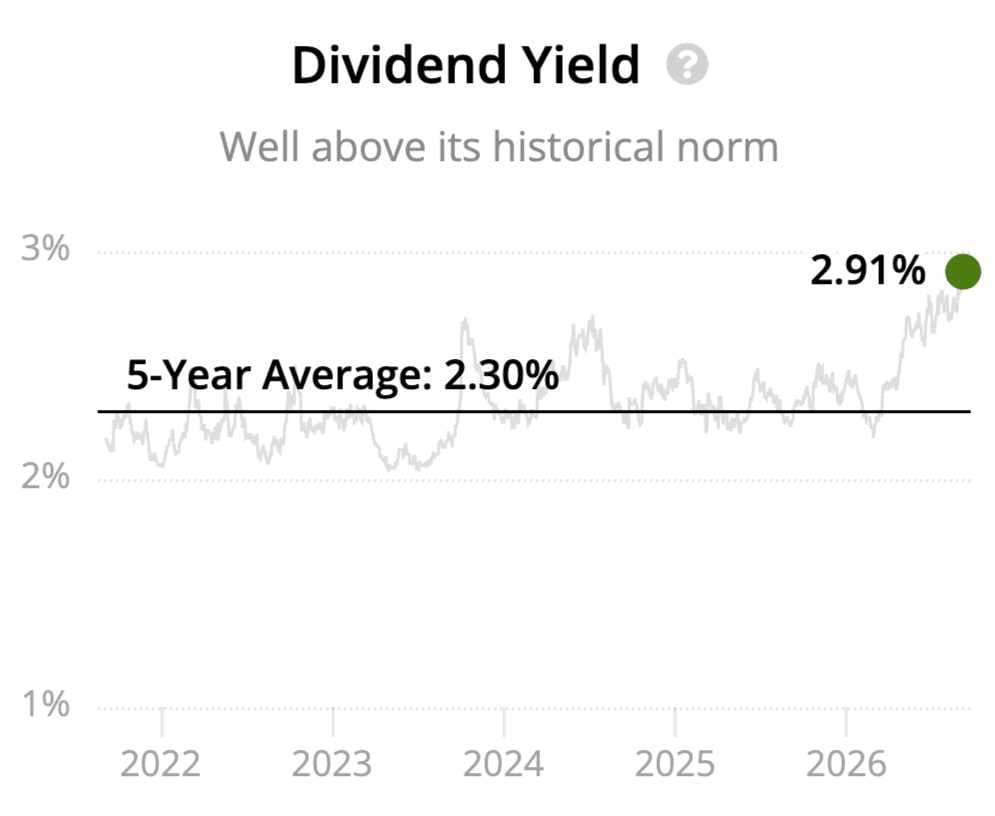
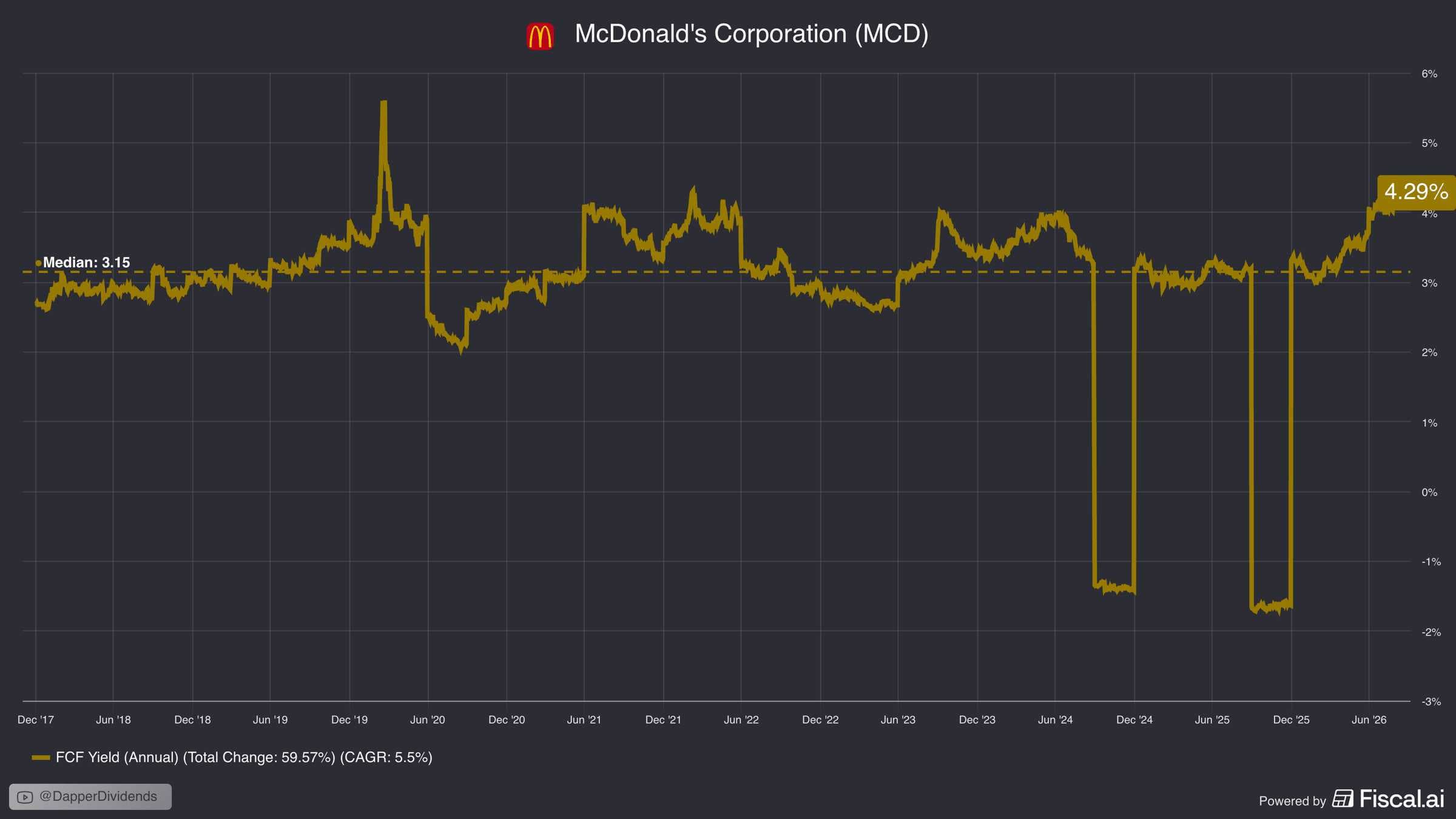
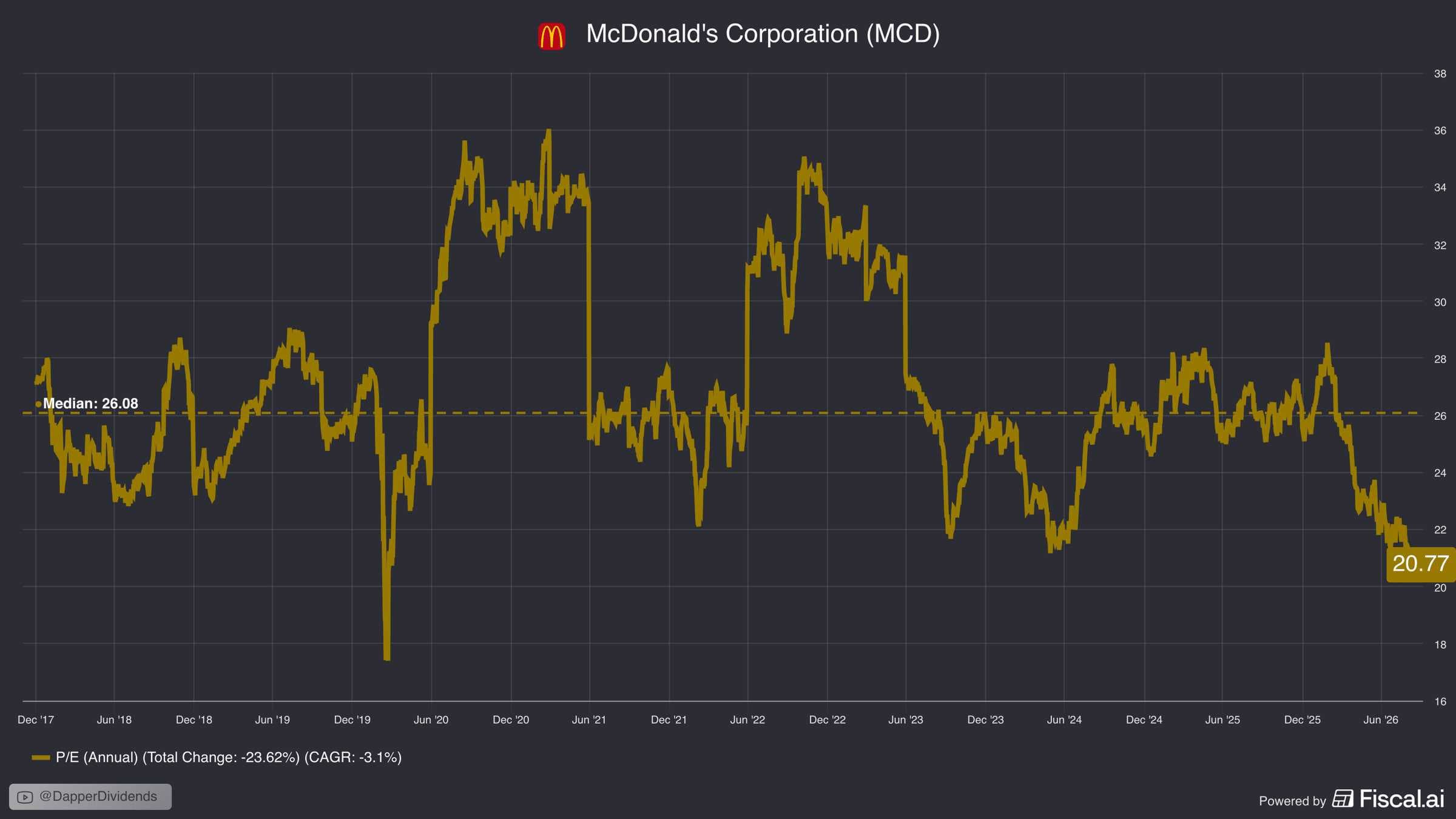
17 days after selling McDonald's ($MCD), I bought it back. But not because I'm lovin' the food… I first started buying MCD during the COVID crash in our taxable "overflow" account, at as low as $132, and ended up with 11 shares at a cost basis in the mid-$180s. Then our 20-year-old roof took storm damage, and we needed a new one, so we sold all of our McDonald's at $279 to help pay. But what surprised me most was that I missed owning it! This past Friday, I was working at the DeKalb, IL post office, and I could see a McDonald's from where I was. Every single time I looked up, people were going in and coming out. Then around lunch, two postal employees came back carrying McDonald's bags and drinks. That did it. On my lunch break, I sold some VTI and started a McDonald's position again. What's funny is that I almost never eat there. The only time I really do is at the airport, when we leave the house in a hurry and need something quick and cheap before boarding. But I don't have to be a customer. I just have to notice everybody else is. One thing I'm really lovin' is how former McDonald's CEO Harry Sonneborn famously said, McDonald's isn't in the burger business. It's in the real estate business. About 95% of the restaurants are run by franchisees who pay McDonald's rent and royalties, and McDonald's owns most of the land they sit on. That's why it has a very high 46% operating margin and 49 straight years of dividend raises (soon to be 50 years and a Dividend King this fall). One of McDonald's tasty twists is negative shareholder equity on paper, which sounds scary. It's not for two reasons: First, they've paid out more in dividends and buybacks over the years than they kept, and that's what drives the number below zero. Second, and what I find fascinating, is that all of McDonald's real estate is on the books at what they paid for it. So let's say they bought a corner lot for $700K in 1976, and it's worth $20 million today — the balance sheet still says $700K. McDonald's has a massive amount of hidden net worth that no ratio I know of shows. But I do have a bias I'm working through. Part of me wants to wait for $180 again, but that's dumb. The company earns more now than it did when my average cost was in the $180s. A more profitable business shouldn't sell for the same price it did five years ago. So instead of anchoring to an old price, I'm looking at what I'm paying for the earnings today: P/E, or price-to-earnings (showing how many dollars you're paying for each dollar of earnings), is about 20.8. Its average over the last nine years is about 26, so currently you'd pay $20.80 for every $1 of McDonald's earnings. Free cash flow yield, which shows you the exact percentage of actual cash a company makes compared to what its stock costs, is 4.3%. Its median is 3.15%. Dividend yield is 2.9%. Its 5-year average is 2.3%. By all three, this is the cheapest McDonald's has been in years. So, why is it down? U.S. traffic went soft. Lower-income consumers are pushing back on prices, and CEO Chris Kempczinski said on the last call: they don't have a strategy problem; they simply didn't execute at the level they needed to in the second quarter. I give him credit for honesty, but that's a strike against him, and I think his leash just got a lot shorter. And if you haven't seen the video of him eating the Big Arch burger, you have to watch it here. He got roasted because it looks like the man has never held or eaten a burger before! If things don't turn around soon, I think they'll replace him. But there's another thing you might not know: McDonald's corporate can recommend a price, but the franchisees don't have to follow it. Kempczinski said U.S. restaurants haven't consistently executed the discount strategy, and only about 60% to 65% of the system had put in the "under $3 menu," which is supposed to include 10 items. Thousands of independent owners, each doing their own thing. It's like herding cats, for better or worse. Turning around McDonald's is like turning around the aircraft carrier I served on, the USS John C. Stennis (CVN-74). It can't change direction like a small boat. It's slow, but once it turns, it turns. These things take time, and that's why I'm buying with confidence. What pushed me into buying was that parking lot in DeKalb that looked packed every time I looked at it. But the data says something different. U.S. same-store sales rose just 0.8% last quarter, and every bit of that came from higher checks — people spending more per visit — while fewer customers actually walked in. Placer.ai measured McDonald's U.S. visits down 4.5% from a year ago. So the lesson is that a busy lot doesn't tell you if it's busier than last year, and it turns out it wasn't. And on top of that, according to Inc., about 36% of McDonald's visitors come from areas where the median household income is under $50,000. Those are the people getting squeezed hardest right now, and they're the same customers McDonald's fumbled with its value menu. That looks like a broke-customer problem and a management problem, and both are fixable. I've been hearing since high school in the 1990s that McDonald's is finished. The Super Size Me documentary. Fitness fads. Fast casual dining. Now it's GLP-1s. It's 2026, and McDonald's is still growing, still profitable, and still the biggest restaurant company on earth. This looks like another in a long line of cycles, not a broken or dying business. Two things I'm watching, and if these break, I’ll reconsider adding more: U.S. guest counts. They need to stop falling and turn positive over the next few quarters. If traffic is still negative a year from now with a new value menu fully rolled out, then I was wrong, and it's structural. The October dividend raise. This would be year 50, and a solid raise of around 5% tells me management is confident. A token raise of 1% to 3% would be a warning. My plan: I'm buying in my Roth IRA, and I intend to never sell. Tax-free compounding, theoretically forever. In the $250s, I keep adding. The lower it goes, the more aggressively I buy. I don't use it. But I'm lovin' it. How about you? This is from the FREER weekly newsletter, which you can check out here 👉 https://dapper-dividends.kit.com/posts/i-never-eat-there-but-i-just-bought-the-stockread more
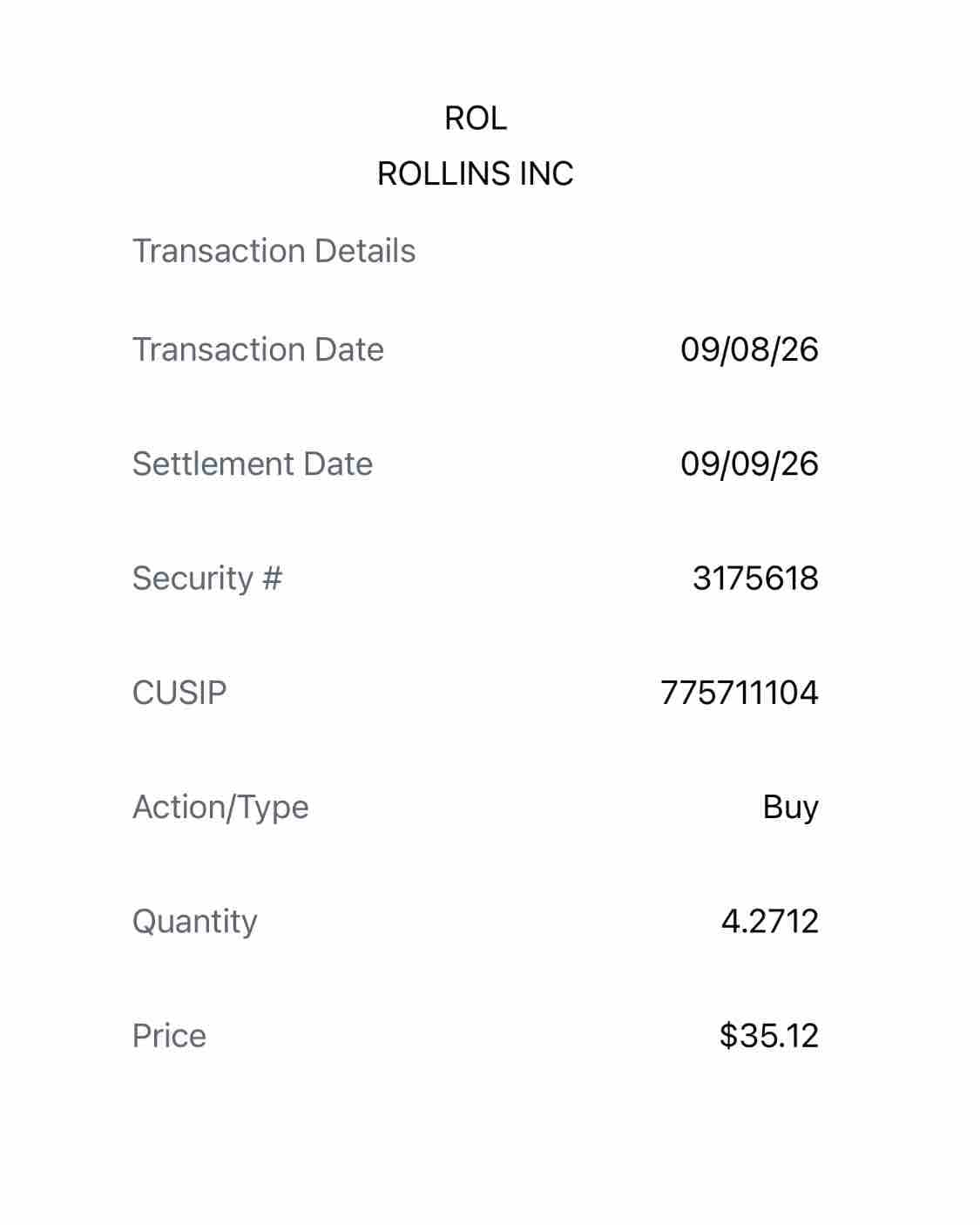
Red, red, and some more red to kick off the new week. 😅 I did manage to pick up some more ROL today though, that was a bright spot. 👍 What were your best and worst performing stocks today? Let me know in the comments! 👇
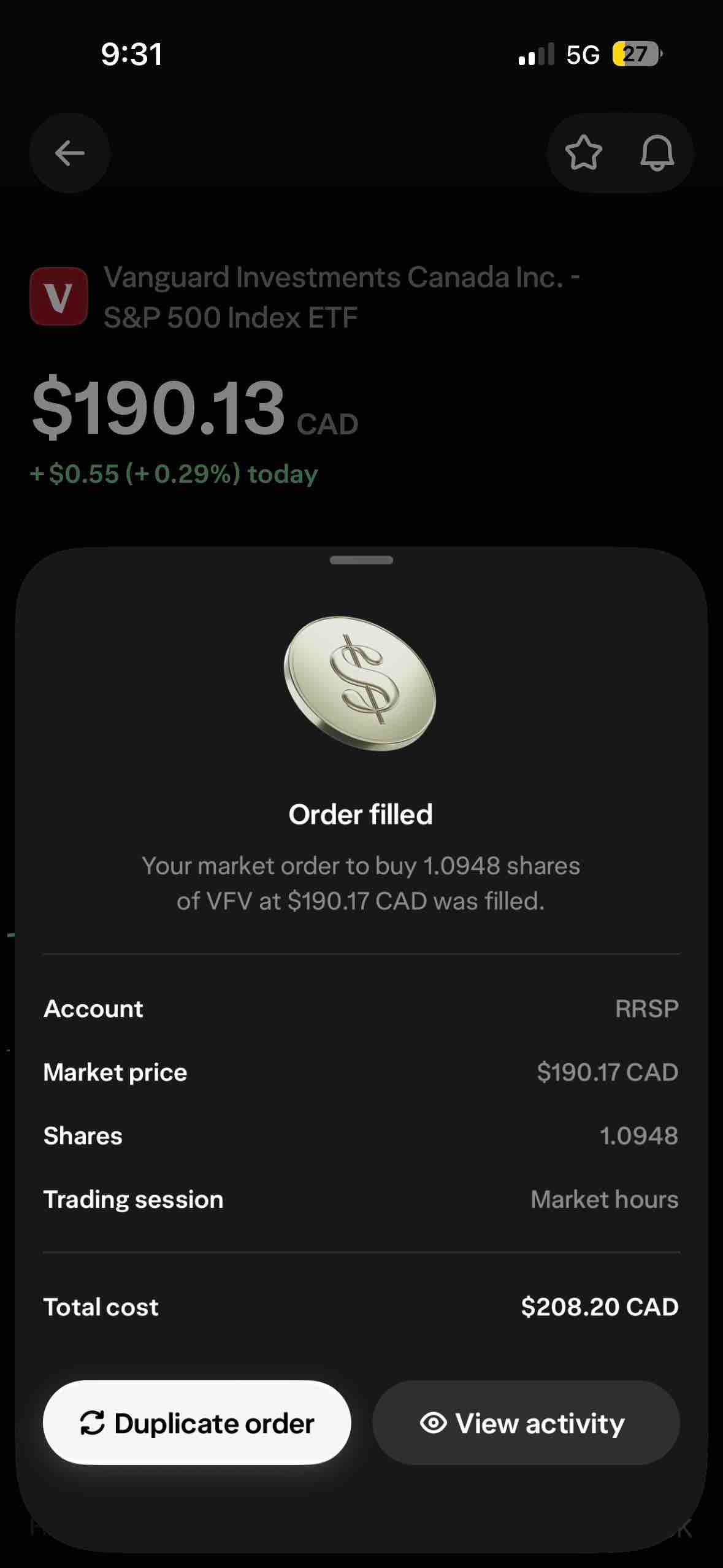
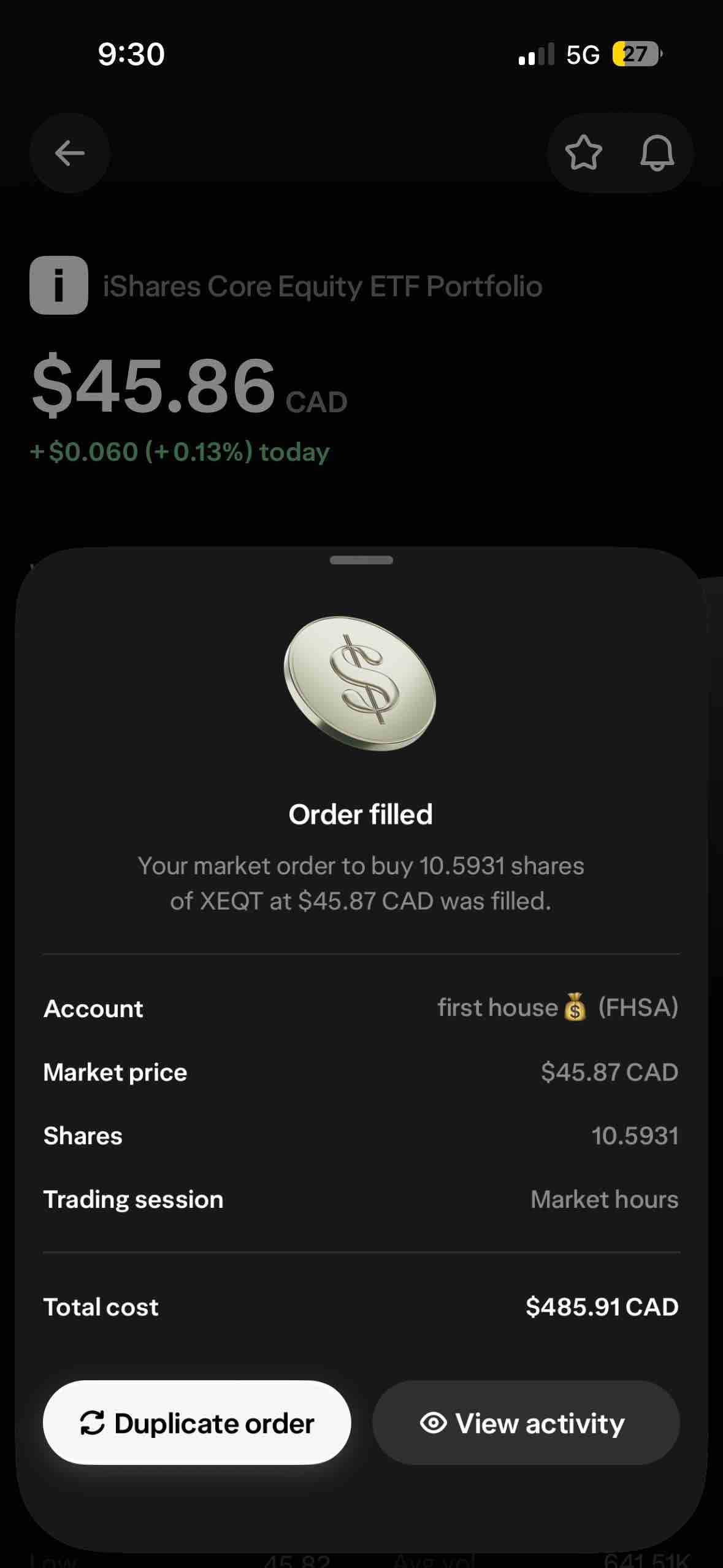
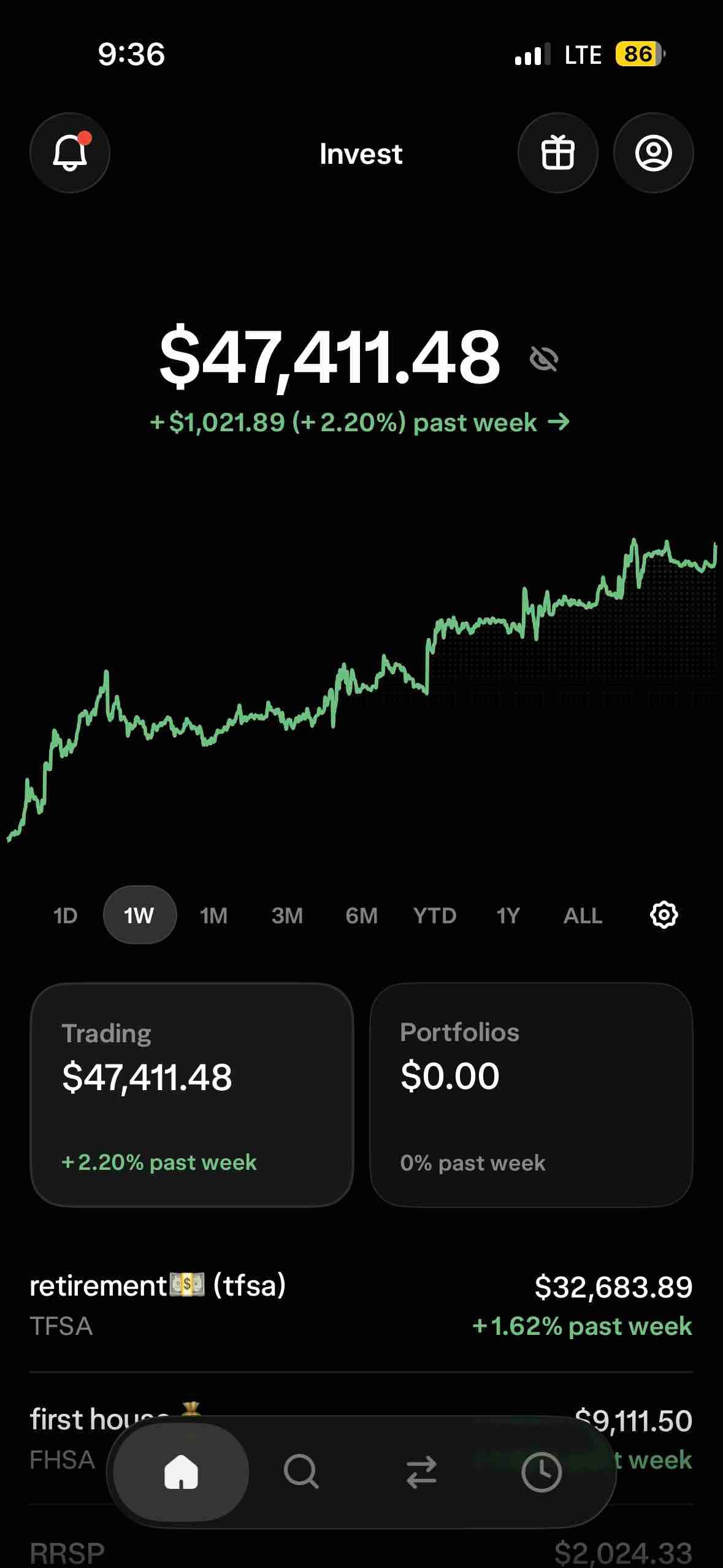
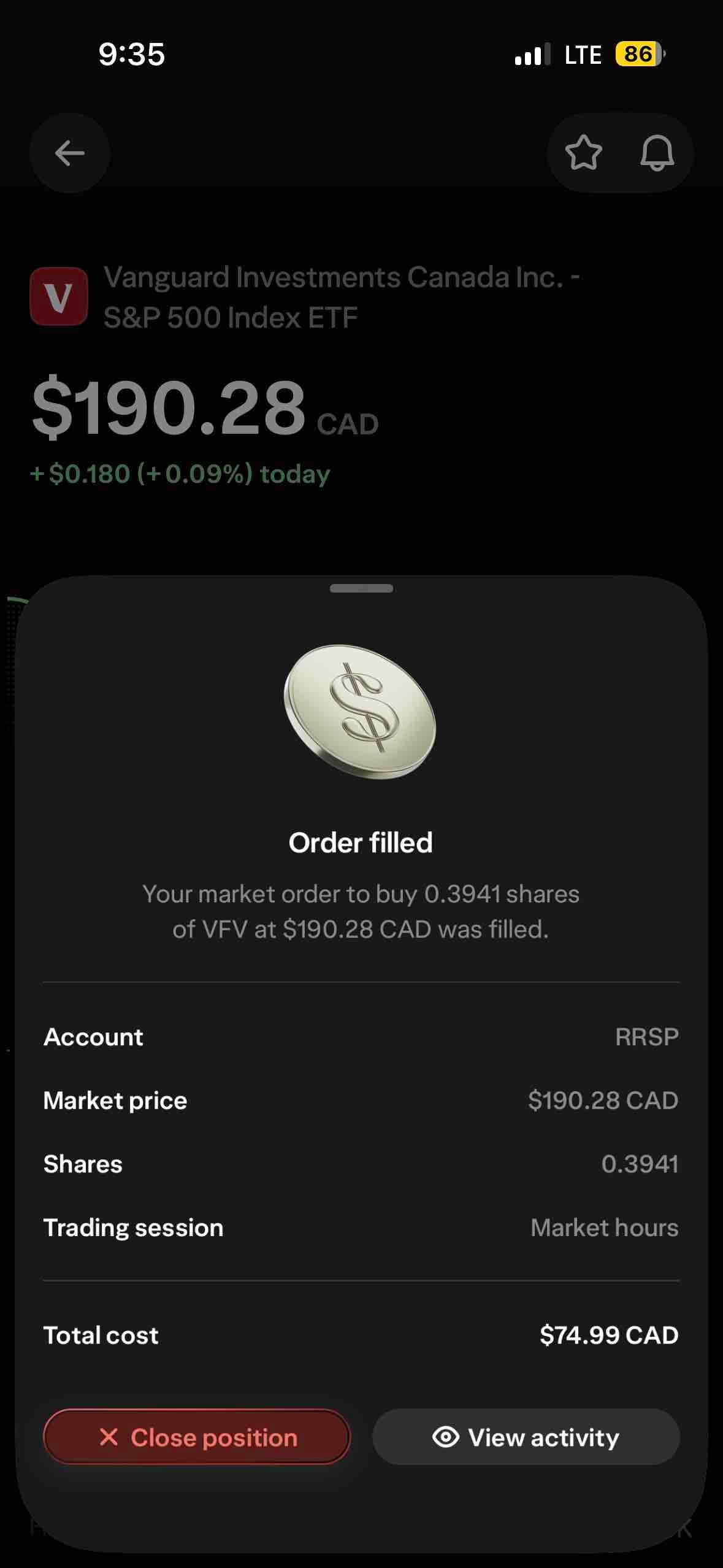
Good afternoon everyone!! A rainy friday here! As yesterday was my last day of work before school starts Im taking the morning to noon (now) off to relax! Now for the rest of the day I’m doing school related tasks that have to do with my job at school! But yesterday was a great day!!! I got paid from 2 income sources 1: I got paid from my side jobs and made an income of $450! 2: I was paid out from doing work for my school over the past 2 weeks and that totaled out to $244. So! I will be investing absolutely all of it!! This morning while gathering supplies for this project I’m working on the market opened, and right then and there I bought some ETFs! I bought $485.80 of $XEQT in my FHSA $208.20 of $VFV in my RRSP!! total of $694 this morning. Again,still doing that 70/30 split and this officially puts me at $1219 for the week and at a portfolio of $49,100. IM SO CLOSE TO $50,000 I CANT BELIEVE IT. we’re going to keep pushing and will most definitely hit $50,000 by week 2 of September I CAN FEEL IT!! read more
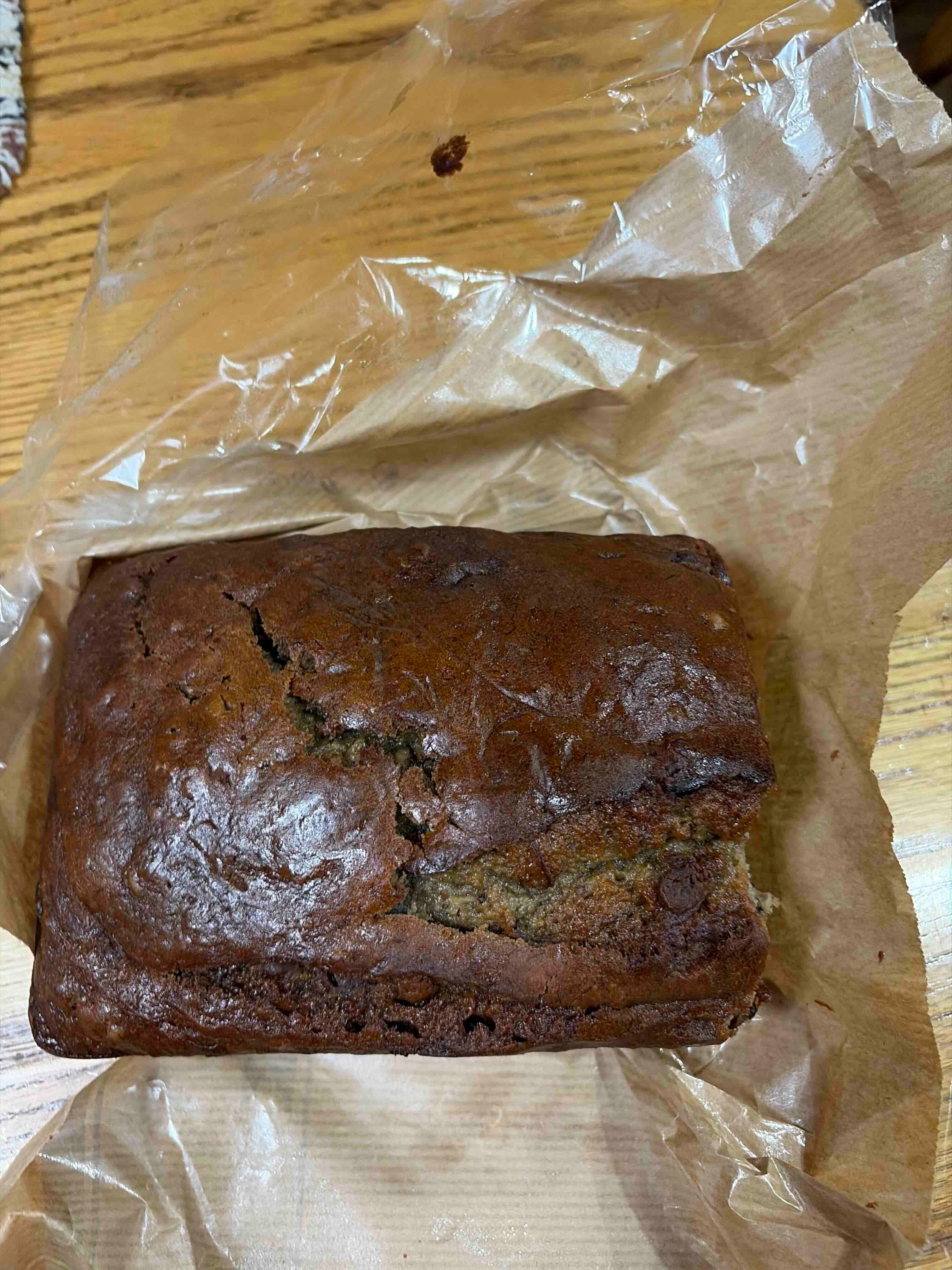
today I did a nice side job for a customer and got paid $50 for it! It was something quick after work! But, I also got rewarded in a different way! Lol, nothing beats sourdough banana bread, and was it ever good! I’m thankful for good customers like this, it’s nice to get compensated in different ways sometimes, it’s nice to be thankful for the little things. On another note! I’m investing a cool $250 today, that makes $855 on the week which is something I’m super proud of and happy to share!! I will be doing my 70/30 spilt into my FHSA/RRSP respectively! FHSA: $175 to $XEQT RRSP: $75 to $VFV What a great week at $855 i wish i could have weeks like this every single week but it doesn’t always work that way. Also $ZEB has been amazing this year along with $XEC I can’t complain lol! Have a great weekend everyone!!! I’m looking forward to next weeks investment! read more