I feel like if you haven’t invested in AI the time is now. You will most certainly see a return in your future. If you’ve ever been curious about investing in AI but didn’t know when the right time was, I think now maybe the time. I’m team full recovery. ❤️🩹🩺
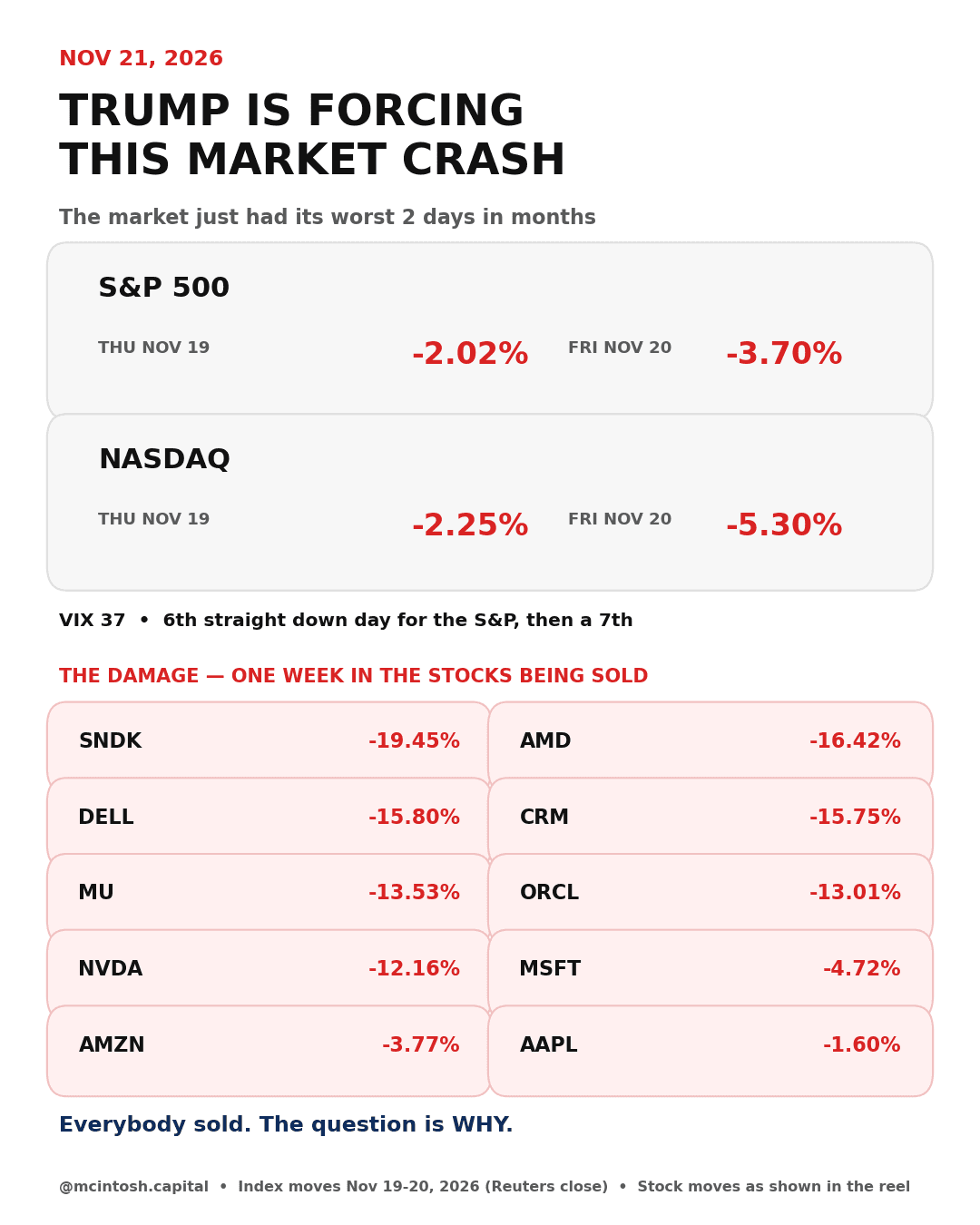
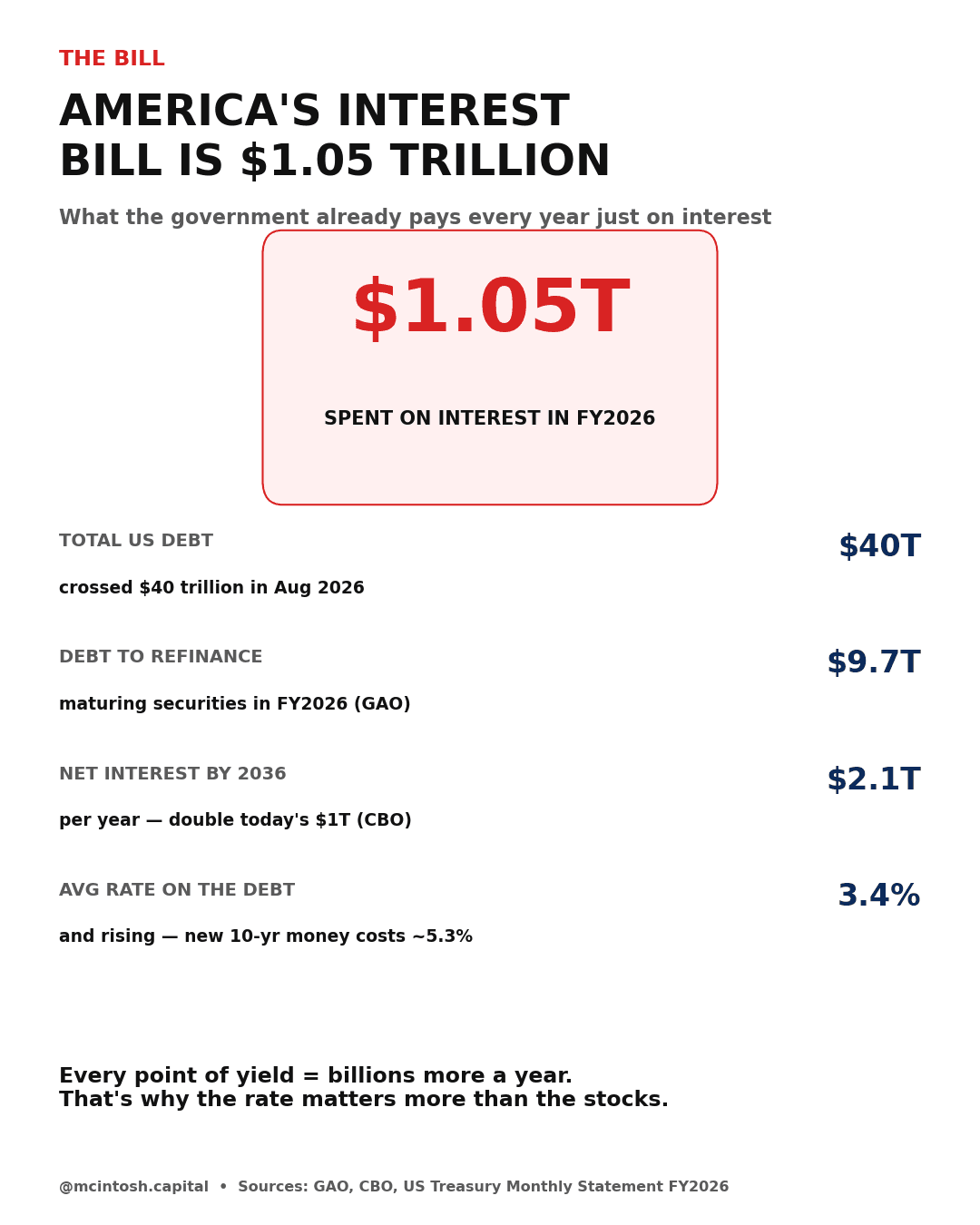
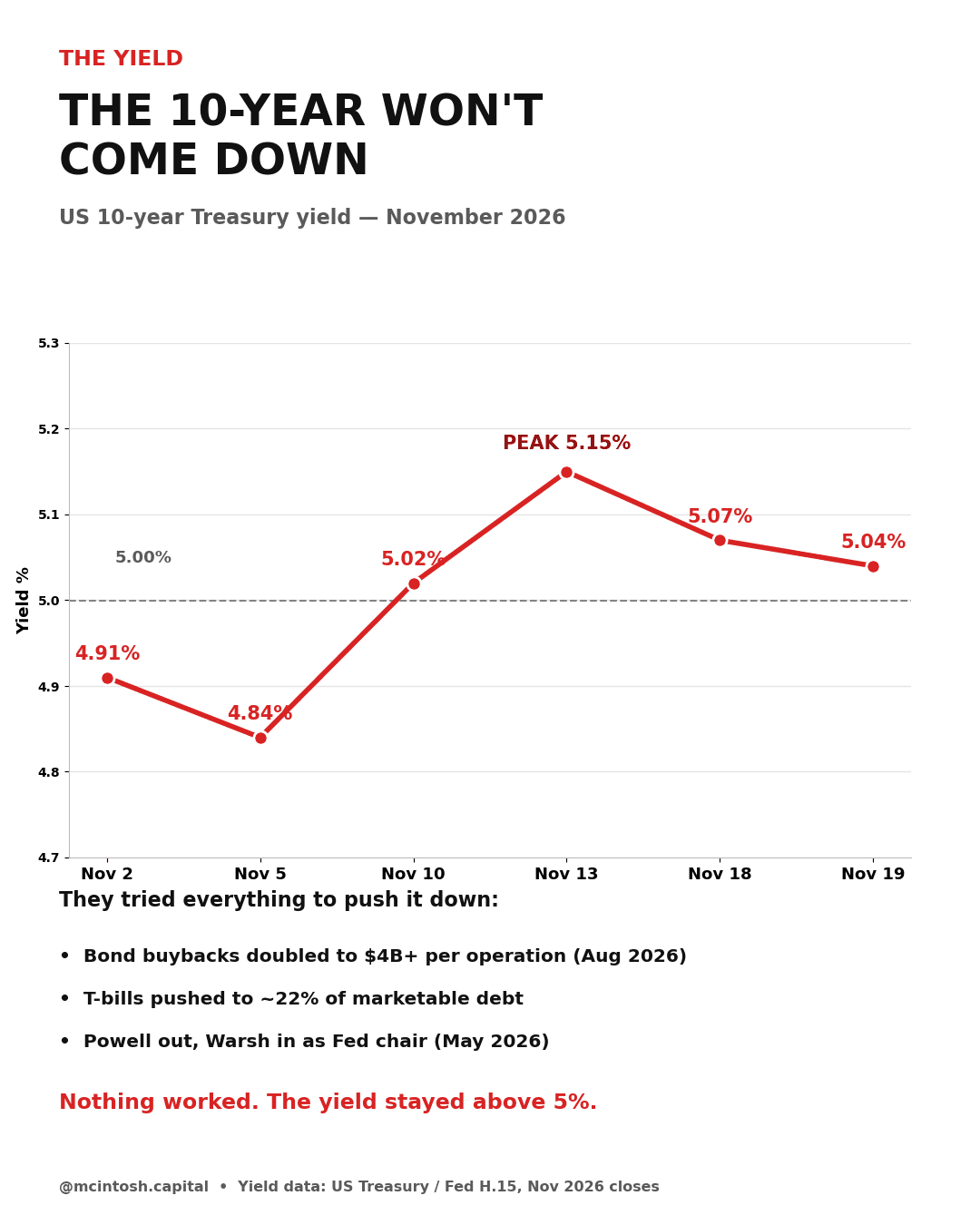
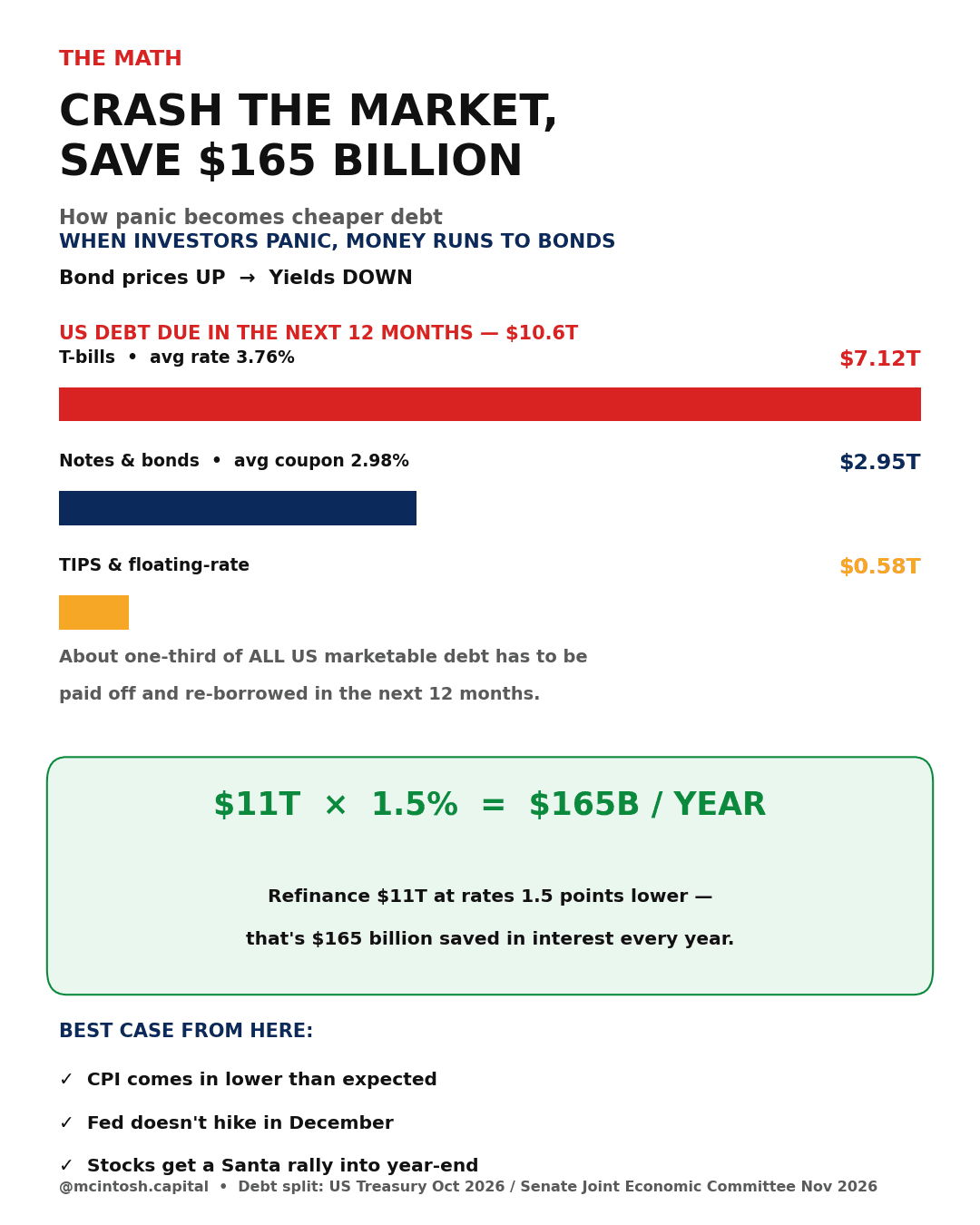
Trump is forcing this market crash on purpose. Here's the math. S&P -2% Thursday, -3.7% Friday. Nasdaq -5.3% Friday. NVDA -12%, AMD -16%, SNDK -19%. Why would he want stocks down? $11 TRILLION of US debt has to be refinanced. When investors panic, money runs to bonds. Bond prices up = yields down. Yields down 1.5 points on $11T = $165 BILLION a year saved in interest. The government already spends $1.05 TRILLION a year just on interest. The 10-year is stuck above 5%. They tried buybacks, they tried T-bills, they swapped Powell for Warsh. None of it worked. Best case from here: CPI comes in soft, the Fed doesn't hike in December, Santa rally into year-end. Is it on purpose? The numbers are the numbers. You tell me.read more
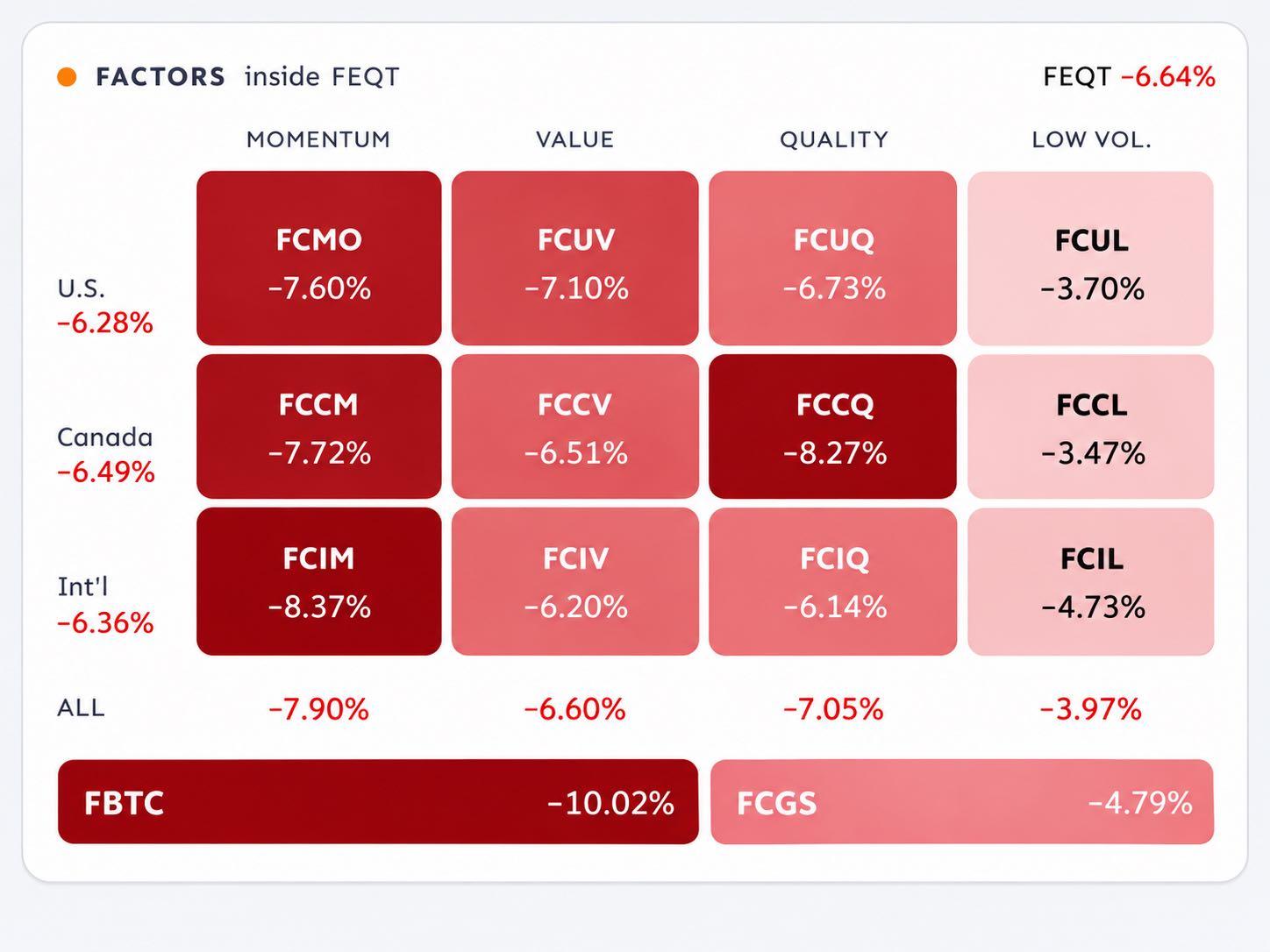
A brutal week for global equities. But what did it reveal about factor investing? After gaining 1.39% last week, Fidelity's all-equity ETF $FEQT plunged 6.64%, as a global market sell-off hit virtually every asset class. For perspective, the S&P 500 dropped 8.6%, while the Nasdaq Composite lost 10.0% (both in USD). Even Canada's S&P/TSX Composite fell 8.1%. The main culprits? Growing doubts about AI valuations and spending, renewed fears of higher interest rates, and a sharp retreat from technology stocks. Even Nvidia's strong earnings couldn't restore investor confidence. But beneath FEQT's headline performance, the individual factors tell a fascinating story. THE RELATIVE WINNERS: LOW VOLATILITY For once, boring was beautiful. Low Volatility was the clear defensive winner, averaging −3.97% across the three regions. 🇨🇦 $FCCL: −3.47% 🇺🇸 $FCUL: −3.70% 🌍 $FCIL: −4.73% These ETFs still lost ground, but substantially less than their momentum, value and quality counterparts. With investors fleeing riskier assets and seeking defensive companies, the Low Volatility factor behaved largely as intended: cushioning the blow rather than eliminating losses. THE BIG LOSER: MOMENTUM Momentum suffered the most, averaging −7.90%. $FCIM led the decline at −8.37%, followed by $FCCM at −7.72% and $FCMO at −7.60%. This is one of Momentum's vulnerabilities. When market leadership reverses abruptly, yesterday's strongest performers can become today's biggest casualties. The sudden sell-off in AI, semiconductor and technology-related stocks likely contributed to this reversal, although the precise impact depends on each ETF's holdings. VALUE AND QUALITY: NO SAFE HAVEN Value averaged −6.60%, outperforming Quality at −7.05%. Interestingly, investors were rotating toward cheaper, less technology-dependent companies. But with selling pressure spreading across financials, industrials and materials, Value couldn't escape the correction either. Quality also struggled, particularly Canada's $FCCQ (−8.27%). Strong fundamentals don't necessarily protect a company when investors are rapidly reducing equity exposure. BITCOIN AND SMALL CAPS $FBTC fell a staggering 10.02%, as Bitcoin joined the global retreat from risk assets. Meanwhile, Fidelity's global small-cap fund $FCGS declined a more moderate 4.79%, providing some relative resilience. THE BIG PICTURE Regional factor averages were remarkably similar: 🇺🇸 U.S.: −6.28% 🇨🇦 Canada: −6.49% 🌍 International: −6.36% This wasn't simply a U.S. technology correction. It was a broad global sell-off. And here's my biggest takeaway: Factor diversification doesn't prevent market corrections. But it can significantly change how a portfolio experiences them. Momentum amplified this week's losses. Low Volatility softened them. Value offered modest relative protection, while Quality proved that fundamentally strong businesses aren't immune to market panic. That's precisely why I prefer combining complementary factors instead of betting everything on a single investment style. ** Analysis assisted with AI **read more
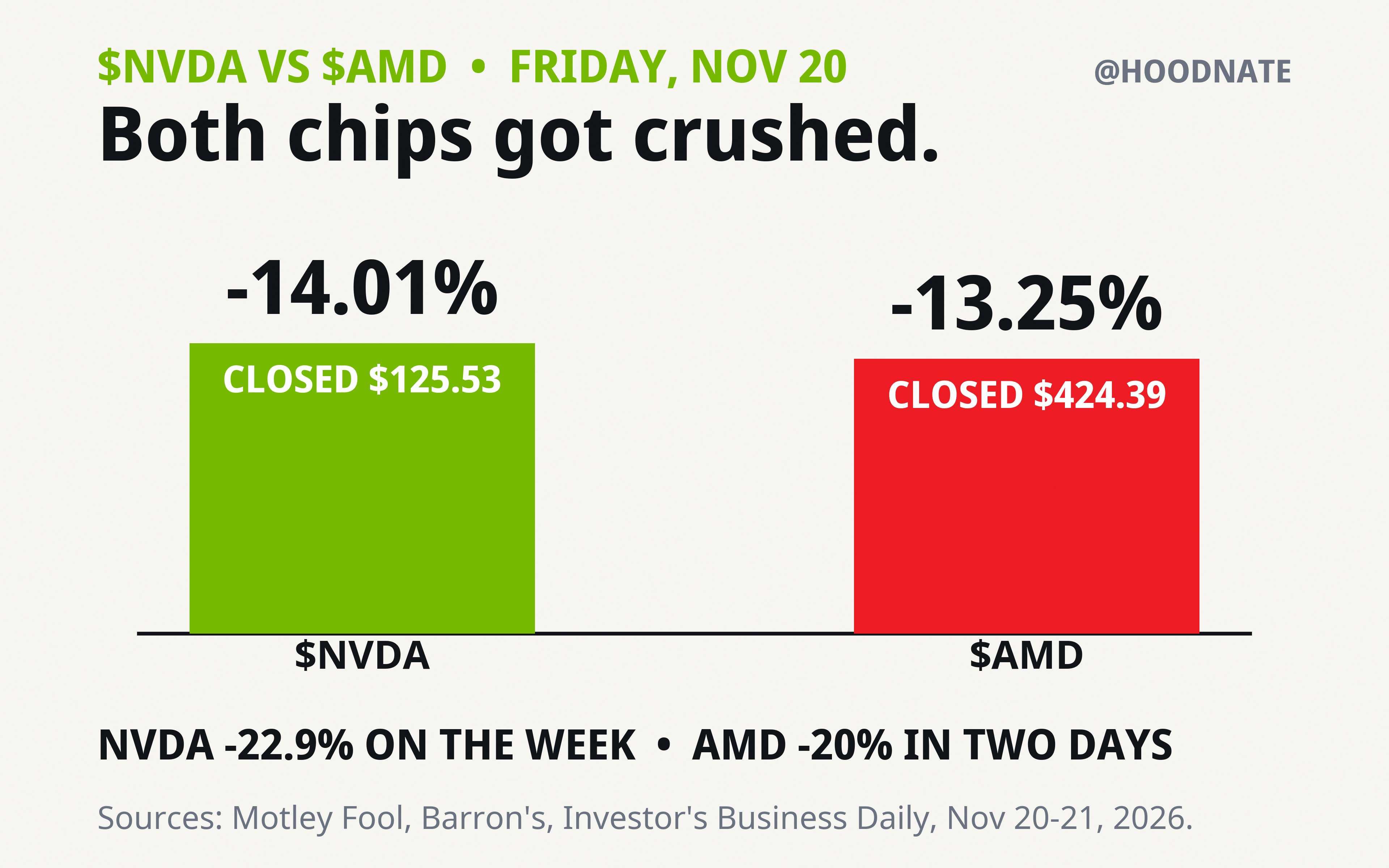
NVDA beat on every line Tuesday night. Then it fell 14% Friday on the SEC probe headline and finished the week down 23%. AMD got hit by a short seller Thursday and fell 13% Friday. I bought a little NVDA in my Roth Friday at $135.42. It closed at $125.53. Yeah, ouch. Which chip do you buy first here, $NVDA or $AMD? Or neither?
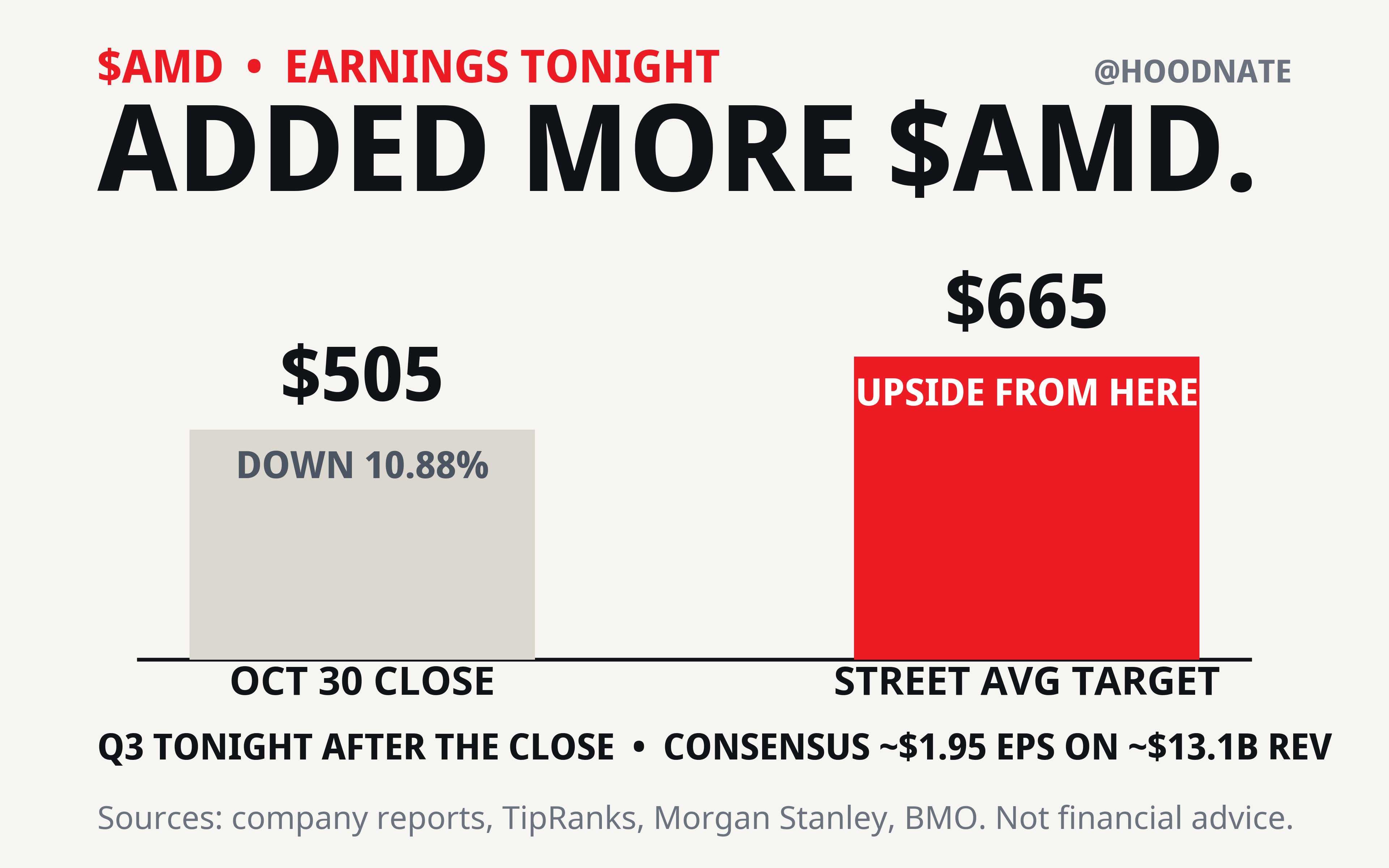
SO, I added more $AMD before tonight's report. It got crushed almost 11% Friday and I think the fear is overdone. Long-term buy & hold for me. Anyone else buying before the close?
$NBIS reported this morning and the stock is down big today. I own it so I read the print closely. On the surface it was a beat. Revenue was $980.8M against about $907M expected. Adjusted EBITDA was $465.8M at about a 47% margin. The loss per share was also much better than expected. Then I kept reading. About $325M of that revenue was one time revenue from a new partnership where the partners fund the capacity. Take that out and the quarter still grew, but the beat is nowhere near as clean as the headline made it look. The bigger story was the spending. Nebius now expects capex of about $27B in 2026. For 2027 they guided to $40B to $45B. Their 2027 revenue guide is $12B to $13B. Let that sink in. They plan to spend roughly three times next year's revenue just building the business. That is why the stock fell. It was not a demand problem. Demand actually looks strong. Databricks and Datadog and Snowflake were named as new customers. Palantir named Nebius a preferred AI cloud partner. The backlog sits at $38.7B. Customers have also prepaid enough on the third quarter deals to cover more than the related capex. The timing slipped a little too. The ARR target that was supposed to land in December is now expected in February. Some colocation capacity moved into the first half of next year. One detail caught my eye as a Bloom Energy shareholder too. The New Jersey campus built for Microsoft is switching its main power to Bloom fuel cells. I own both names so that connection matters to me. If I had to grade this like Wall Street would, I would call it a B+. An A for demand and growth. A much lower mark for how expensive and leveraged that growth has become. My takeaway is simple. The business thesis got stronger today. The clean funding thesis got weaker today. The stock is not down because Nebius broke. It is down because the cost of building it just got a lot bigger. Not advice. Just how I am looking at a position I own when the tape gets loud. read more
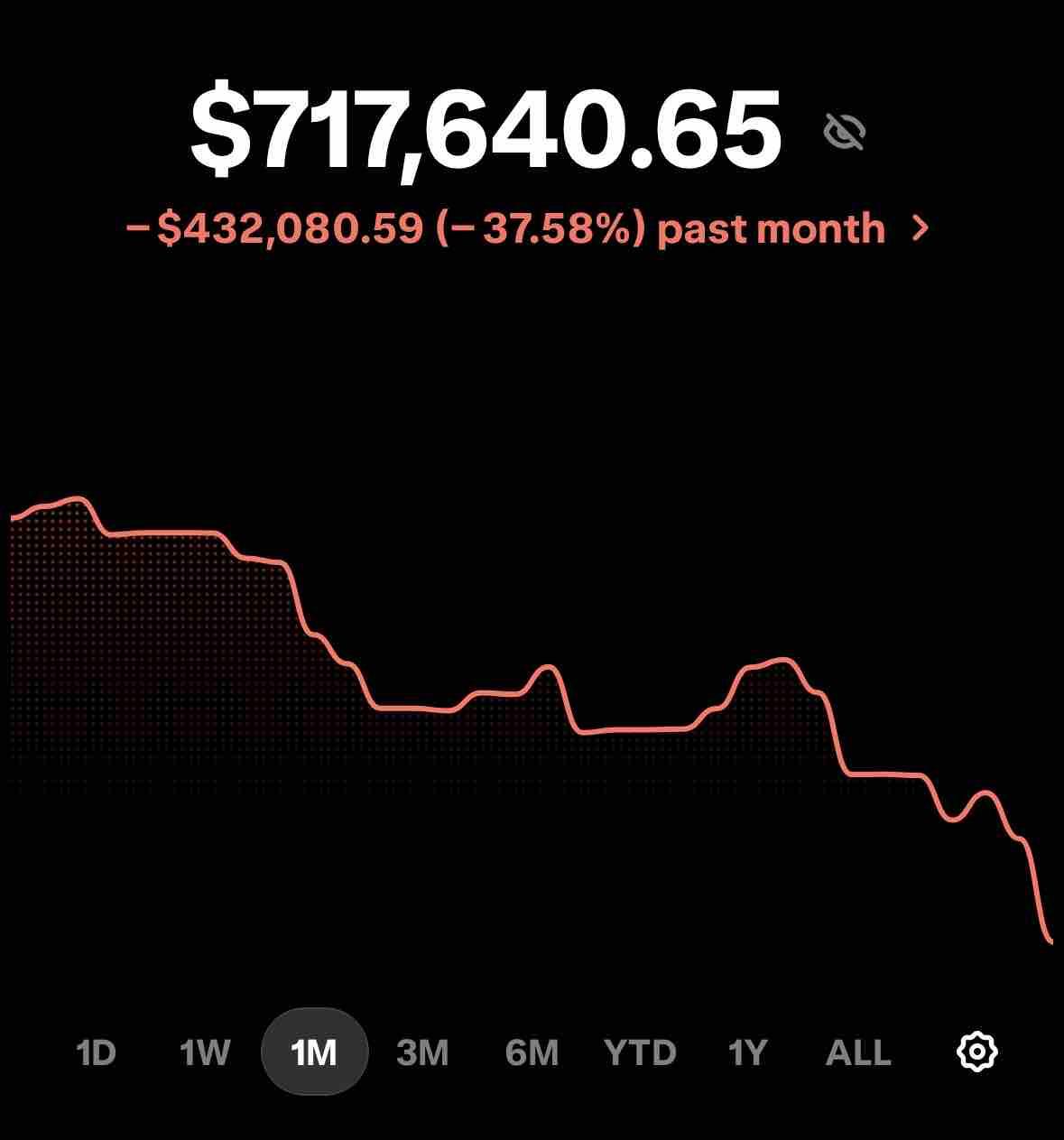
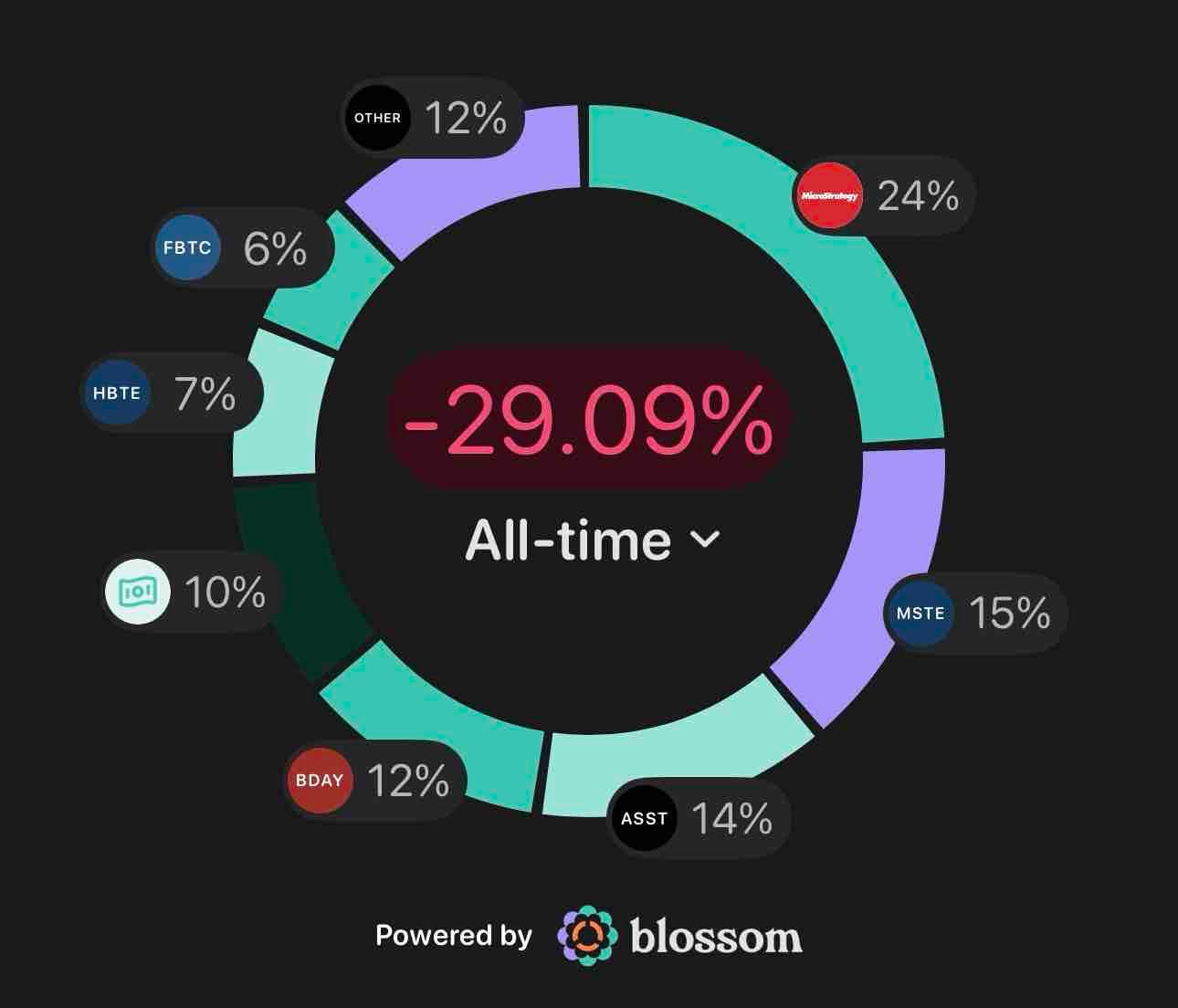
This is my portfolio and the way it’s going red every single day feels like blood draining out of my body. What am I doing wrong here? How do I rescue this portfolio?
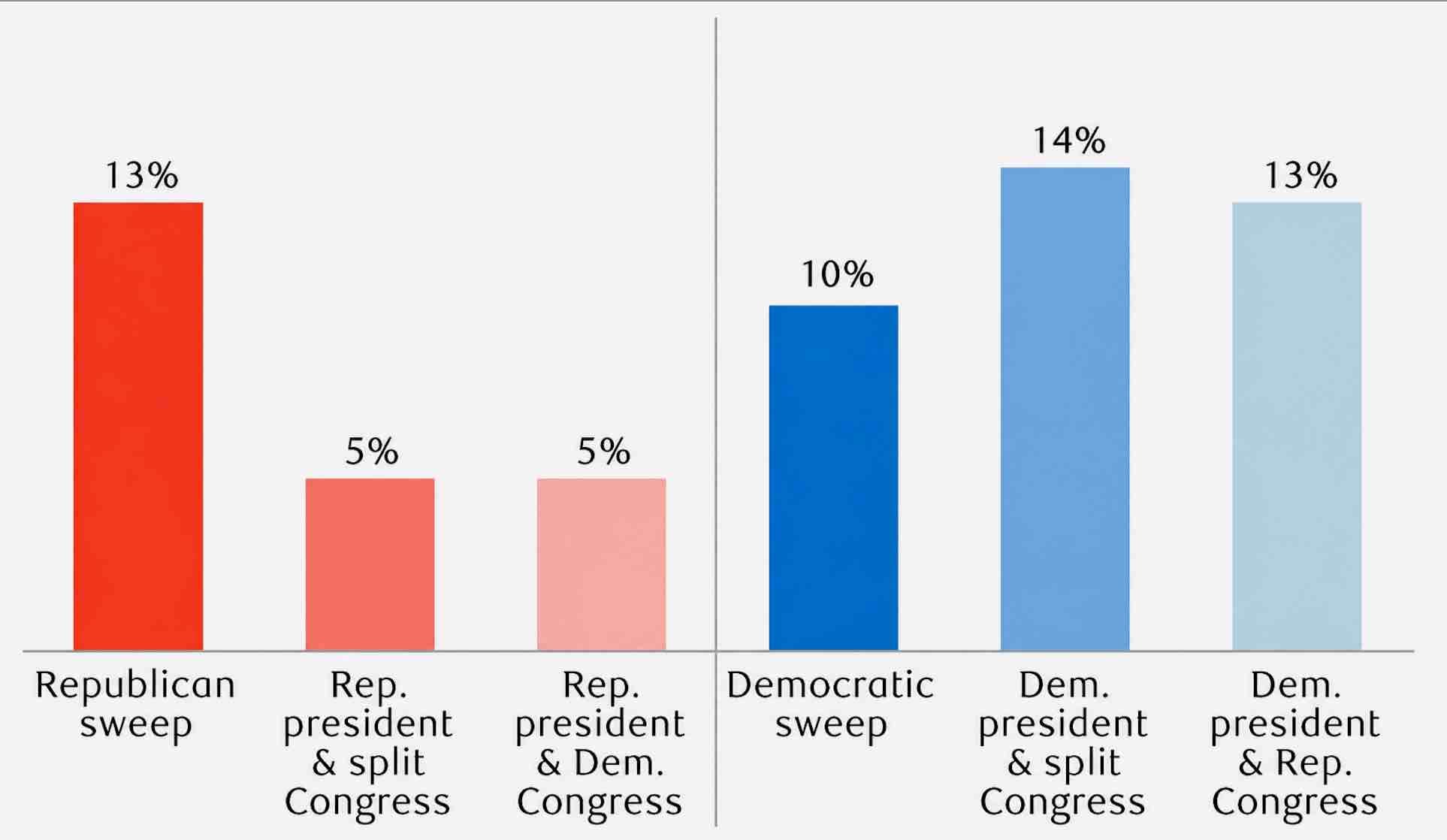
Historically, a Republican President with a Democratic-controlled Congress has produced some of the LOWEST stock market returns of any political combination, averaging just 5%.
With all the noise around Nvidia and AI lately, I find myself drawn to companies like Exchange Income Corporation $EIF One of the things I really like about EIF is the leadership of Mike Pyle and the way the company approaches acquisitions. There’s a discipline to it. Buy good businesses at reasonable prices, keep the people who know how to run them, and focus on growing sustainably over time. In some ways, Pyle reminds me of Brookfield’s Bruce Flatt. Obviously very different businesses, but I appreciate that both seem to understand the importance of capital allocation and not chasing growth just for the sake of getting bigger. What I find especially interesting about EIF is the role it plays in connecting some of Canada’s most isolated communities. Through its aviation businesses, it’s helping provide access to food, medical care, transportation and other essential services in places most of us rarely think about. I like the idea of owning a company that can grow earnings, reinvest in its businesses and increase its dividend while doing something genuinely important. It’s not without risk. Aviation is capital intensive, acquisitions don’t always work out, and debt needs to be managed carefully. But I think Pyle has built something worth paying attention to. Maybe it’s just my investing style, but with so much attention on the next big technology story, I find myself appreciating companies that quietly go about their business, generate cash flow and focus on sustainable growth. EIF is one of those companies for me. Attached is a bit more about their strategy if interested. https://www.exchangeincomecorp.ca/our-strategy read more
Tomorrow at 8 am is $LUNR Q3 earnings!! I’m watching this one super closely since the stock has been trading at a discount compared to the growth over the past couple of months. I have $6000 cash in my TFSA ready to inject into $LUNR, but in condition of great earnings and guidance tomorrow. In terms of financials, I would like to see management reaffirming $900M-$1B revenue for full year 2026 along with positive adjusted EBITDA. I would also like to see margin improvements and a strong cash balance. Ideally, I would also love to know whether the at-the-moment offering is fully closed. I’m wondering if they’re waiting for valuation to return to levels from a few months ago to raise at that level. Although lunar landing isn’t their primary business anymore, I would love to hear more about potential additional contracts for CLPS 1.0 and hear more about how much they expect from CLPS 2.0. I believe we could expect from that at least another billion in backlog. From recent reports it looks like the five relay satellites they are building will supposedly be flying all together on a same dedicated launch next year, meaning the first relay satellite may not launch along with IM-3 delivery mission early next year. This is all speculation until confirmed. Also would love management to touch on data centres opportunity… as we know they’re looking how they could leverage satellite capabilities they gain through Lanteris acquisition for orbital data centres. Lastly would love to know what alternatives are for them for when $SPCX Falcon 9 rocket retires.read more
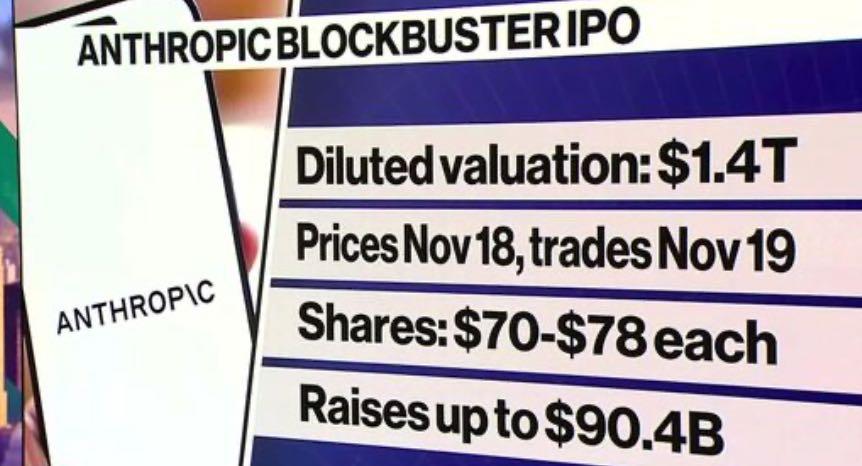
There's no denying the Anthropic IPO is the most exciting IPO to come along in a long time, sans $SPCX of course... Anthropic is targeting an IPO share price of $70-$78 per share ($1T -> $1.4T market cap). I can't speak for anyone else, but I'm always looking to get a discount to my fair value when buying stocks. I've yet to determine my Anthropic 'fair value', but Morningstar has and they say it's worth $92 per share and they've given it a 'narrow moat' as well. Fair values are subjective, so I'd like to hear your thoughts... What do you think of Morningstar's fair value for Anthropic and do you have one of your own? If so, what is it? https://www.morningstar.com/stocks/anthropic-we-see-stock-undervalued-ipo-pricing-range
I've been an $NVDA shareholder for over a decade. and I think the Jensen Huang saga is a very big deal... Why? The FBI and other intelligence agencies are investigating Jensen's relationship with an alleged China spy (eg. national security risk), and that alone tells me this is far more than just "noise", regardless of the outcome IMO. To be clear, I'm not selling my NVDA shares at this point but it's clear Nvidia has significant 'single-person risk' with Jensen, which I admittedly ignored for years due to his stellar reputation. Let's be honest about this... If this happened with anyone else at Nvidia, they would have been fired on the spot 'with cause', but yeah, it's just "noise"... I'm not selling my shares, so I'm obviously not suggesting everyone else go out and sell their's... With that said, I do think we should at least consider the potential bad outcomes here, the worst of which, from an investing standpoint, is Jensen no longer being CEO of Nvidia. Very unlikely unless there's proof of complicity w/alleged Chinese Spy, but cannot rule it out entirely... Not to mention... Who's to say there aren't more skeletons in Jensen's closet?.?.? "Fool me once, shame on you; fool me twice, shame on me"
I know $CRWV, $NBIS, $IREN and other NeoClouds are popular amongst much of the Blossom community, but I have a differing view... What do these companies do? The vast majority of NeoClouds business is renting computing capacity to the hyperscalers to handle overflow demand. Said differently, they're safety valves for traditional hyperscalers like AWS, Google Cloud and Microsoft Azure. Why I have zero interest? When hyperscaler's datacenters eventually meet & exceed capacity demands, they'll no longer need the NeoClouds compute and just like that, the vast majority of NeoCloud's revenue will dry up. This isn't an 'if', but 'when' IMO... AND I didn't even talk about the debt! To be clear... I'm not suggesting they'll go out of business next year or even in the next few years, but there's far too much risk and too many unknowns for me to invest in the NeoClouds. In the end, a business model focused almost exclusively on renting raw GPU infrastructure is too limited and flawed IMHO. Maybe I'll be proven wrong, which is fine; wouldn't the first time and surely won't be the last. Plenty of other investments with far less uncertainty I'd rather risk my money on. To those investing in the NeoClouds, I sincerely wish you good luck.
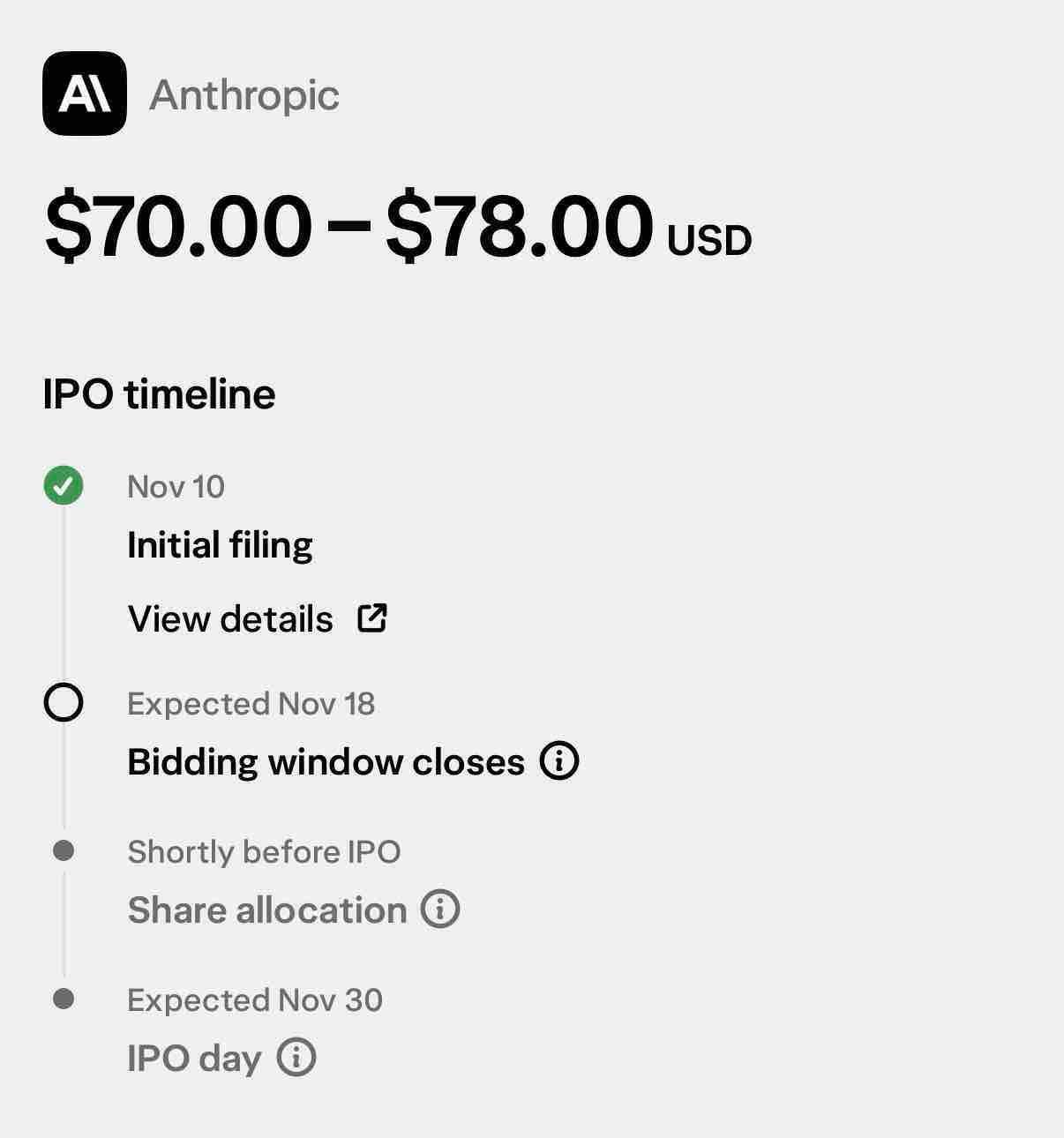
Just got this notification from Wealthsimple asking me to reserve some shares for Anthropic’s $ANT upcoming IPO. So I figured I’d take this time to share my thoughts on why I’m not buying, and just the overall feeling around AI and its risks. Don’t worry; I’ll keep this short! While the timeline isn’t yet verified, we know Anthropic’s IPO is coming at least in the next month or so. Personally, to summarize, similar to the $SPCX IPO (which I wrote about here: https://link.blossomsocial.com/7uYa/6vw315ei) the valuation itself makes the idea of investing right off the bat risky. That’s reason number one above all. Exit liquidity is also real problem with longtime private shareholders of Anthropic now having access to the private markets to cash out over the coming months after years of amazing returns. There’s also the concern of tens of billions of debt being turned into common shares right before the IPO, meaning you’re immediately buying into a massive amount of dilution. (Somewhere around $100b worth of debt will be redeemed into equity right before shares are public.) And not to mention the obvious factors of expenses outpacing profit as seen in the prospectus, and other uncertainty with how the business of a top-tier AI research firm (and LLM developer) will last long-term. Now, I said near the beginning of the year that the only commercial AI model developer that I’d invest in other than Google $GOOG would be Anthropic, and I still believe that today. (My other AI company interest would be Cohere (Canada’s major AI model maker; purely a commercial play, and it’s backed by the Canadian government because they’re planning an IPO as well). But that’s for a different day.) There needs to be a lot of things going right for me to even consider investing in IPOs, not just Anthropic’s. But seeing as the thesis for investing in Anthropic is more about “we’re pricing in future profits that aren’t proven,” it strays away from my usual approach. That being said, investing in companies with existing market dominance and current profit and cash flow, with verified growth trends. Anthropic doesn’t have any current profit or positive cash flow in a way I’m comfortable with. And it definitely doesn’t have verified growth trends. (For perspective, from the S-1, current revenue is about $33b compared to ~$100b in net losses year to date for 2026 with long-term spending commitments of $900b. These are video game financial numbers.) Nothing about AI or AI’s growth is verified. I believe the technology is here to stay, but politically, who knows? With China, current conflicting motives by Trump and the newfound double-majority legislature of Democrats pushing for a pause on AI… Even the major data centre states like Texas, now controlled by leaders who are vowing for an AI slowdown have risks. Last I read, ~27% of total U.S. data centre development is (or was) meant to be in Texas. And now that’s expected to change. Analysts are already pricing in less growth given the new U.S. political changes. Though this “slowdown” will start near the beginning to mid-2027 as the newly elected senators and representatives come into power. (This would also affect my current holdings, but the difference is that a company like Amazon $AMZN or Google can weather it, while a startup behemoth like Anthropic gets affected far more.) Additionally (and I think it’s worth talking about, maybe not as it relates to buying shares, but AI in general) Anthropic themselves did mention in its S-1 that there are humanity risks to the technology they’re developing. And considering I haven’t shared my thoughts on the OpenAI Hugging Face situation that happened, here’s my sort of view on the “AI will kill us all” risk: Will AI kill us all? Maybe. But are companies deliberately making a danger story to sell their own shares? I don’t think so. I don’t believe that the AI companies are lying about these models disobeying orders and being a real threat. And I really do think there’s a human risk to freeloading and going forward without any caution. So I support a temporary slowdown, or even better, a more public way to monitor reasoning of the models, and to prevent development of a broad all-encompassing superintelligence, and instead develop sector-specific superintelligent models. I forgot who said this, but it was an AI researcher (paraphrased): “If you train an AI on math and science, it’ll become really smart at math and science. But if you train it on the internet and all of human knowledge, it’ll become smarter than humans.” Another way I heard it explained was Imagine 10,000 Albert Einsteins, machines 10,000x as smart as Einstein, but in every single subject ever. Most people never did and will never understand Einstein and his thinking and his ideas of the cosmos. But an AI 10,000-Einsteins-level-smart, in every subject? You get the implication. My hot take ultimately though is that if AI is truly a threat and kills us all and leaders ignore risks for the sake of profit, what can I do about that anyway? I’ll be dead. 🤷♂️ And it wasn’t my decision to make. As morbid as that sounds. We just have to support and enforce regulation, and avoid making a particular model that supersedes our control. There’s risk. And we shouldn’t assume there isn’t. That’s my opinion as far as that. History unfortunately does usually tells us that a lot of good comes from technology, but for technology we don’t understand the true scale of it. Something has to happen for us to understand the scale. I think if the AI risks come to be true, then something bad will probably happen before politicians and other tech giants themselves actually adjust their strategies. I’m not hoping for it. But I have a feeling that’s how this’ll play out. Overall, whether AI will do a lot of good, a lot of bad… who knows? But specifically from an investment standpoint for Anthropic and its IPO, it’s too unpredictable to make a decent bet. Again, like my SpaceX IPO write-up, the core logic is the same around uncertainty and growth risks. (So you can always give that a read if you’re interested in that perspective!) And long-term, considering certainty and the predictability of a business usually drives returns, you can understand why investing (or should I say betting) on an unprofitable startup being listed at a $1.75t valuation, to make you massive returns, is an odd idea. Least I can say is understand what you’re investing in if you’re planning on buying into this. I’ll link Anthropic’s prospectus/S-1 for you to read below. As Buffett once said, there’s no risk turning down a potentially bad investment. All you lose is opportunity. And opportunity doesn’t only appear once. Happy investing. Anthropic prospectus for research (if you plan to buy; or just for interest): https://www.sec.gov/Archives/edgar/data/2130357/000162828026068676/anthropicpbc-sx1ax1.htmread more
This is nothing. I wish payday was today so I could have deployed even more than my usual DCA. Just numbers on a screen, the ten best days are often within days of the worse ten days. This is a generational opportunity to fill the saddle bags then head for Dodge. 🤠 Not gonna have much dry powder left at months’ end. When others be cryin’ I be buyin’ - although I’ve switched gears now to $ZEQT$ZALL$VVL and $CASV plus my Global X corporate portfolio. Bettin’ I drop under -40% and then I’ll sell my teenagers pickup truck 🛻 to buy more 😂. Walking is good for him.
The Sensex (basically India's version of the Dow) went from ~74,150 on Oct 29 to over 82,500 by Nov 17. It’s up over 13% in 1M while the rest of the world eats shir 🤯 The first week of November was India's best week since 2021. That's crazy!! So what's tf is going on? 👇 1️⃣ The AI money is rotating 🤖➡️🇮🇳 For the last two years, global investors pulled billions out of India to chase AI stocks in the US, Taiwan and Korea. India has barely any AI exposure, so it got left behind. Now investors are getting nervous about how much is being spent on AI, and India is being treated as the "non-AI hedge." Foreign investors bought $8.5B+ of Indian stocks in just the first two weeks of November. 2️⃣ Oil crashed 🛢️📉 India imports most of its oil. Brent fell more than 16% in ONE week. Cheaper oil = lower inflation, a better trade balance and a stronger currency. It's basically a discount for the whole country. 3️⃣ India got cheap 🏷️ After all that selling, big Indian companies were trading at attractive prices again, and earnings have held up. 4️⃣ The rupee is flexing 💪 The rupee became Asia's best-performing currency in November, up ~2% and at a 7-month high. 🔮 So… does it keep going? 🐂 The bulls: Citi raised its Nifty target to 28,000 by end of 2027. Bernstein bumped its December target to 26,100. 🐻 The skeptics: Many analysts think this is a short-term rotation, not a permanent shift. Foreign investors are still net sellers of Indian stocks for 2026 overall. And at a ~20.5 P/E, India isn't exactly cheap compared to other emerging markets. If AI stocks bounce back or oil spikes again, that money could leave as fast as it came. It’s definitely a volatile one 🎣 My take? This is a comeback, not a record high. The Sensex is still slightly down for the year. Let's see where this goes 👀 📚A few broad India ETFs people look at: • $INDA, iShares MSCI India (0.61% fee): the biggest one, ~130 companies • $FLIN, Franklin FTSE India (0.19% fee): one of the cheapest • $EPI, WisdomTree India Earnings (~0.84% fee): weighted by company profits, includes smaller companies Even broad single-country ETFs are riskier than a global fund. You're taking on India risk AND currency risk. ⚠️ This post is for educational purposes only and is not financial advice. Always do your own research before putting your money into anything.read more
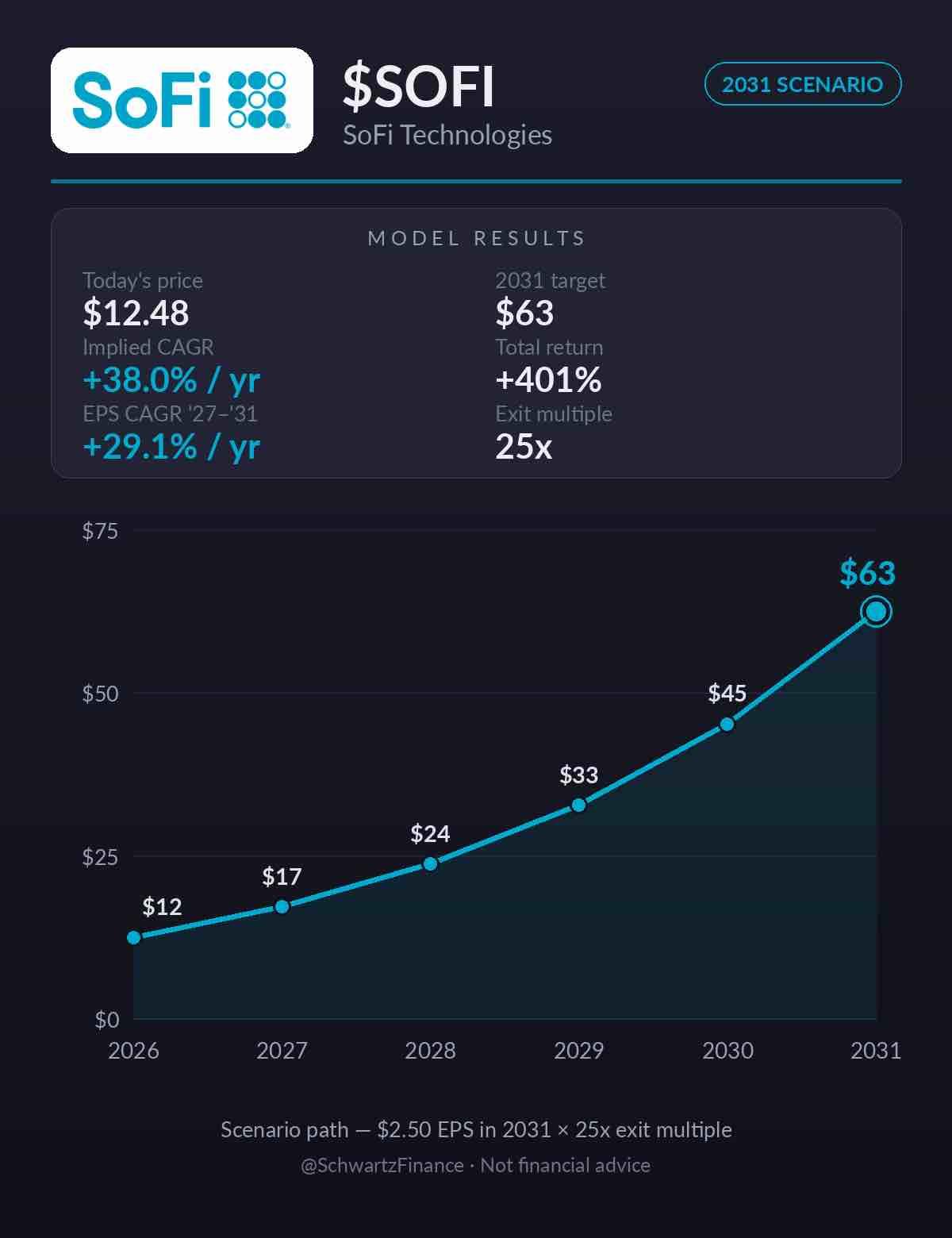
$SOFI trades at only 13.8x 2027 earnings… Sofi currently has $0.55 EPS in the trailing twelve months and is targeting $0.90 EPS for next year. That’s 50% growth trading at a 13.8x multiple, a 0.28 PEG The stock trading this cheap makes 0 sense and I believe Sofi is one of the easiest buys in the market today. Assuming $2.50 EPS (29% CAGR after 2027 guide) in 2031 and a 25x multiple this stock could be trading at nearly $63 / share, 5x higher from today’s price. What is stopping you from buying Sofi stock today? read more
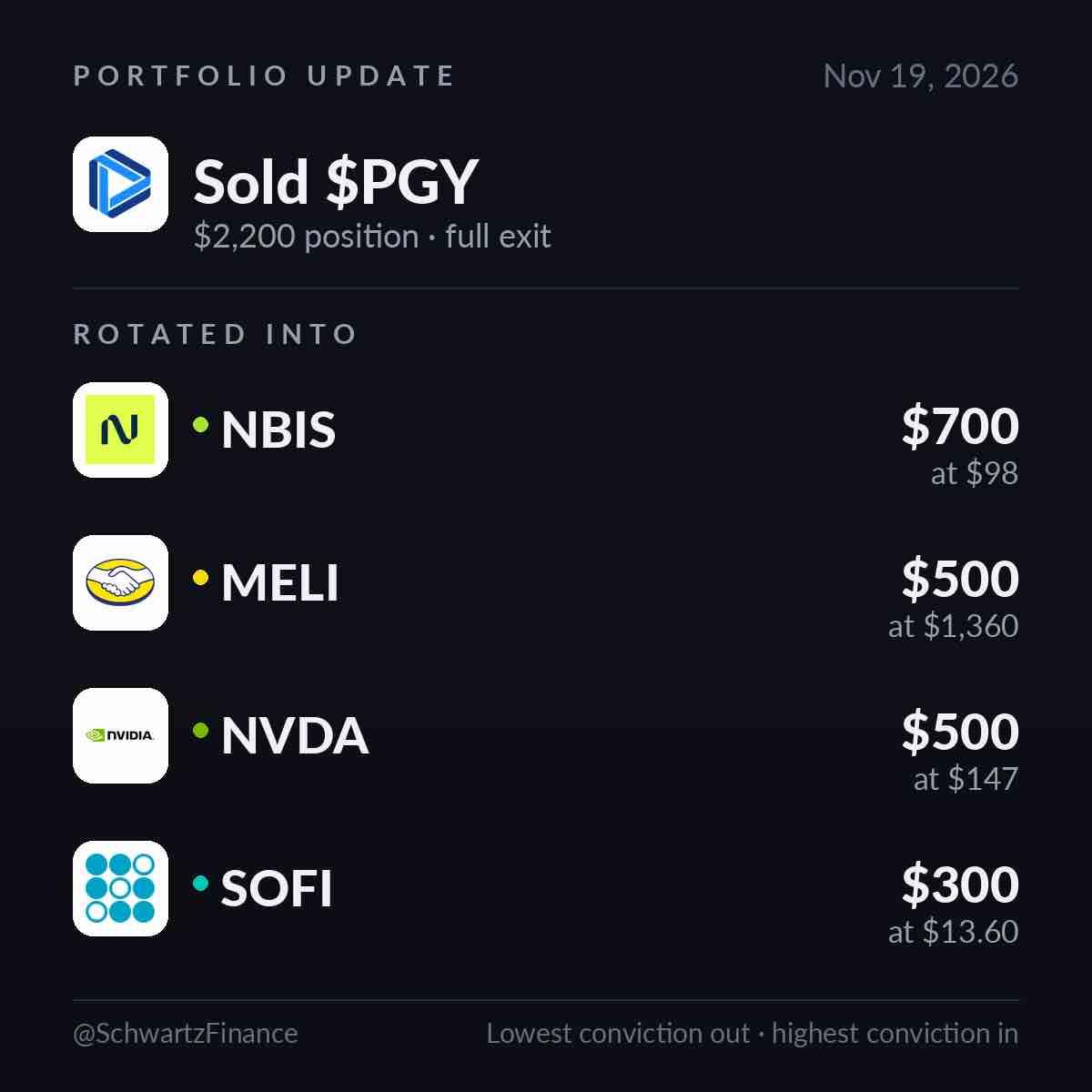
PORTFOLIO UPDATE 🚨 Over the last 2 days I sold my $2,200 position in $PGY and rotated into some of my higher conviction names. I still believe in the long term thesis of PGY but I wanted to double down on the same I am more confident in & ultimately know more about. Where the money went:👇 • $700 → $NBIS at $98 • $500 → $MELI at $1,360 • $500 → $NVDA at $147 • $300 → $SOFI at $13.60 Why? Nebius trading back below $100 after reporting 571% YoY revenue growth and 100% GPU financing from customers makes no sense to me. The fear is due to the 50% increase in CapEx but I believe that is necessary to capitalize on the demand. Now Mercado Libre, which has been getting beat down like crazy after another quarter of 45% YoY revenue growth. Once again compressing margins but growing unique active buyers 22% and fintech MAU’s 29%. This is a decade long hold for me as this company continues to grow into the LatAm market. Nvidia now trades at 9.8x forward earnings while growing EPS 108% last quarter. The PEG is around 0.15 for 2027 and ai chip demand isn’t going to just “disappear”, sure a slowdown is inevitable but the valuations still make 0 sense. Last but not least we have Sofi. Again a valuation story which doesn’t make sense to me, expecting $0.90 EPS for FY 2027 while trading at only 15x that. Revenues continue to grow rapidly along with members and deposits. This stock could double and still be fairly valued 🤷♂️ Was this the right move? read more
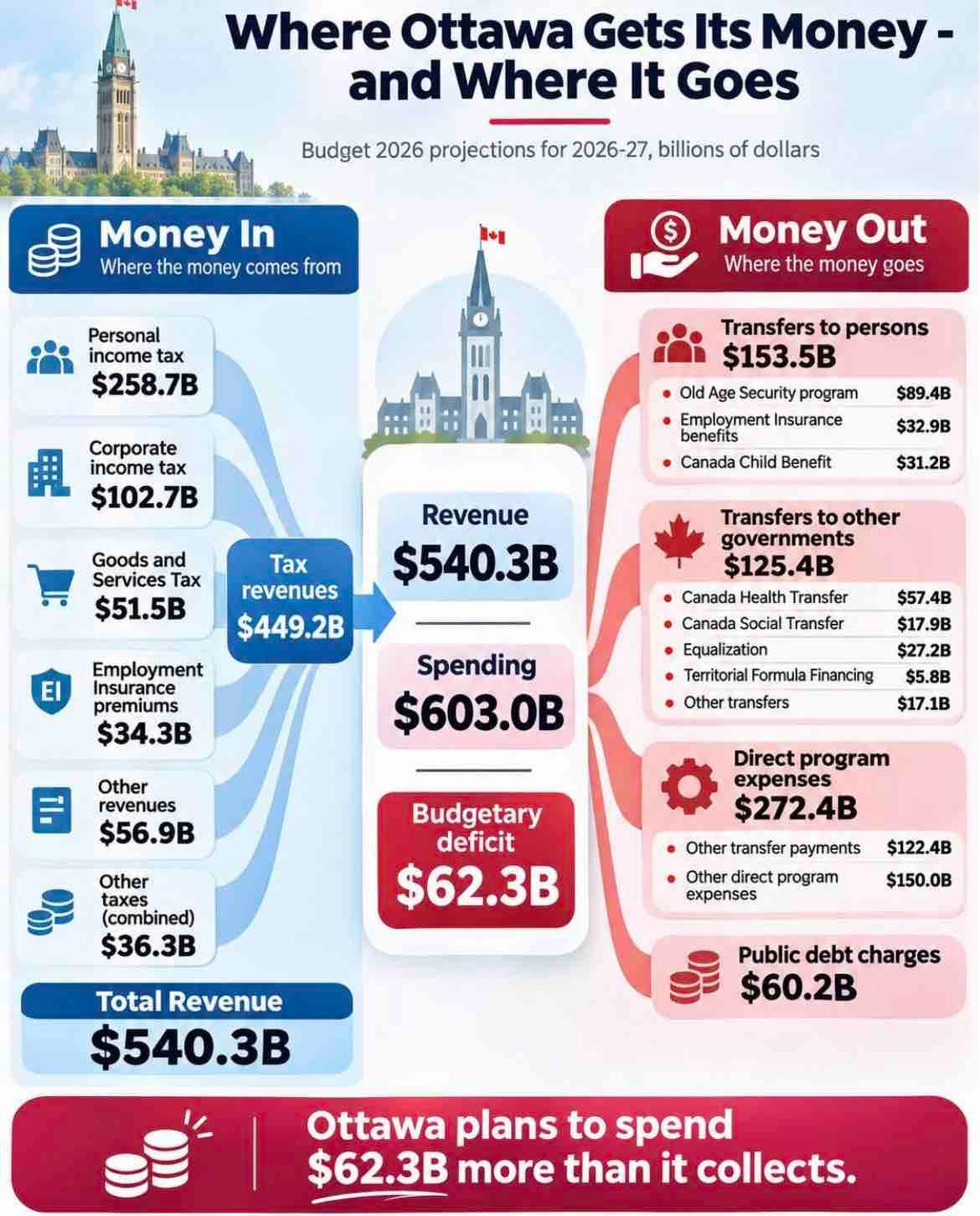
— Looking at 🇨🇦 Ottawa’s 2026–27 fiscal numbers gives a huge reality check on where tax dollars come from, and why tax-smart investing matters more than ever for Canadians: 1. Where the Money Comes From ($540.3B Total Revenue) - Personal Income Taxes: $258.7B (almost half of every dollar collected!) - Corporate Income Taxes: $102.7B - GST: $51.5B - Other Revenue: $127.4B 2. The Spending Gap ($602.6B Total Expenses) - Even after collecting $258.7B directly from individuals, Ottawa still faces a $62.3B deficit (about 1.8% of GDP). - Whether you believe government needs to rein in spending or invest more in healthcare, defence, and infrastructure, one truth remains: The money has to come from somewhere, preferably a real plan rather than vague promises of "future economic growth." 3. Investor Takeaway Shifting more revenue toward consumption taxes (like the GST, which visitors also pay) and easing corporate taxes would help Canadian businesses stay globally competitive. Meanwhile, with personal taxes carrying nearly 50% of the federal load, sheltering your investments inside TFSAs, RRSPs, and FHSAs, and keeping fees ultra-low, is the single best way to protect your after-tax returns! Did you know? - Ottawa collects $48 out of every $100 in federal revenue directly from individual taxpayers, making your TFSA, RRSP, and FHSA the most valuable tax shields you own? - in a non-registered account, eligible Canadian dividends (from banks, pipelines, and utilities) are taxed at a much lower rate than regular salary or GIC interest thanks to the federal dividend tax credit? If you were Finance Minister for a day, would you cut spending, shift toward a higher sales tax, or leave things as they are? — This is for informational and educational purposes only. read more
— The Dutch central bank just quietly moved 86 tonnes of gold, worth over $11 billion, out of vaults in New York and Ottawa and into London. They took about 78 tonnes out of the US and 7 tonnes out of Canada. Now, London holds the biggest chunk of Dutch gold at 32.1%. So, why are they moving it across the ocean? It comes down to three big reasons: 1. Fast cash in an emergency London is the biggest, fastest-moving physical gold market in the world. Keeping gold at the Bank of England means the Netherlands can trade, lend, or turn those bars into cash much quicker during a crisis than if they sit in North America. 2. Global tension The central bank openly pointed to rising global unrest, like trade fights and overseas conflicts, as a main reason to bring their safety net closer to home. 3. They aren't alone Other European countries are doing the same thing. France also pulled 129 tonnes of its gold out of New York to keep its reserves closer. 4. Eroding Trust in US Stability: Aggressive tariff threats, trade wars, NATO friction, and unpredictable foreign policy (like disputes over Greenland and European alliances) have made European nations rethink keeping their ultimate financial safety net inside US jurisdiction. When trust in the traditional rules-based order weakens, central banks want their physical assets closer to home. 5. Why Canada was included: Canada didn't lose its gold because of a loss of trust in Ottawa, in fact, Canada's share only dropped slightly (from 19.7% to 18.5%). Rather, because the US and Canada are both across the Atlantic, gold sitting in Ottawa is simply much slower to trade or turn into emergency cash for a European bank than gold sitting right next door in London's massive bullion market. Good to know: 1. Why so much European gold was in New York and Ottawa in the first place: During World War II, European countries shipped massive amounts of their gold across the Atlantic to vaults in the US and Canada to keep it safe from falling into Nazi hands. For decades, much of it just stayed there because the US was seen as the ultimate safe haven. 2. Most of this "$11 billion move" didn't even get on an airplane: Moving physical gold bars across the ocean is expensive, risky, and older bars often don't meet modern trading standards. To avoid shipping all 86 tonnes, the Dutch central bank physically flew or shipped about 27 tonnes, and for the other 59 tonnes, they simply sold gold in New York and simultaneously bought the exact same amount in London. What this means for investors: - Central banks aren't dumping gold, they are just making sure they can actually reach and trade it fast when things get rocky. It's a solid reminder of why big institutions treat gold (or ETFs like $GLD, $PHYS, and $CGL) as crisis insurance. Do you hold any gold or mining stocks in your portfolio right now, or do you stick strictly to equities? — This is for informational and educational purposes only. read more
— Right now, Canadian investors are getting pulled in two directions at once. While AI and tech stocks are taking a sharp dip, market watcher Brooke Thackray (on BNN) warns that a surging U.S. dollar has been acting like a wrecking ball since September, hitting global currencies, commodities, and overseas stocks ahead of the U.S. Fed's December 9 rate decision. If your portfolio is heavy on Canadian energy, mining, or U.S. tech, you are feeling every bump of that tug-of-war. Good to know: 1. A strong U.S. dollar drags down oil and gold: Because oil, gold, and metals are priced in U.S. dollars around the world, a stronger U.S. dollar makes them pricier for foreign buyers, which pushes commodity prices down and hurts Canadian resource stocks. 2. A weaker Loonie gives U.S. ETFs a hidden lift: When the Canadian dollar falls against the U.S. dollar, regular (unhedged) U.S. ETFs held in CAD get an automatic currency boost when converted back, helping cushion some of the market drop. 3. When tech swings wildly and a strong U.S. dollar pressures oil and mining, spreading your money across simple, low-cost ETFs like $XEQT (global stocks), $VFV or $ZSP (U.S. market), and $XEF (international stocks), plus keeping a safe cash cushion like $CASH, helps keep one bad market week from shaking your whole plan. What is your move in this market, buying the tech dip, holding extra cash, or sitting tight? — This is for informational and educational purposes only. read more