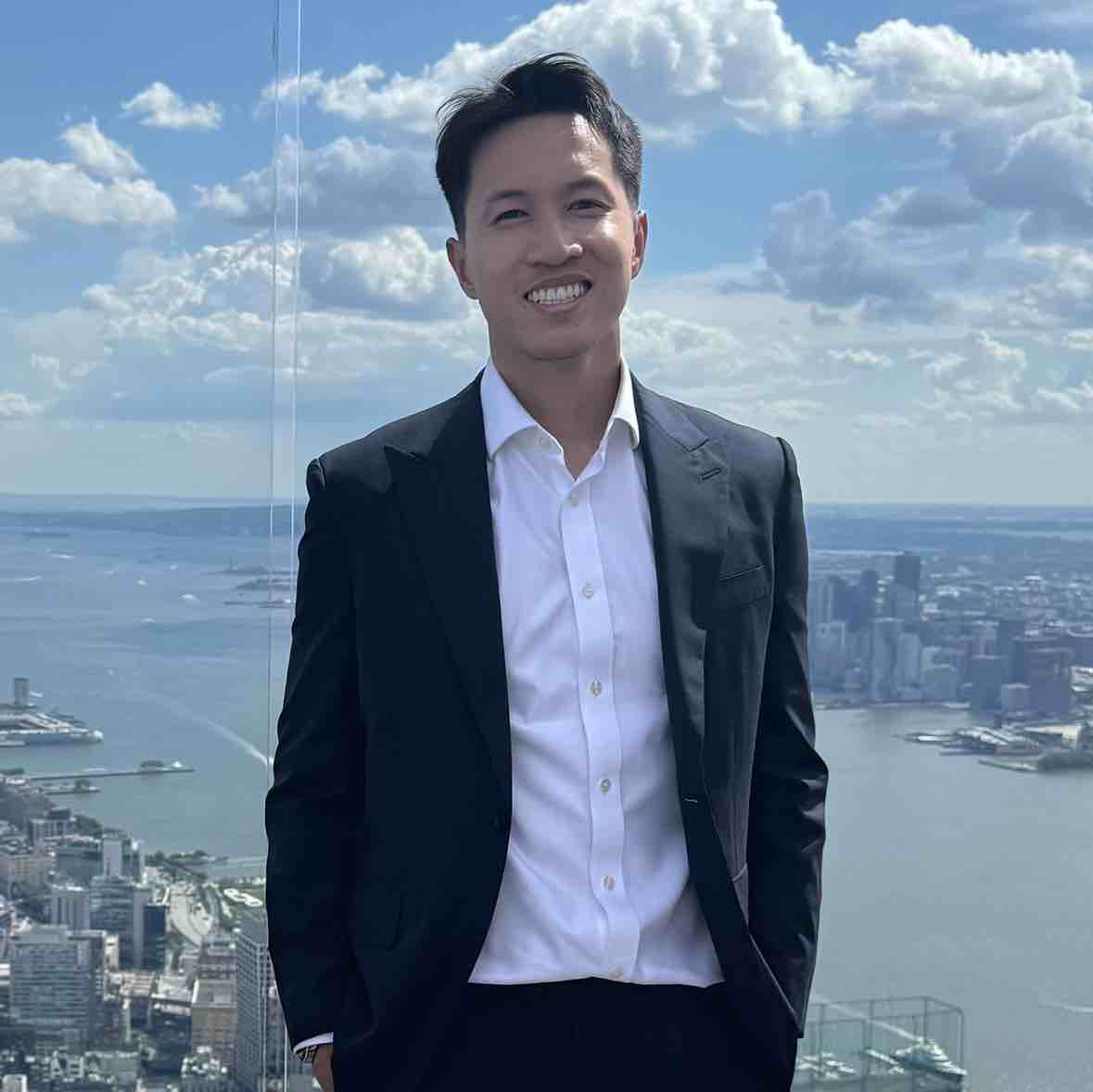
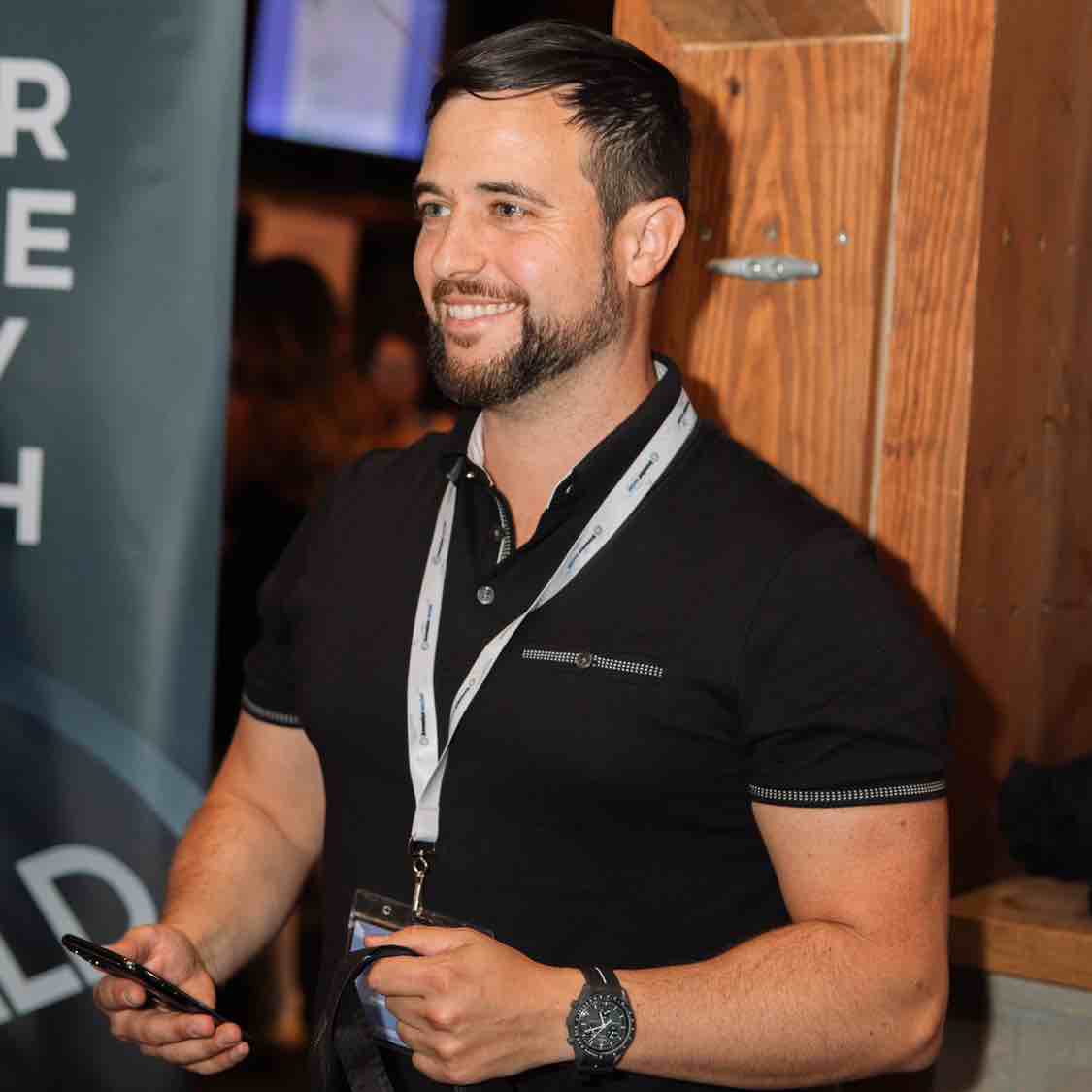
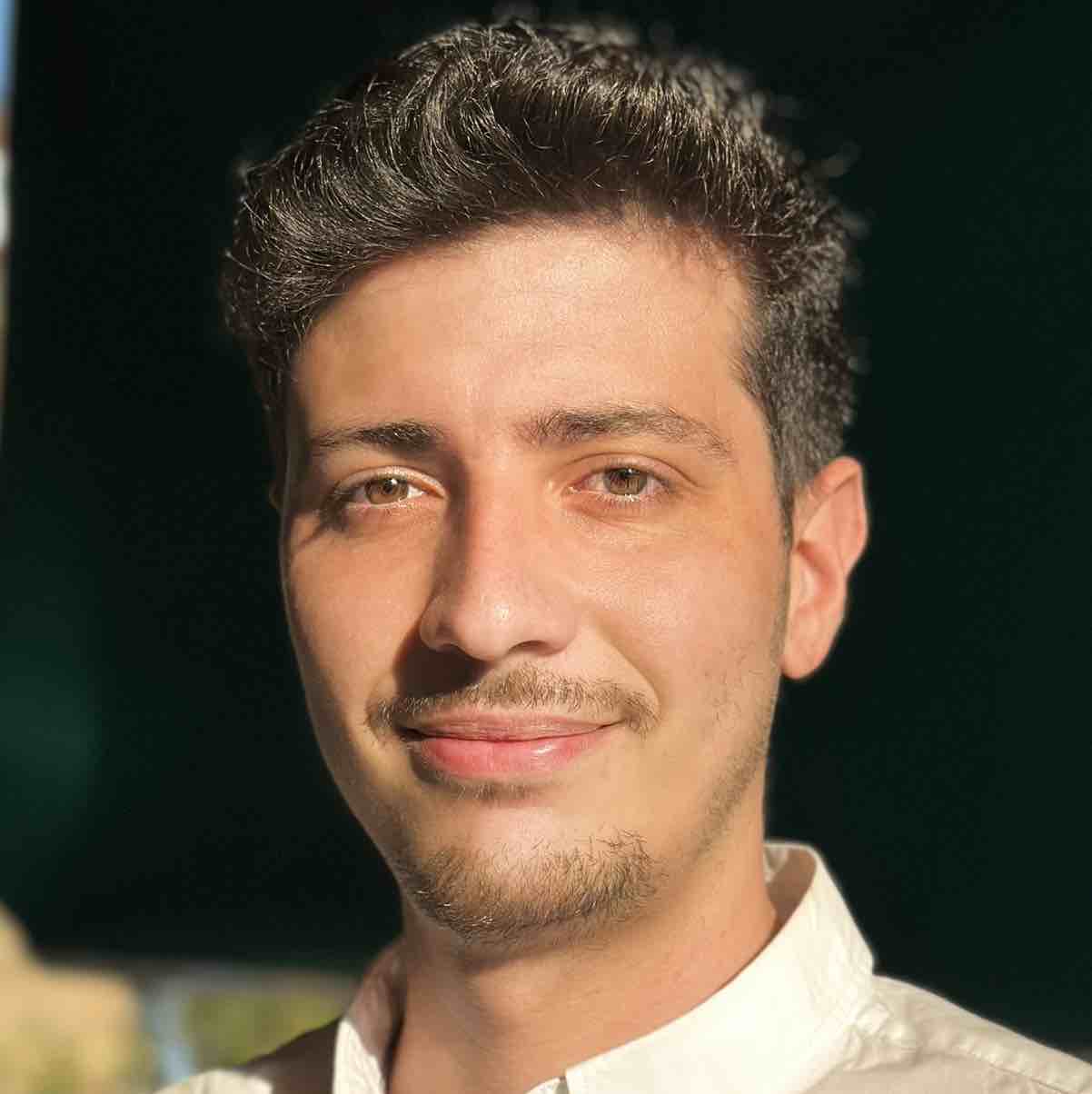
Luis Solórzano has been a valued member of Finom Group since 2024, contributing both as an investor and as an emerging business professional. His journey in the financial markets began in June 2020 during the heightened uncertainty of the COVID-19 pandemic, a period that also marked his temporary departure from college for personal reasons—an episode he acknowledges shaped his resilience and pragmatic approach to learning. He recently graduated from the University of Houston Bauer College of Business with a BBA in Management and a Minor in Entrepreneurship within an Applied Leadership Career Track. To date, Mr. Solórzano continues to build on his experience as he advances his professional career, navigating an ongoing series of challenges and opportunities that have served as catalysts for personal and financial growth. His investing career originated with the purchase of $1,000 worth of Tesla (TSLA) shares and 100 AMC shares at $3 each via Cash App in the immediate aftermath of the COVID-19 market scare. He also experimented with zero-day and weekly options trading on Robinhood, recognizing in retrospect that such activities constituted speculative risk-taking rather than genuine investing. As is common among many Wall Street newcomers, tuition is often paid in the form of costly mistakes—a fact that has shaped his subsequent approach to markets as Seth Golden, Finom Group’s founder, frequently observes: “The market is one of the most expensive places you can pay for your missteps.” Luis remains an advocate for active participation, recognizing that involvement is essential for growth. Those early lessons and “fool’s gold” mistakes have proven invaluable, prompting necessary corrections and a more robust investing discipline since joining Finom Group. Mr. Solórzano maintains an open-minded perspective, continually aiming to unlearn common misconceptions and rigid “Wall Street dogmas”—what he terms investor rigor mortis—that can impede progress. He credits this shift in mindset for improvements both personally and in portfolio performance, confident that future benefits will continue to accrue. Self-awareness and integrity are central to his way of operating, as candid admission of errors has been instrumental in his ongoing personal and professional development. Though relatively new to Finom Group, he values the mentorship of Seth Golden and Edward Cordoba, acknowledging their impact on his growth trajectory. Luis recognizes himself as a beginner investor, distinguished most by his eagerness to absorb new lessons and progress within the community. In recent years, he has refined his approach towards an “aggressively disciplined,” long-term, buy-and-hold strategy anchored by diversified U.S. 🇺🇸 long-only ETF exposure across Nasdaq-oriented equities, FANG+, medical devices, cybersecurity, multi-asset themes, biotechnology, healthcare, and consumer staples. His current ETF holdings include QNDX, FNGS, IHI, HACK, RSSX, IBB, XLV, and XLP. Alongside that ETF foundation, he maintains individual equity positions across cybersecurity, fintech and financial-market infrastructure, e-commerce, semiconductors, aviation, beverages and consumer staples, restaurants, sports betting, communications software, travel, and Apple 🍎. His current individual stock holdings include PANW, XYZ, CBOE, SHOP, NVDA, BA, PEP, CAVA, DKNG, ZM, ABNB, and AAPL, while accepting that all individual stock positions carry idiosyncratic risk, meaning these holdings may underperform or outperform broader market and index ETF exposure over any given year. Following his graduation, Mr. Solórzano is advancing his career in private equity, joining Elementa Partners for a summer internship. At Elementa, he aligns with a Texas-rooted private markets platform dedicated to bridging Latin American capital with legacy Texas family-investment access for long-term wealth preservation. Deeply family-oriented, his professional ambitions are fundamentally anchored in building a lasting legacy for your loved ones. This core focus is directly inspired by his parents’ strategic acquisition of rental properties in the Houston suburbs beginning in 2008—a real-world model of generational wealth creation and compounding growth through disciplined reinvestment that ultimately shapes his long-term vision. Luis’ background includes relocation from Mexico City to The Woodlands, Texas in 2005, following his father’s retirement as a general surgeon. The values instilled through his upbringing—discipline, strategic thinking, and a commitment to building lasting wealth—remain central to both his professional ambitions and his approach to investing. Engagement within the Finom Group community remains a source of excitement for Mr. Solorzano. He seeks to be a valuable resource for fellow “FINOMINALS,” fostering reciprocity and support. He encourages robust participation, open inquiry, and shared learning—qualities that enabled his own connection to Seth Golden and continue to underpin his philosophy that collective experience, encompassing both victories and setbacks, is central to progress. “There’s a BIG difference between being informed and being fearful. Especially when it comes to investing, one should have healthy discipline, not a fear-driven mindset!” – Seth Golden at Finom Group read more
So it seems like I have been gone… but in actuality I have been super distracted with life, games apps, and trying to spend time with ‘Mrs. Investing Cat.’ But while it may seem like I’m absent, my portfolio has still been working hard. Or as the past few days have shown… it’s been hardly working. Regardless, I am fairly diversified and invested into companies I feel confident about. That allows me the freedom from constantly monitoring my accounts or endlessly searching for the next big thing. And that’s the main reason I invest. It’s to free up my greatest asset, time. ⭐️Time to relax ⭐️Time to spend with loved ones ⭐️ Time to build memories 💥 Time to crush my enemies in virtual worlds within phone games. I think all too often, we get caught up in trying to maximize growth and income. We spend way too much time on social media. We read way too much about topics we never implement or give us any value. We waste our most precious asset of time. So let the CFOs worry about margins. Focus on you and yours. Everything will be alright in the long term. I’m kinda curious about how everyone else balances their time. What changes have you made to your portfolio or investing style to help create more free time or peace of mind? =^.^=read more
They say “A picture is worth a thousand words”. Apparently, it’s actually .23% 🤷♂️ I need to take more pictures… So far, my “Turnaround”, self-imposed challenge is doing ok. All red today, except for these little baddies. It’s only been a week or so no conclusions being made here, but it’s fun to see them squeaking out a win today.
So excited to officially be part of Blossom as a Support Intern!! 💗 I’ve only been here for 2 weeks and I already feel like I’ve had so many experiences and opportunities that I wouldn't have experienced anywhere else. I’ve already learned so much, met so many amazing people, and I’m so excited to see what the rest of my time here looks like! My favourite part about Blossom has to be the efforts made to uplift and connect women in finance. I really love how much of a focus there is on creating opportunities for women to meet, learn from, and support one another. (Also, if you haven’t already, make sure to sign up for Women in Finance Boxing on September 26!! Health is wealth🥊) So excited for everything to come! 🌼
The FED has quite literally setup the most picture perfect bear trap. With markets in “extreme fear” readings now while bond yields, oil, & inflation top out it’s clear things may get ugly for bears. Tom Lee on CNBC has even said: “Fed rate hikes could trigger a very big rally” Just a fair warning…
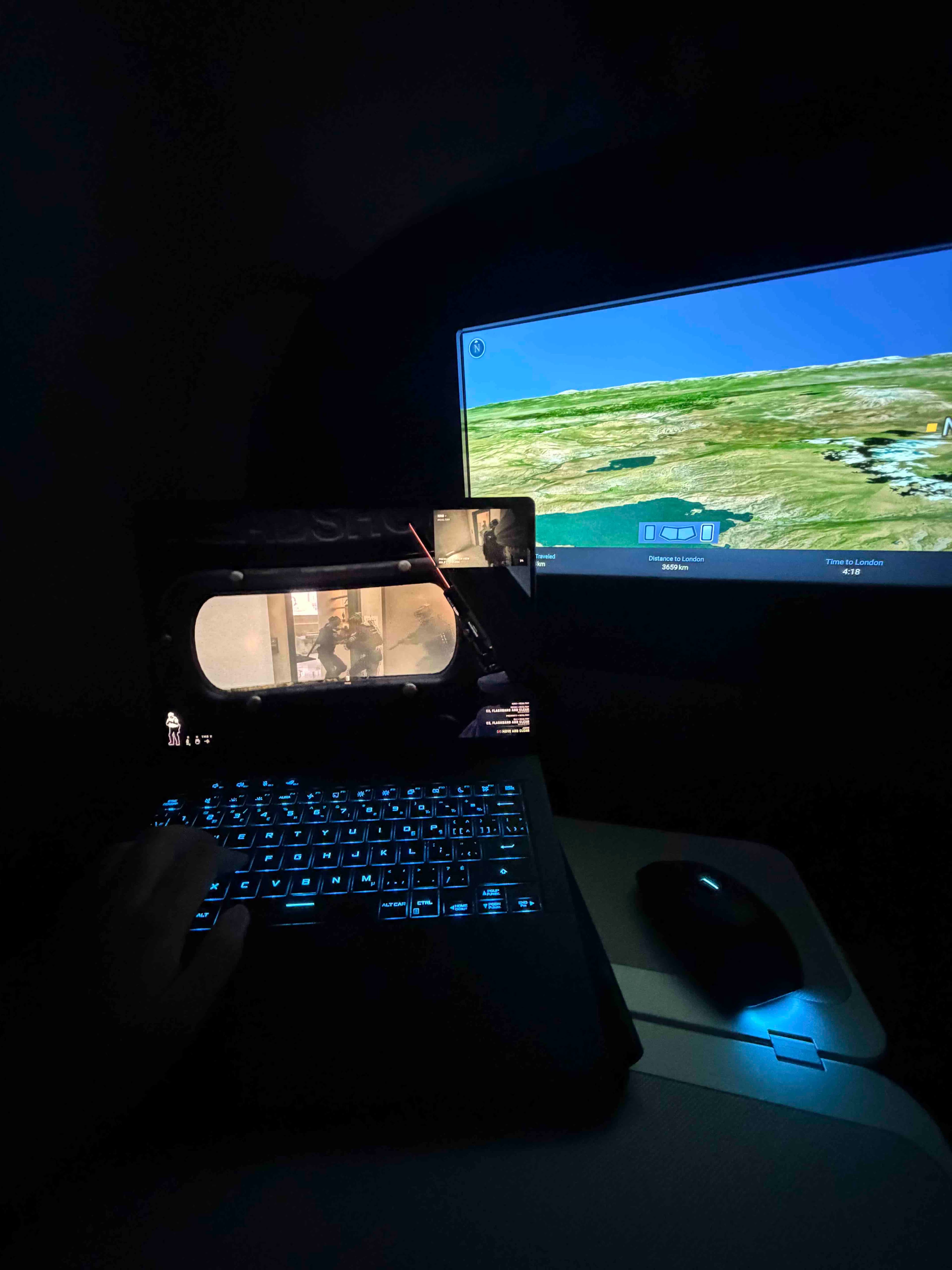
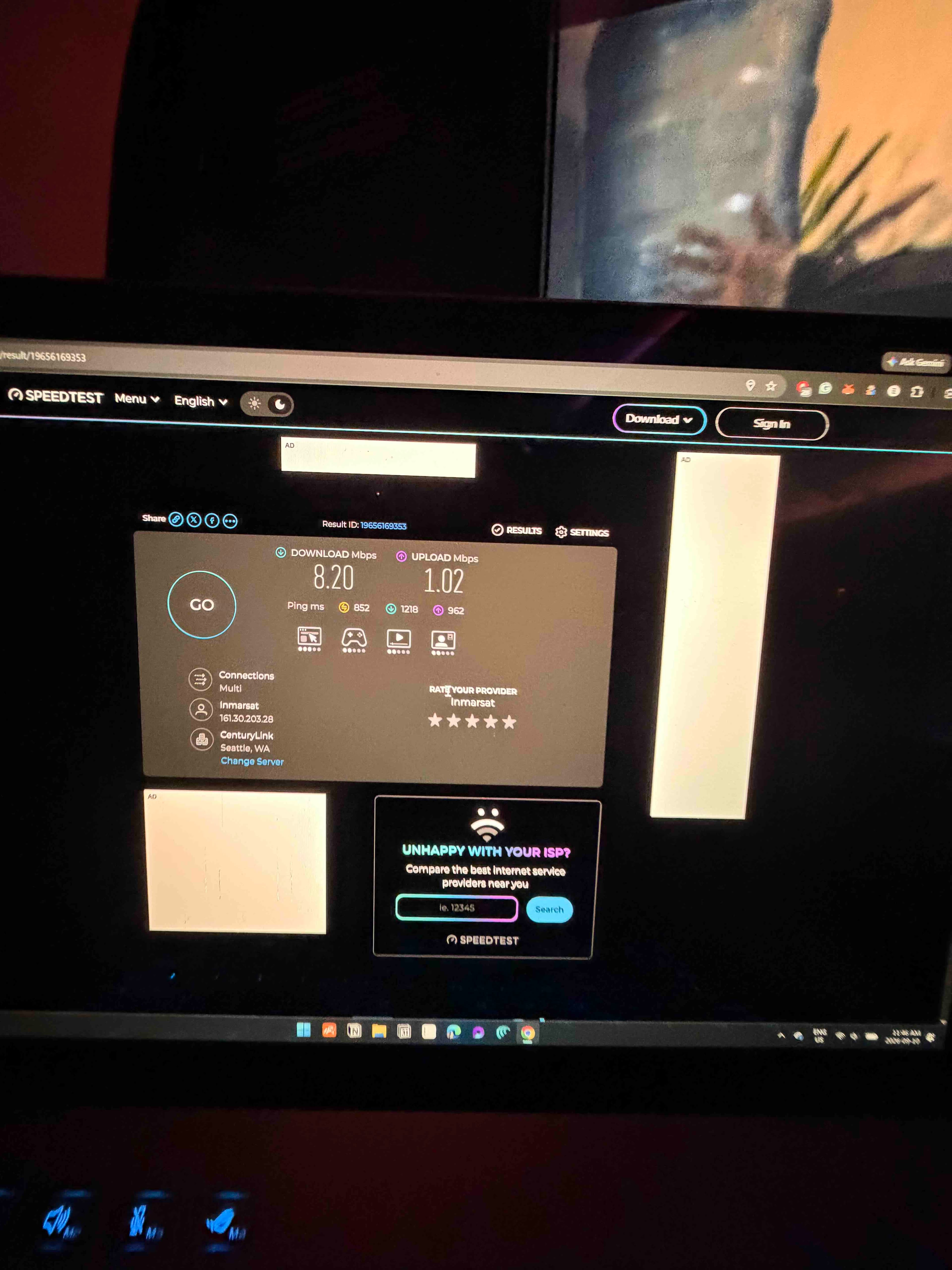
Was lucky enough to point game my way to a business class ticket on Singapore Airlines. Asked about the wifi and was disappointed to hear that Starlink won’t be ready until next year for most of their flights. In 2026, we should not be surfing at sub 10 mbs during a 14 hour flight. Some of us have noobs to own. $SPCX$AC$SINGF
Curious if anyone else on here uses Barebone.ai or some other AI wrapper for their DD? I’ve recently subscribed as it provides access to some things I’m trying to build (congressional trades, Reddit mentions, fundamental/technical indicators), but think it lacks in some areas. Reaching out to see who else uses or what other AI tools are out there that people have been finding helpful.
Tonight at 20:30, the Fed will most likely announce that the interest rate is being raised. Something that Trump absolutely does not want, however not raising it could fuel inflation expectations and thereby cause long-term rates to rise even further. Now that the long-term rate is breaking record after record, there is little other choice. So tonight, people are mainly looking at the tone of Warsch and the dotplot to be able to make an estimate of what follows next.
TFSA/RRSP 15-Year Strategy: Looking for 8-12% Return with 100% Capital Safety ($100K Total) Hi everyone, I'm putting together a 15-year wealth strategy and would love the community's insights. Here is our current allocation: • My TFSA: $30,000 • My RRSP: $20,000 • Spouse's TFSA: $50,000 • Total: $100,000 Our goals: • Horizon: 15 years • Return Target: 8% to 12% annualized • Risk Profile: 100% capital safety (principal must be protected) Given these registered accounts (TFSA/RRSP) and a strict 15-year lock-in, what specific asset classes, instruments, or structures would you recommend to hit that 8–12% target without risking initial capital? Looking forward to your advice!read more
Long-term growth companies. I continue to add to POET, FRMI, and ONDS. I believe these companies are five baggers in the next 36 months. They are disruptors in their field.
I decided to make a change with my portfolio and start focusing more on Canadian stocks instead of U.S. stocks. My current Canadian holdings are TD.TO, RY.TO, DOL, CNR & CNQ.TO. I’m building this portfolio gradually and learning along the way. I’d love to hear what other Canadian investors think about my approach and what Canadian companies you’re investing. 🇨🇦📈 What Canadian stocks are you currently holding or investing ?
What a Game Changer with respect to my investment portfolios! I'm not sure when they implemented it, but I just noticed today that Scotiabank is suddenly offering 100 Free Trades at their iTrade Discount Brokerage to customers who are part of their Ultimate Banking Plan! 😲 It was previously only 5 Free Trades per year. Scotia iTrade was the first to offer a curated list of commission free ETFs about a decade ago. Since then, I have been accumulating ETFs. Probably after BMO Investorline followed National Bank Discount Btokerage in offering commission free trades, Scotiabank probably felt like they had to do something to stop losing customers. 🤔
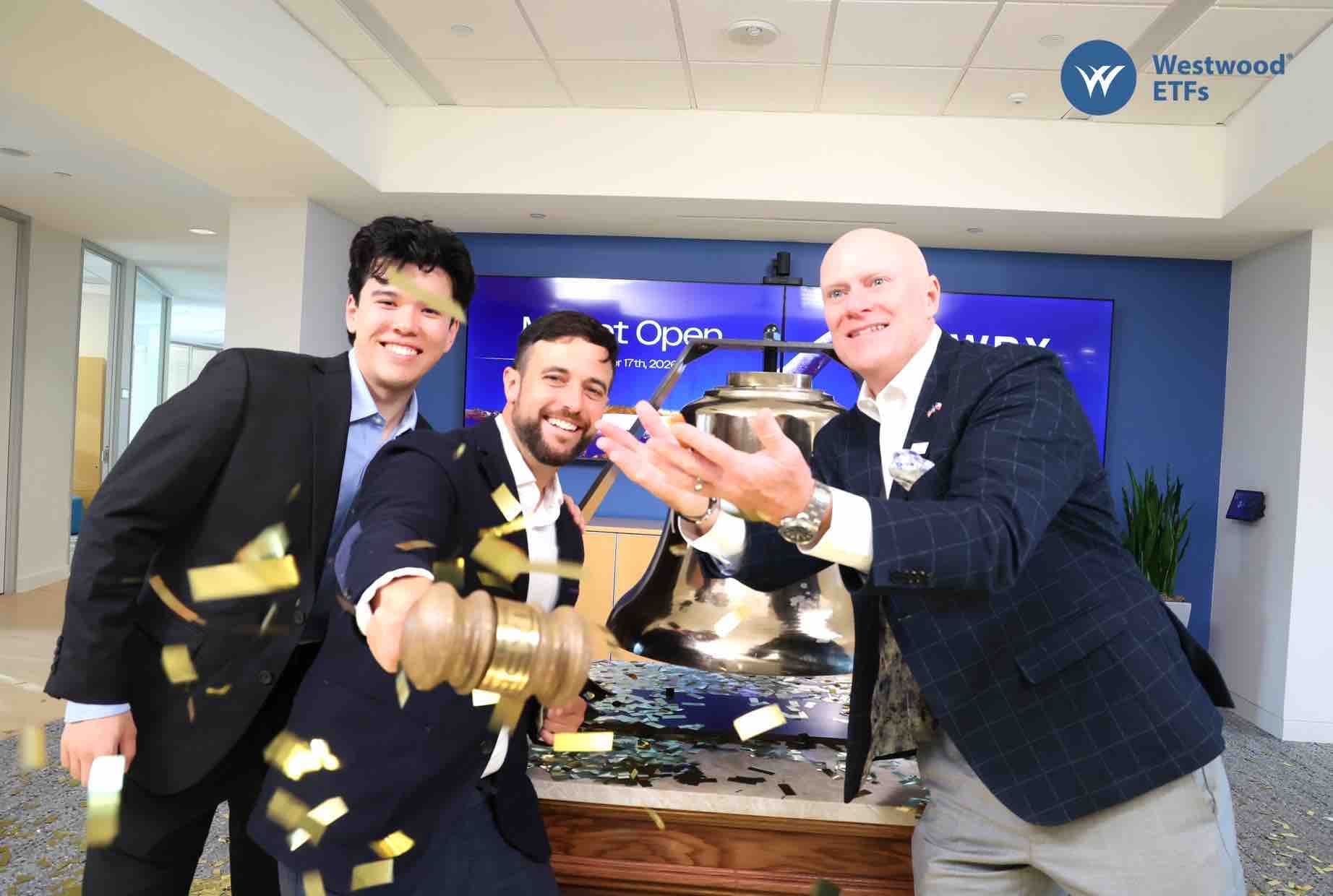
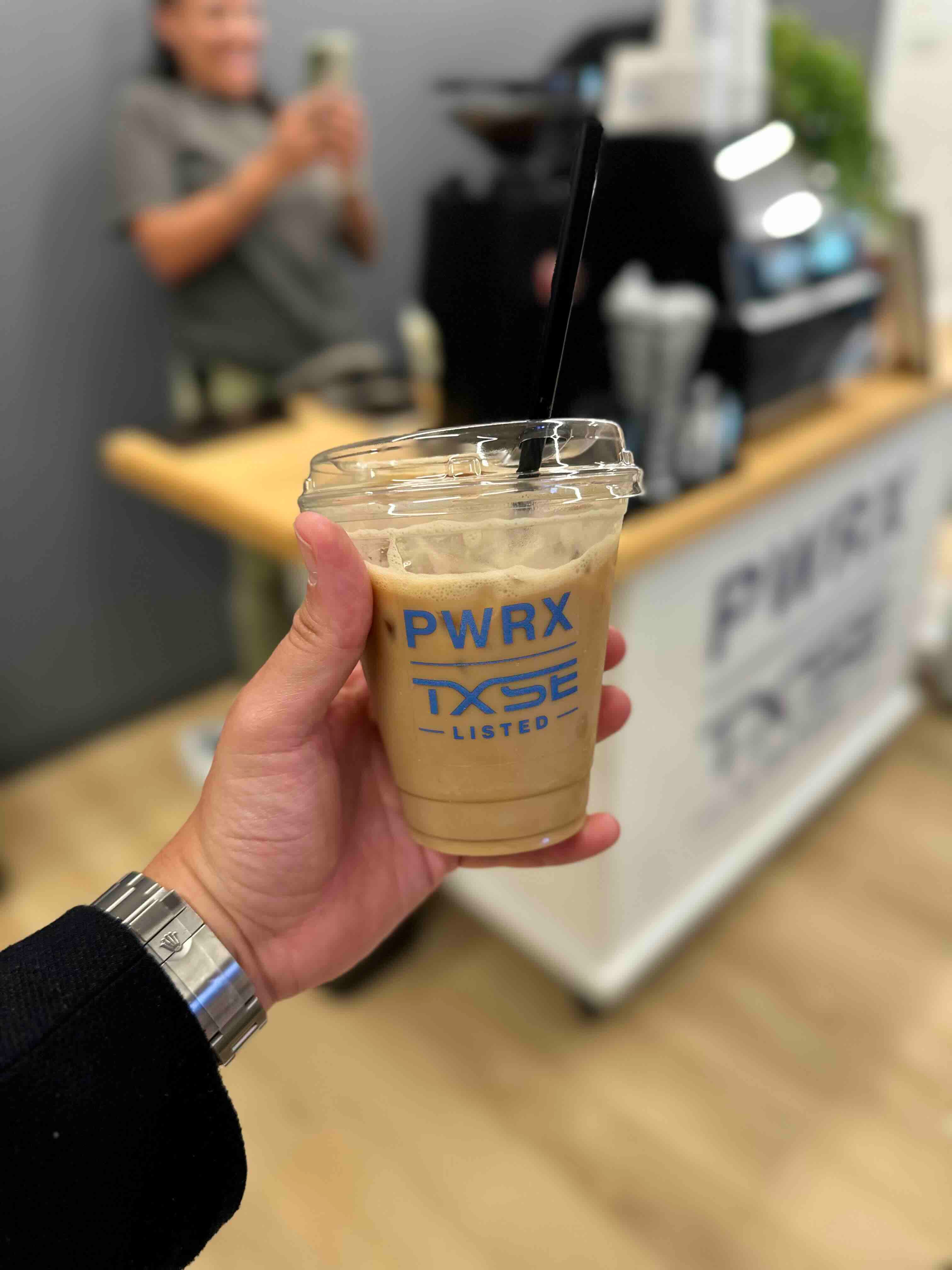
Got to ring the bell in Dallas for the first ever ETF listing on the Texas Stock Exchange 🔔 Westwood launched $PWRX a power & infrastructure ETF focused on the huge growth in energy demand from AI and data centres ⚡️🤖 Very cool to be there for a little bit of market history with @ethanskippen 🙌
https://luma.com/ox6f0wld Compound your health like your wealth. Round two. The first one brought out about thirty of you for an easy 5K along the Toronto waterfront, and @timeminooo is running it back. Free, no-drop, every pace welcome. Whether you're chasing a PB or you're just here for the vibes and the post-run coffee, you belong here. Where to find us Beside Noyaa at The Well. The run An easy 5K down to the waterfront and back. We'll send the full route out beforehand so you know exactly what you're in for. Blossom pacers will lead a few different speeds, so pick the group that suits you and nobody gets dropped. Bag drop — leave your stuff with us at the start. Coffee after — we'll finish at Quantum Coffee and the first round's on us. ☕ No pressure, no cost, no one left behind. Just good people, a good route, and the small daily habits that compound into something bigger over time. The same way we think about investing. Lace up and RSVP. See you there. 💜 read more
🚨 We’re looking for 10 Fidelity ETF Holders + 10 Non-Fidelity ETF Holders for a 45-minute research/interview session with the Fidelity Investments Canada team 🚨 We’re looking for investors to join a 45-minute research session to share their thoughts, experiences, and feedback with the Fidelity Investments Canada team! Fidelity is the creator of a TON of popular ETFs on Blossom like $FEQT$FINN$FBAL$FBTC$FGRO and more! Date: September 24 Time: Between 10:30 AM – 12:00 PM $10 gift card as a thank you for your time! We’re looking for: • People who currently hold Fidelity ETFs • People who do not hold any Fidelity ETFs If you meet any of the criteria and are interested, please fill out the form here and reach out to @jennica if you have any questions! https://docs.google.com/forms/d/e/1FAIpQLSeJYGb9AUmAwVuFZZ4seIcLXJ9ZLZOzuDauE4etp4vX5HtWbA/viewformread more