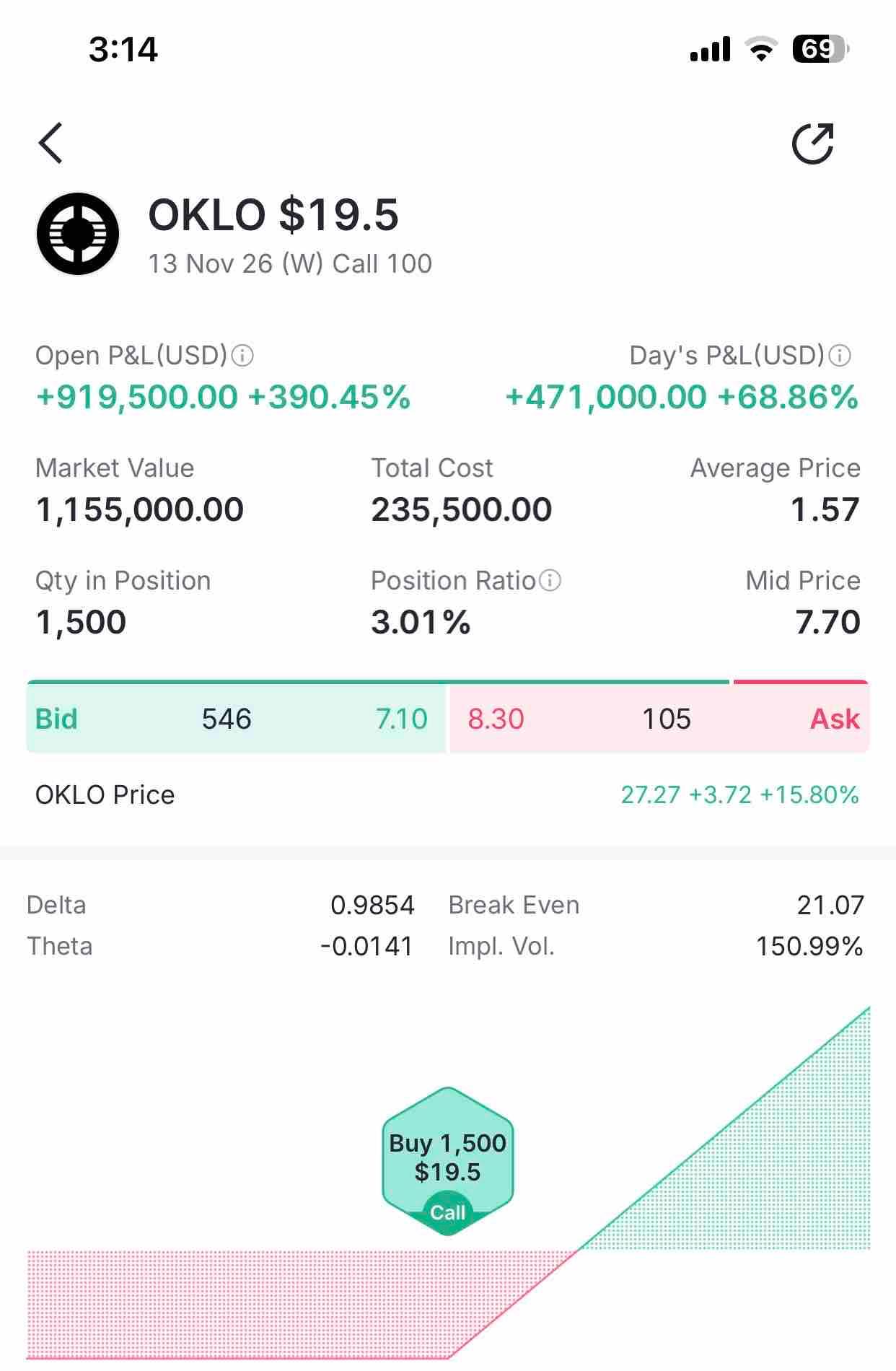
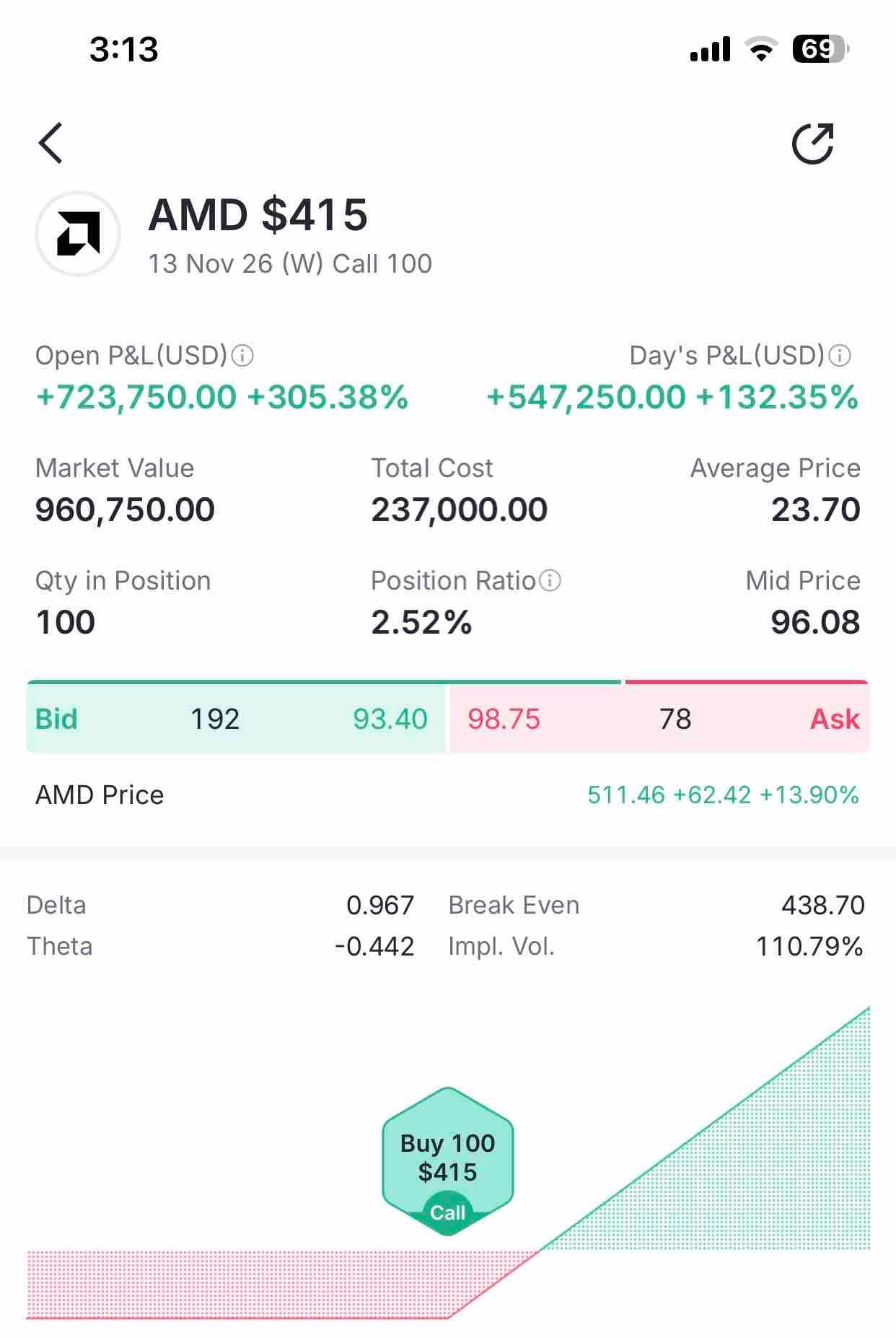
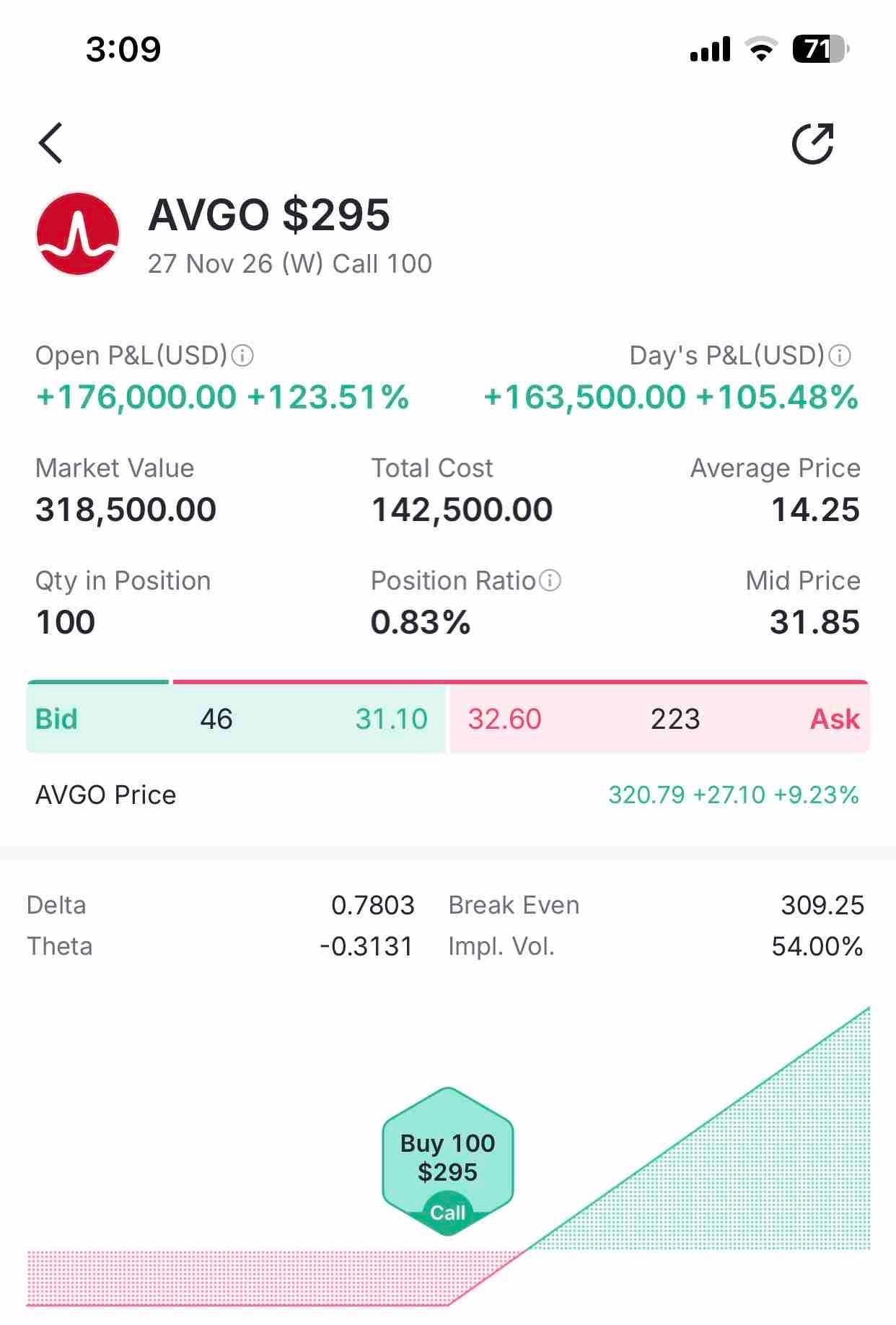
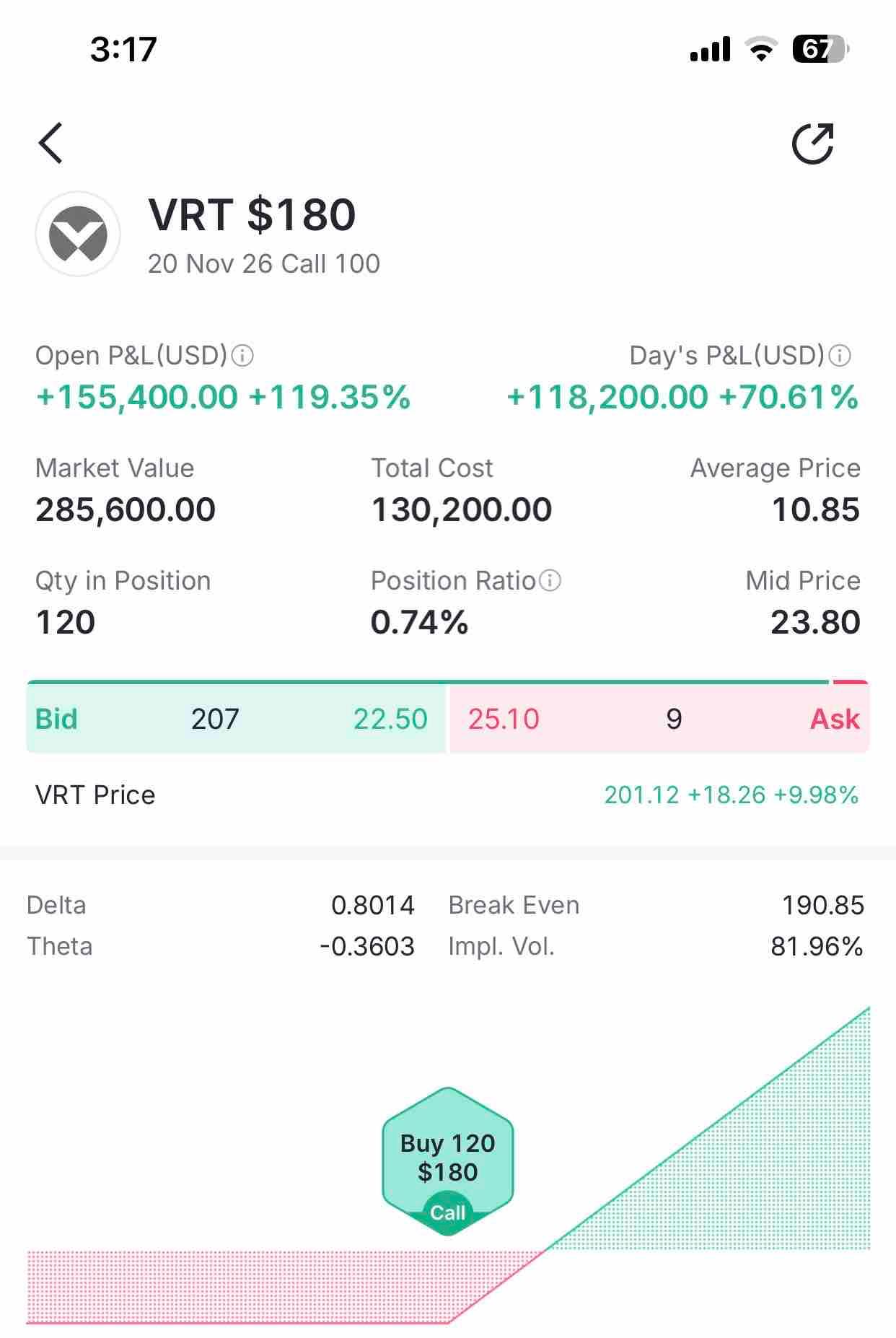
What a way to start the week! I’m still grateful for how everything played out yesterday. Last week, my trading community and I celebrated some really good wins and locked in some solid profits, but we still had several positions running. Some of those remaining positions were in the red, while others were already doing well. I wasn’t in a rush to close everything just because a few trades were showing losses. I went back to my charts, reviewed my entries, checked the key support and resistance levels, and looked at whether my original reasons for taking those trades still made sense. After going through my analysis, I decided to continue holding. It wasn’t about hoping the market would magically turn around. I still liked what I was seeing on the charts, and my reasons for holding those positions were still valid. And yesterday, we got exactly the kind of move we’d been waiting for! 😂🔥 Those positions started moving strongly in my favor, and I knew it was time to take the money off the table. I secured my profits and closed all my remaining active positions rather than get greedy and keep waiting for more. A LITTLE MORE ABOUT THE $OKLO AND $AMD TRADES: $OKLO and $AMD had actually hit our profit targets last week. I told everyone in the trading community to take profits and secure their gains. I wanted to close my own positions too, but before doing that, I decided to sit down and go through the charts one more time. I looked at the price action, trading volume, VWAP, moving averages, RSI, support and resistance levels, and the overall momentum. I also checked the options activity, including options volume, open interest, the Greeks, and how much time we had left before expiration. After reviewing everything, I still liked what I was seeing, so I decided to keep holding my own positions. I actually thought about telling everyone to continue holding too, but I decided against it. Here’s why: even when your analysis makes sense, the market can still move against you. I didn’t want anyone who had already secured a winning trade to give those profits back by continuing to hold. Everyone has different account sizes and risk tolerances, so I was perfectly happy with everyone taking their money off the table. I was comfortable taking that extra risk with my own positions because of what I was seeing in my analysis. Thankfully, the market gave us another big move yesterday. I closed everything, secured what the market gave me, and immediately called my wife. I told her, “We’re going on vacation!” 😂😂 I was happy with what I had made, and I wasn’t going to sit there looking for another trade when I could be enjoying some time away. 📊 HERE ARE THE 13 OPTIONS POSITIONS I CLOSED: $OKLO – $19.50 CALL Expiration: November 13, 2026 Contracts: 1,500 Average Premium: $1.57 Total Position Cost: $235,500 Open Profit Before Closing: +$919,500 (+390.45%) $AMD – $415 CALL Expiration: November 13, 2026 Contracts: 100 Average Premium: $23.70 Total Position Cost: $237,000 Open Profit Before Closing: +$723,750 (+305.38%) $AVGO – $295 CALL Expiration: November 27, 2026 Contracts: 100 Average Premium: $14.25 Total Position Cost: $142,500 Open Profit Before Closing: +$176,000 (+123.51%) $MRVL – $140 CALL Expiration: November 27, 2026 Contracts: 200 Average Premium: $11.20 Total Position Cost: $224,000 Open Profit Before Closing: +$157,000 (+70.09%) $VRT – $180 CALL Expiration: November 20, 2026 Contracts: 120 Average Premium: $10.85 Total Position Cost: $130,200 Open Profit Before Closing: +$155,400 (+119.35%) $APP – $390 CALL Expiration: November 20, 2026 Contracts: 100 Average Premium: $18.70 Total Position Cost: $187,000 Open Profit Before Closing: +$134,500 (+71.93%) $AVGO – $310 CALL Expiration: November 13, 2026 Contracts: 150 Average Premium: $7.10 Total Position Cost: $106,500 Open Profit Before Closing: +$123,750 (+116.20%) $HOOD – $80 CALL Expiration: November 20, 2026 Contracts: 500 Average Premium: $4.45 Total Position Cost: $222,500 Open Profit Before Closing: +$123,750 (+55.62%) $PLTR – $155 CALL Expiration: November 27, 2026 Contracts: 150 Average Premium: $9.45 Total Position Cost: $141,750 Open Profit Before Closing: +$125,625 (+88.62%) $CRDO – $115 CALL Expiration: November 20, 2026 Contracts: 125 Average Premium: $12.20 Total Position Cost: $152,500 Open Profit Before Closing: +$122,500 (+80.33%) $INTC – $55 CALL Expiration: December 4, 2026 Contracts: 500 Average Premium: $4.45 Total Position Cost: $222,500 Open Profit Before Closing: +$115,000 (+51.69%) $MU – $672.50 CALL Expiration: November 13, 2026 Contracts: 25 Average Premium: $44.30 Total Position Cost: $110,750 Open Profit Before Closing: +$76,125 (+68.74%) $CSCO – $95 CALL Expiration: December 11, 2026 Contracts: 200 Average Premium: $6.10 Total Position Cost: $122,000 Open Profit Before Closing: +$44,500 (+36.48%) TOTAL P&L ON CLOSED POSITIONS: +$2,997,400 🔥🔥🔥 All 13 positions are now closed. I’m officially stepping away from the market for a little while. It’s time for a vacation, some quality time with my wife and loved ones, and a chance to get some much-needed rest. No staring at charts all day, no watching every little market move, and definitely no rushing into new trades. Lol 😂😂 I’ve enjoyed this run, and I’m thankful for every opportunity along the way. Now it’s time to relax, recharge, and enjoy a little break. I’ll be back when I’m ready. Above everything, GOD IS GOOD! Thank You, Lord, for Your grace, protection, wisdom, and blessings. Through the wins and the difficult moments, You have been faithful. I know none of this would be possible without Your grace. ALL THE GLORY BELONGS TO YOU! 🙏❤️ read more
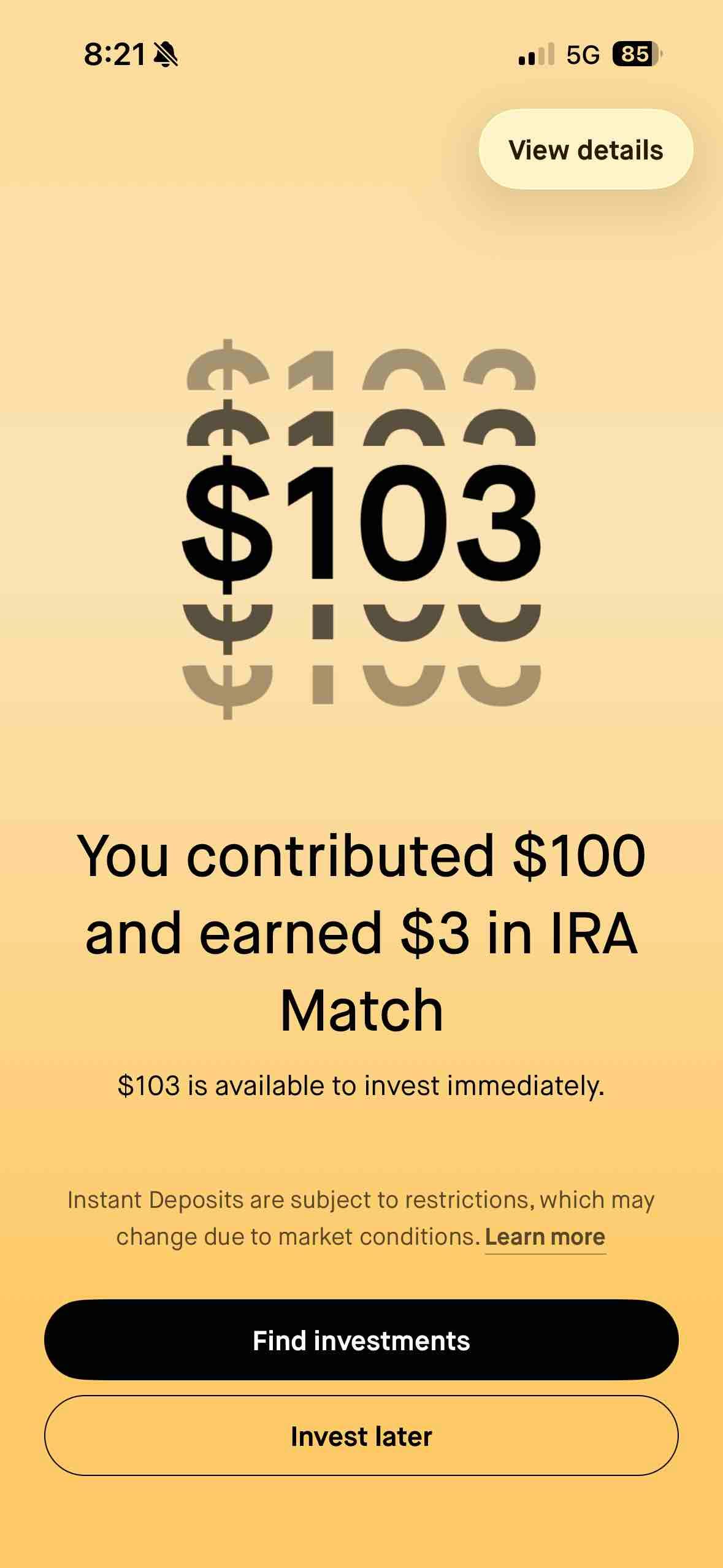
Putting another $190 to work this week! Roth IRA – $100 deposited ($103 with the extra $3 Robinhood Gold match!) * $53 – $VOO * $50 – $SPCX Brokerage – $90 deposited * $50 – $SOFI * $20 – $AMZN * $20 – $BE Another payday, another opportunity to stack assets and keep building. Small deposits add up over time. Enjoying vacation in Tennessee ☀️☀️☀️read more
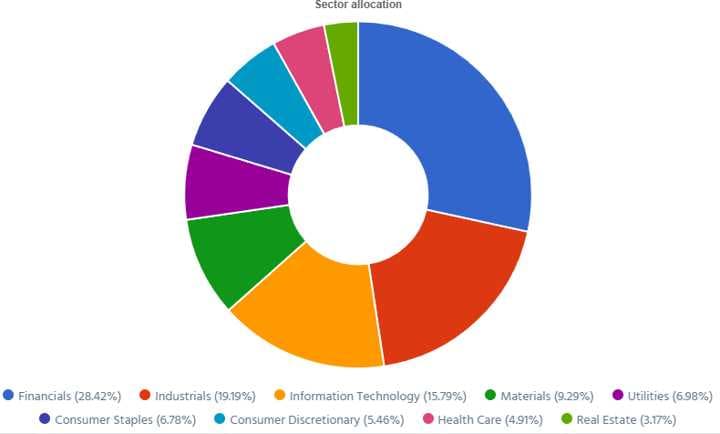
This month I folded my Canadian dividend ETFs into one broad-market index ETF. Fewer lines, same exposure, much less to babysit. At some point “diversified” had quietly become “duplicated” — three funds holding the same big banks isn’t diversification, it’s clutter.
My portfolio rule for this chapter of life: if it needs daily attention, it's too complicated. Real estate was about 70% of our net worth; the target is 50%, with sale proceeds going into financial assets — not recycled into more property. The whole series is on my profile — tap my name.
A little backstory. The 4% rule was introduced by financial planner Bill Bengen back in 1994. The idea is that you can withdraw 4% of your investment portfolio in your first year of retirement, then increase that dollar amount every year to keep up with inflation. But in 2025, Bengen revisited his research and found that with a more diversified portfolio, the historical starting withdrawal rate could actually be closer to 4.7%. So what does that mean for your FIRE number? Let's say you spend $40K a year. Using the traditional 4% rule, you'd need $1 million invested. Using 4.7%, you'd need approximately $851K. That's almost $150K less. Which is a pretty big difference! BUT before you start lowering your retirement goals, there's something important to consider. This research looks at historical US market data over a 30 year retirement. If you're planning to retire in your 30s or 40s, your money could need to last 40, 50 or even 60 years. And yes, inflation is still accounted for. You're just starting with a higher withdrawal amount and increasing that dollar amount with inflation each year. Personally, I think this is a really interesting reminder that the 4% rule isn't necessarily a one size fits all approach. So I'm curious, would you feel comfortable using 4.7% to calculate your FIRE number, or are you sticking with the traditional 4%?read more
Happy Friday and Halloween weekend Blossom !! 🎃 I finally did it! I reached 1,000 shares of XEQT in my TFSA! BUT I''ve officially run out of money to keep buying the dip I may not add extra/surplus funds until next year and just focus on my regular DCA now. Around this time last year, I had roughly 400 shares. Now I'm sitting at 1,000. It really puts things into perspective when you look at what a year of consistently showing up, contributing, and staying invested can do. A lot can change in a year. Keep pushing, even when progress feels slow. You might surprise yourself with how far you've come! My goal remains to have $75K in my TFSA by the end of the year! I'm really hoping the markets give us a little green to help make that happen! 💚🥹 WHO BOUGHT THE DIP? How are you guys feeling about the market Happy Halloween, happy investing and stay safe!! 🎃read more
I recently had dinner with very good friends we’ve known since we were teenagers. They were sincerely interested in how early retirement was going. I told them that when I was working and looking out the window of my office or a boardroom, I used to think about how much I wanted to play golf. I was once a promising golfer, but while working, I rarely had the chance to play more than a couple of rounds each summer. Then, when I finally stopped working and had the time and opportunity to play much more golf, I realized I no longer had the desire to spend six hours on a golf course three times a week. That is one of the surprises of retirement: what you think you want while you are working may not be what you actually want once your time is fully your own. I asked our friends if they felt prepared and ready to retire. As much as they wanted to retire, they didn’t have the faintest clue how to retire or when they could realistically do it. So I shared with them the framework I used for preparing to retire well. --- 1. Expenses Start with three years of detailed and accurate expense tracking, categorized into: - Absolute core living expenses - Discretionary lifestyle expenses Retirement math is frankly impossible without knowing what your life actually costs. Many people who want to “someday” retire cannot tell you, with any real accuracy, what their monthly and annual living expenses are. Tracking expenses by category is a game changer. It builds financial discipline. More importantly, it creates control, certainty, and confidence. Once you know your numbers, the math becomes much easier, and much more reliable. --- 2. Retirement savings A useful starting point is to multiply your annual expenses by 25. Without getting into a debate about the 4% rule, this is simply a baseline — a rule of thumb to understand the scale of retirement savings required. For example, if your monthly expenses are $5,000, that equals $60,000 per year. Using the 25x rule: $1.5 million becomes the initial gross baseline retirement savings target. If your expenses are $10,000 per month, or $120,000 per year, then the 25x baseline would be $3 million. The point is not that the number is perfect. The point is that it gives you a starting point. --- 3. Cash flow From there, retirement becomes a cash-flow exercise. Examine every available, sustainable, and reliable source of cash flow, including: - Public pensions - Company pensions - Part-time work - Consulting - Rental income - Other recurring income For every dollar of reliable annual cash flow, you can reduce the required savings target by roughly 25x that amount. For example, if a couple has $40,000 per year in reliable pension income, that may reduce the savings target by approximately $1,000,000. So if their original baseline target was $3 million, that reliable pension income may reduce the net savings target to approximately $2 million. Again, this is not meant to be a perfect formula. It is a practical way to understand scale. --- 4. Planning Once you understand your expenses, savings target, and cash-flow sources, the next step is to turn it into a detailed budget, retirement plan, investment plan, and financial plan. You can do this by hiring a qualified financial planner or by building your own plan using software. But either way, you need a plan. You cannot successfully build a house on time and on budget without detailed construction, costing, and project plans. The same is true for retirement. I have managed billion-dollar projects, billions in operating budgets, large corporate clients, and large businesses employing thousands of people. In every case, planning was the key to success. Retirement is no different. Plan to succeed, or fail to plan. It really is that simple. --- We log our expenses daily. I track our investments weekly. My wife and I reconcile our credit card and cash expenses monthly. We update our retirement plan quarterly and our budget annually. As a result, we have as much certainty, control, and confidence as one can reasonably have. Discipline is what makes the difference between hoping for the best outcome and knowing that the best possible outcome is highly probable. The above we started in 1997 with the intention of freedom 55. We achieved our goal 15 years later on paper, but didn’t pull the trigger until 25 years later when access to professional financial planning software became available to confirm success rate and detailed multi-variable planning. Suffice it to say, the software confirmed 100% success rate and multiple factor of safety.read more
OMG guys!!! I started 2026 hoping to reach $40K in my Wealthsimple TFSA. Then I changed my goal to $50K, and eventually set a third goal of $75K. AND HERE WE ARE!!! I just pinned the post I wrote 10 months ago about my first goal, and looking back, I can't believe how much has happened since then. So, what did I do to get here? - Stayed consistent with my DCA: I kept contributing through market fluctuations and didn't let red days scare me away. In fact, I put quite a bit of additional money to work during market dips. - Tracked my surplus:After covering ALL my expenses and regular investments, Any extra money became an opportunity to invest. - Took calculated risks: ETFs are still the foundation of my portfolio, but I experimented with a few individual stocks and adjusted my strategy along the way. - Kept learning and connecting: I read, asked questions, talked investing with friends and family, and learned so much from this community. But here's what you didn' see behind those milestones. This year came with a layoff, a career change, family medical emergencies, and some pretty difficult days mentally. I also moved back in with family last month and now commute A LOT for work. There were definitely moments when I questioned whether I had the energy to keep going. But I kept showing up, made time for the people I love, and reminded myself why I started this journey in the first place. I also gave myself permission to pause investing when life needed my attention. PS. You don't have to do everything I've done. You don't have to take the same risks, invest every spare dollar or hit every milestone on schedule. It's okay to pause, change your strategy or simply focus on keeping afloat. Whatever your year has looked like, give yourself credit. There's a community here that's supporting you, and cheering you on!! I still have a few DCA contributions left this year, and $75K might keep going up or down tomorrow. BUT I've gotten here once, I can get here again!! Next goal: 100K in my TFSA for 2027! WHAT A YEAR. Today, I'm celebrating this one. 🥂read more
Cost basis is $24.28. Up +$46.2% on this holding. Next dividend in December should be around $680. That will buy me another 19 shares of $SCHD. The growth cycle continues.
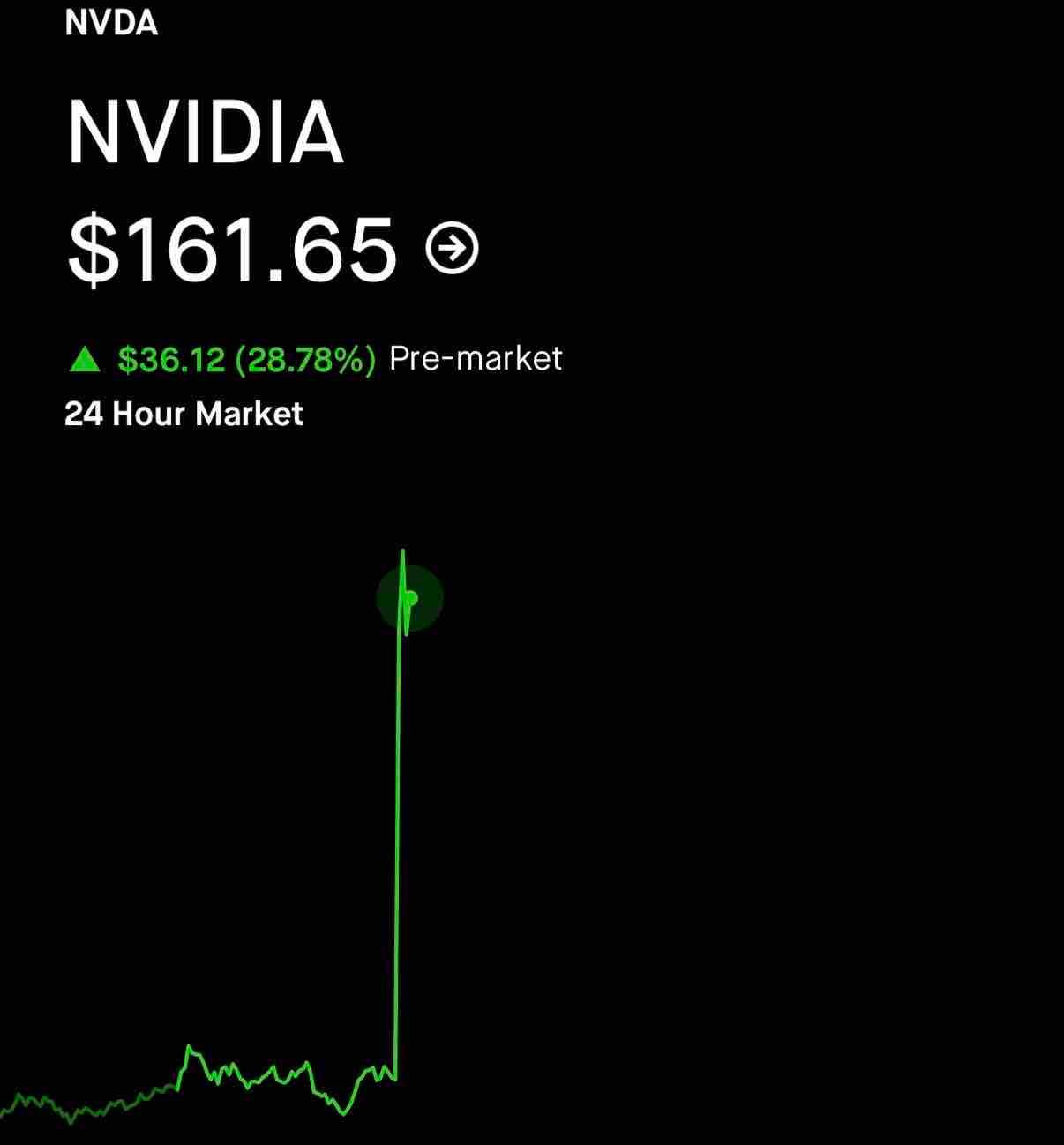
Right before Close last Friday someone bought $3,400,000 worth of $NVDA 160 calls which expire today. This morning Jensen Huang was reinstated as Nvidia CEO. After a rough (9,000%) gain these contracts will be worth beyond $312,000,000. Clear levels of insider trading is happening…
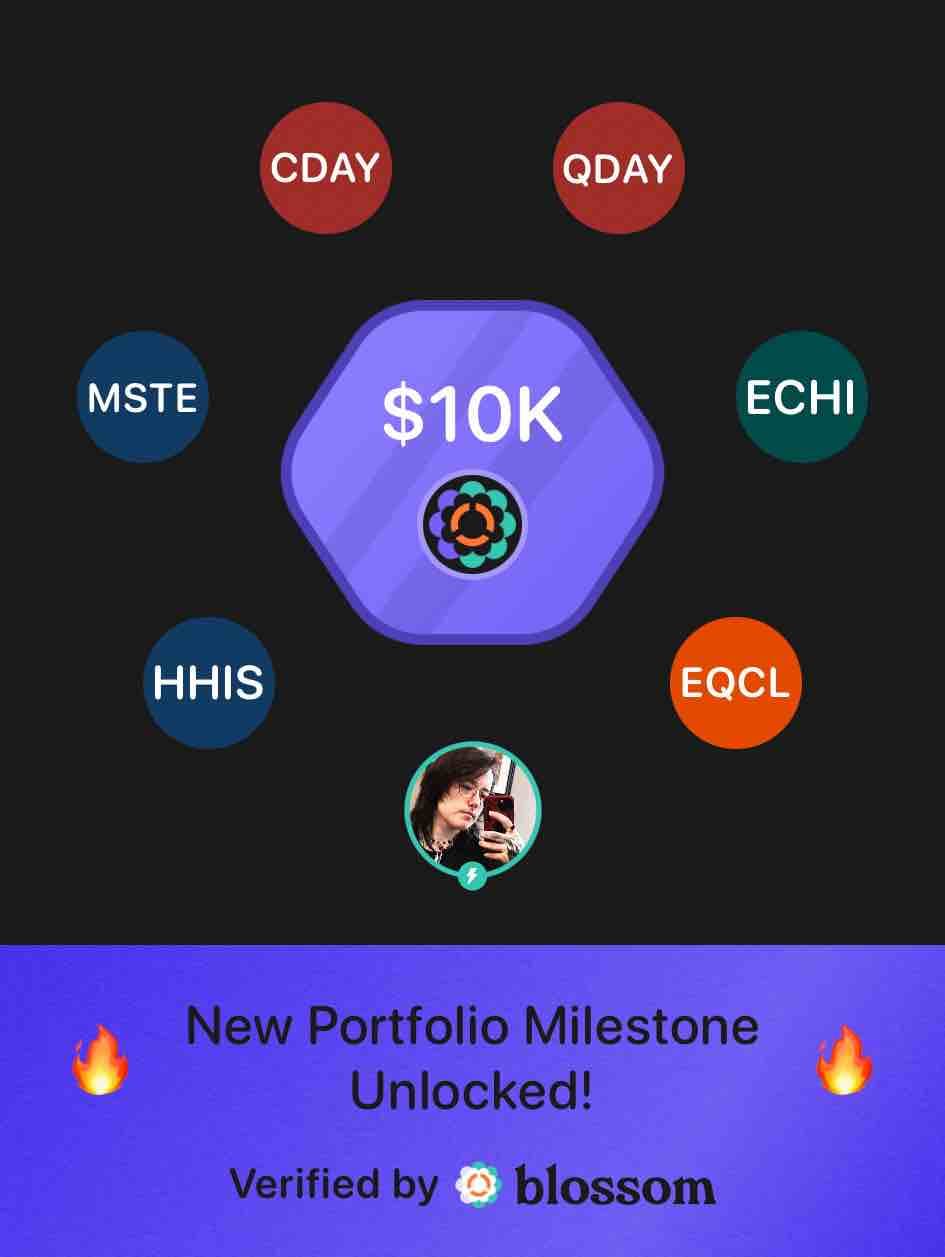
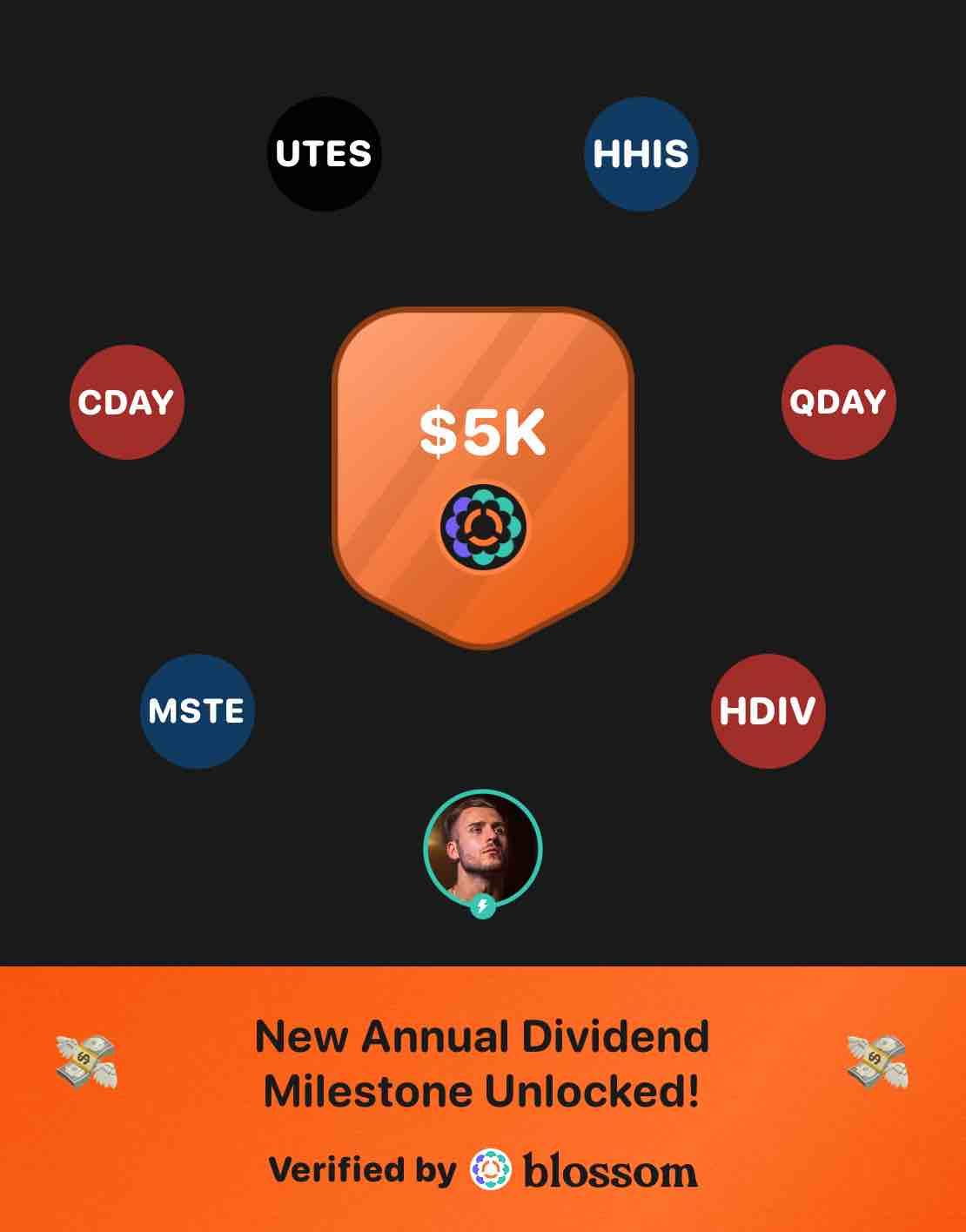
I was able to invest quite a bit. At least for me during this crash. Around $2000. That got my across the $5k dividend mark. My portfolio currently is: $MSTE$BDAY$HHIS$HDIV$CDAY$QDAY$UTES$SDAY
I’ve had so much fun posting on this page and platform. I can’t express enough how much such fast growth means to me. Thank you all for enjoying my content. I can’t wait to see where the future takes us! 🥳🤯 Shoutout to everyone that has supported me on my journey so far. 🫱🏻🫲🏼🔥 Much more to come! 📈
Maya and I put my 9–5 salary on one side of a whiteboard and the income we’re building on the other. I want to be able to quit by 30. At the six-month check-in, the rental went from $325/month to $250. YouTube went from $0 to $621/month. It’d be easy to make the update look better by only showing the second number lol. If you’re trying to make work optional, what’s the first bill you’d want your investments to cover?
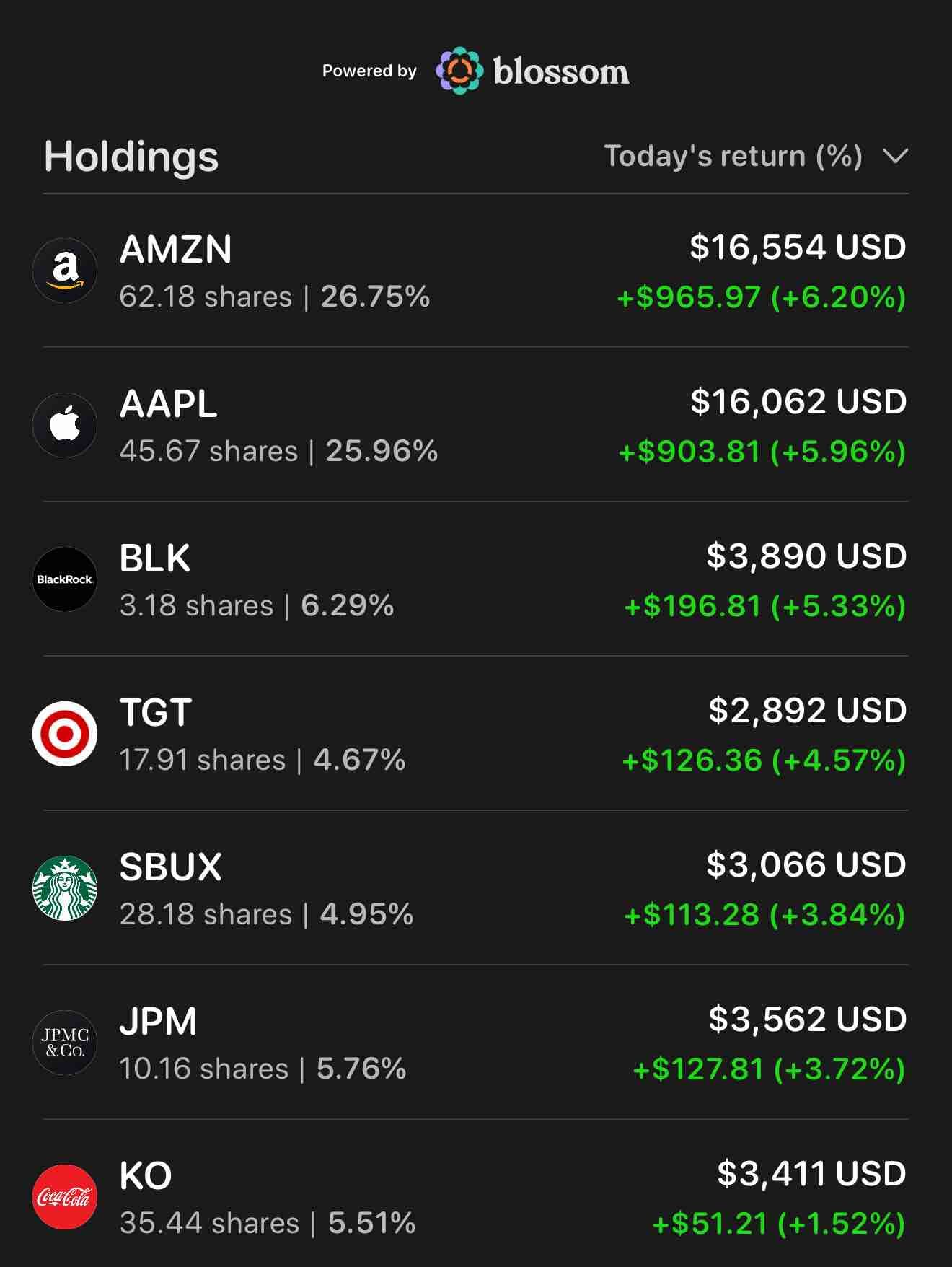
I couldn’t be more thankful for all of the love and support from my fellow blossomers. We are a tight knit community with amazing people. Thank you all for always being so wholesome, Helpful, and Kind. 🙏🏼🥹 Shout out to my amazing high conviction companies who have allowed me to grow my portfolio so quickly. $AAPL$MA$AMZN$TSLA$PLTR$JPM$NVDA$SBUX$TGT$BLK$KO
The days not over yet but I’ve never seen this type of growth in a single day out of the stocks I hold. Pretty cool to see! 🔥 $AMZN$AAPL$BLK$TGT$SBUX$JPM
In 2017, I received $108,760.02 in a locked retirement account. Today it's worth $340,113.76: That's a total return of 212.72% over 108 months, or 13.51% a year. No capital added, ever. Now the part I don't hide: Vanguard S&P 500 Index ETF (VFV): 16.89% a year. iShares S&P/TSX 60 ETF (XIU): 13.1% a year. My benchmark: 14.995% a year. I'm 1.485% a year behind my benchmark. I don't report this portfolio to brag or to suggest you follow my lead. I share it to show how I manage my own money, with the good and the bad that come every month. Do you track your returns against a benchmark? Figures as of October 8, 2026.read more
A little milestone worth celebrating! The Moementum Finance Spotify Podcast has officially reached 5,000 plays and downloads on Spotify! 🚀 What started as a passion for sharing financial knowledge, investing insights, and helping Canadians build wealth is growing one conversation at a time featuring many amazing Blossomers. A huge thank you to everyone who has listened, supported, shared, and been part of this journey. Your support means a lot! ❤️ Here's to many more conversations and milestones ahead! 🥂 🎧 Listen on Spotify: https://open.spotify.com/show/6Ju5r3cXUOSNtFlOzc9ovV
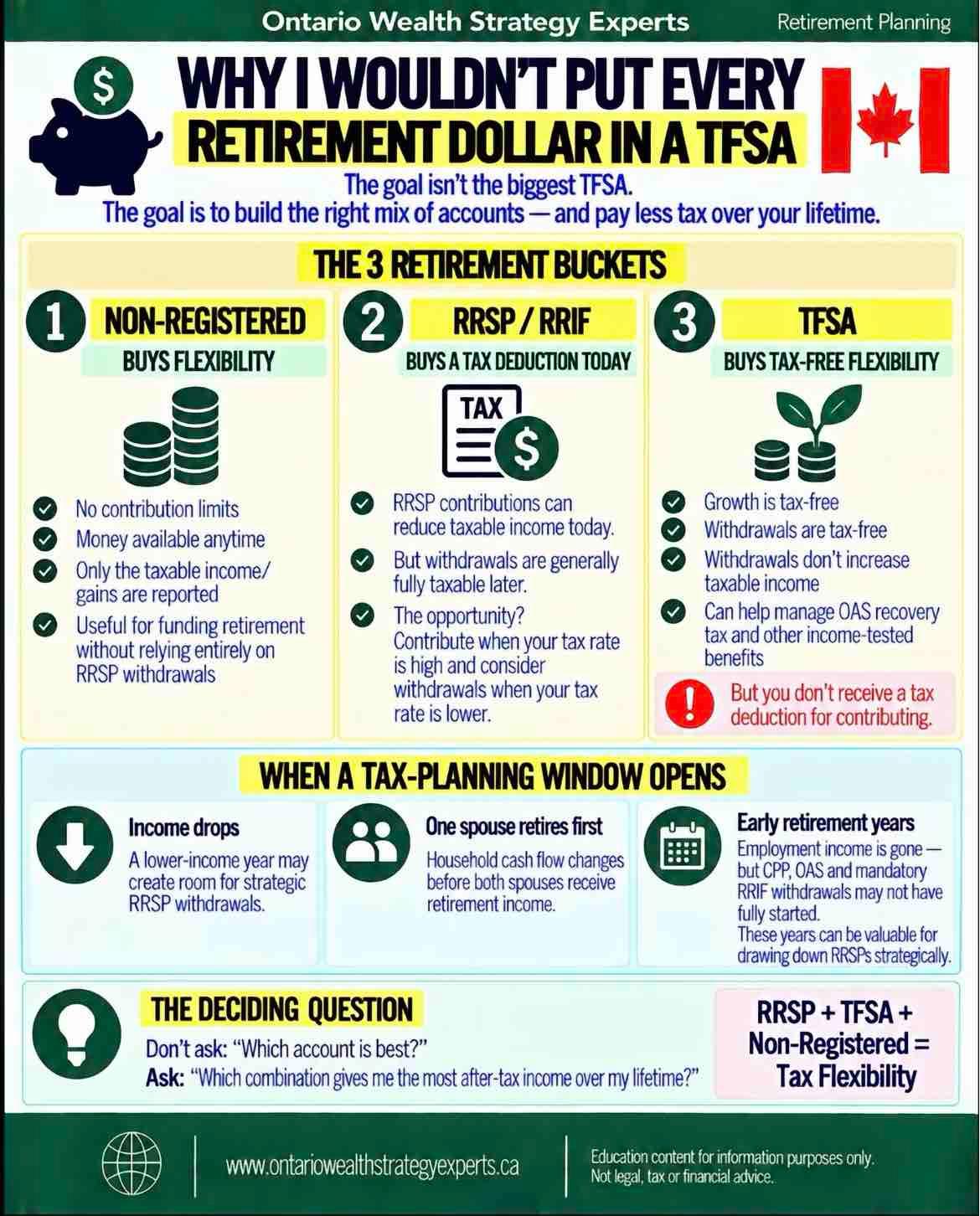
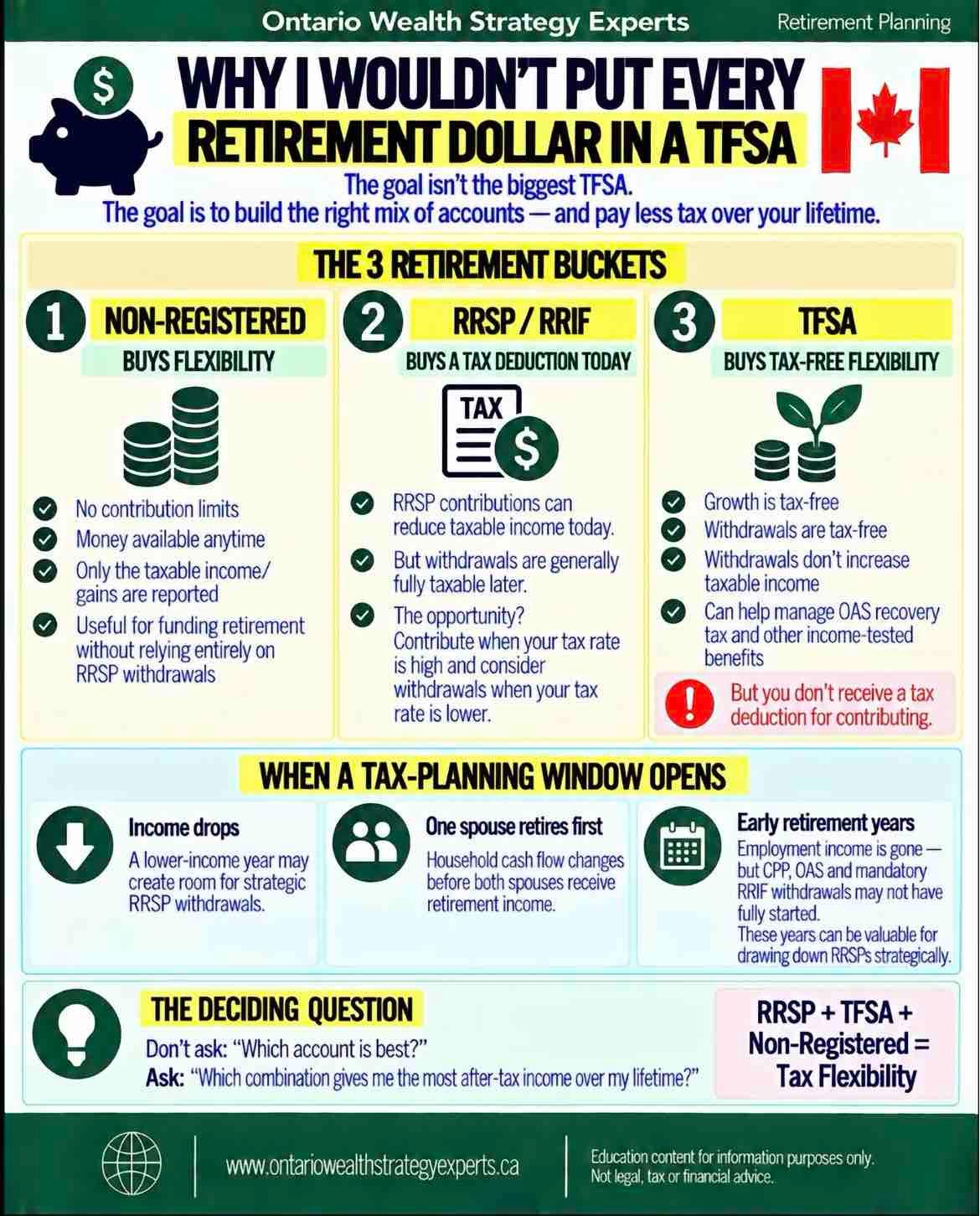
— Part 1: — We all love the TFSA, tax-free growth and zero impact on OAS clawbacks are hard to beat. If you can max it out, you definitely should! The catch? You can't actually put every retirement dollar into a TFSA, and trying to rely on it alone means leaving serious tax savings on the table. Here is why smart investors build all 3 retirement buckets instead of just one (please see the attached image): 1. TFSA (Tax-Free Flexibility & OAS Shield) Your lifetime TFSA limit is capped ($109,000 total as of 2026). That's great, but usually not enough to fund a 30-year retirement by itself. Use it for high-growth equity ETFs like $XEQT, $VEQT, or $VFV so your biggest gains stay 100% tax-free, and pull from it in retirement without triggering OAS clawbacks. 2. RRSP / RRIF (The Tax-Bracket Win) If you earn a high income today (paying ~40%+ tax), contributing to an RRSP gets you a huge tax refund right now. When you withdraw that money in retirement in a ~20% tax bracket, you pocket the difference. It's also the best home for US-listed ETFs like $SCHD, $VOO, or $QQQM since they skip the 15% US dividend withholding tax here. 3. Non-Registered (No Limits & Cheap Taxes) Once your TFSA and RRSP are full, this bucket has zero contribution caps. You only pay tax when you sell for a capital gain (at half your normal tax rate), and Canadian dividend funds like $VDY, $XEI, or $ZEB get the generous Canadian dividend tax credit. Good to know: 1. Early retirement (ages 60–65) is a massive tax sweet spot. Once your paycheque stops, but before CPP, OAS, and mandatory RRIF minimums start, you can draw down your RRSP at a super low tax rate. 2. At age 71, the government forces you to convert your RRSP into a RRIF and withdraw a minimum percentage every year, starting at 5.28% and climbing past 8.5% by age 80. If your RRSP gets too big, those forced withdrawals alone can push your income over the 2026 OAS clawback threshold ($95,323), costing you 15 cents of OAS for every dollar above it! Coming up in Part 2: Which account should you actually tap first when you retire, and at what age? Are you team "TFSA first" or "RRSP for the tax refund" right now? — This is for informational and educational purposes only. read more
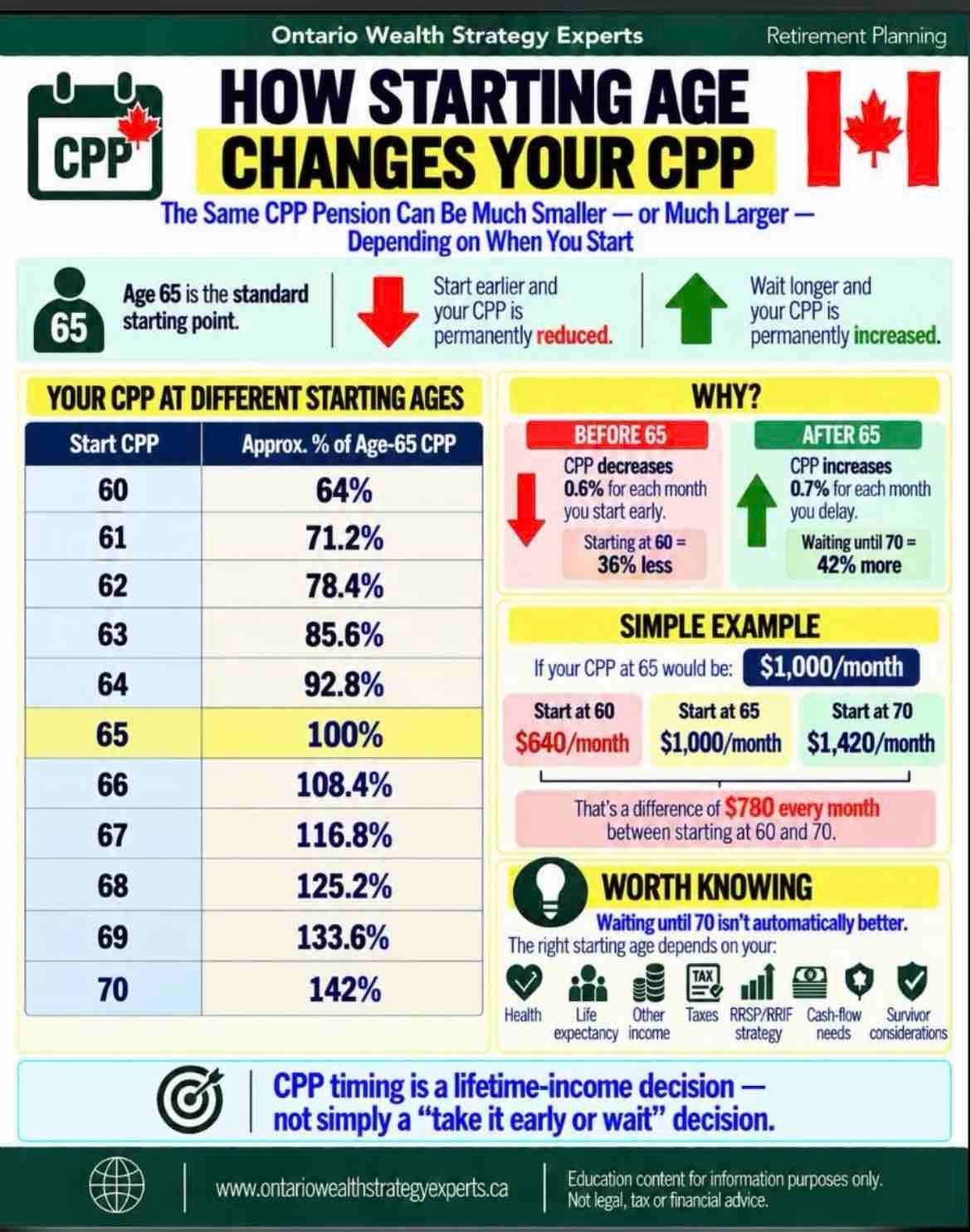
— When you start taking your Canada Pension Plan (CPP) can make a huge difference to your monthly retirement paycheque for the rest of your life. Age 65 is the standard starting point (100% of your pension). If your CPP at 65 is $1,000/month, starting early at age 60 drops it permanently to $640/month. Waiting until age 70 bumps it up to $1,420/month, a $780/month difference for life! Good to know: 1. The penalty and bonus are not equal: Starting early cuts your CPP by 0.6% per month (36% less at age 60), while waiting past 65 boosts it by 0.7% per month (42% more at age 70), plus the higher payout grows with inflation every year. 2. Waiting until 70 is not automatically best for everyone: Your health, family life expectancy, tax bracket, and whether you plan to draw down your RRSP early all play a big role in picking the smartest start date. 3. Many Canadians bridge the gap from age 60 to 70 by drawing down their RRSPs early and letting their investments keep compounding in broad, low-cost ETFs like $XEQT, $XGRO, or $VBAL, or dividend funds like $VDY, $XDIV, and $XEI. At what age are you planning to start your CPP, 60, 65, or 70? — This is for informational and educational purposes only. read more
— Part 2: (please see part 1 first, previous post) — Spending the 3 Buckets In the last post, we looked at why building all 3 retirement buckets (TFSA, RRSP, and Non-Registered) beats relying on a TFSA alone. (Please see the attached image) Knowing which account to spend first when you retire so you pay less tax and keep 100% of your OAS. Here is the age-by-age drawdown game plan: 1. Ages 55–64 (The "RRSP Meltdown" Window) - Draw from: RRSP + Non-Registered first; leave your TFSA untouched. - Why: With no paycheque and no CPP/OAS yet, your tax bracket is super low. Tapping your RRSP early lets you pay ~15%–20% tax instead of 40%+ later, and shrinks your balance before mandatory RRIF rules hit. (Great time to trim balanced or income funds like $ZBAL or $VRIF in your RRSP). 2. Ages 65–70 (The OAS Protection Window) - Draw from: RRSP/RRIF + Non-Registered up to just below the OAS clawback line (~$95,323 in 2026), then top up with your TFSA. - Why: Need $15,000 for a trip or a new roof? Pulling it from your TFSA adds $0 to your taxable income, keeping your OAS completely safe. 3. Age 71+ (Mandatory RRIF Years) - Draw from: Mandatory RRIF minimum first, supplemented by TFSA and Non-Registered. - Why: Because you already trimmed your RRSP in your 60s, your forced annual withdrawals stay manageable and your tax bill stays low. Good to know: 1. If you convert your RRSP to a RRIF at age 65 (even just partially), your withdrawals qualify for the $2,000 Pension Income Amount tax credit, and you can split up to 50% of that RRIF income with your spouse to cut your tax bill even further! 2. Delaying your OAS from age 65 to 70 permanently boosts your monthly payments by 36% (0.6% per month), which makes bridging ages 65–70 with your RRSP and Non-Registered accounts (like $VDY or $XEI) an even stronger move. Which account do you plan on tapping first when you retire? — This is for informational and educational purposes only. read more